Sleep Apnea and High Blood Pressure Signs to Watch For

Waking up tired can feel normal, like it’s just part of adult life. Still, when sleep apnea high blood pressure show up together, the “normal” fatigue story can hide a real heart risk. Sleep apnea can stress your body all night, even while you’re asleep. High blood pressure can stay silent for years. Put them together, and it’s like driving with the parking brake on, the engine works harder, wear builds faster, and you may Read more

Total Cholesterol To HDL Ratio Explained And What To Aim For

A cholesterol report can feel like a tiny scorecard for your future. One number looks fine, another looks odd, and suddenly you’re doing mental math at the kitchen table. The cholesterol hdl ratio (also called the total cholesterol to HDL ratio) turns several lipid numbers into one quick snapshot. It doesn’t replace LDL or non-HDL targets, but it can help you spot when “overall cholesterol” is high compared with your protective HDL. Let’s break down Read more

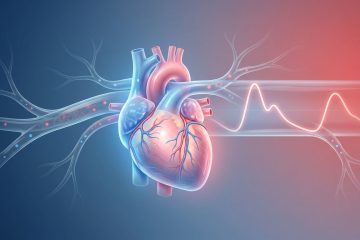
Pulse Pressure Explained, and What a Wide Gap Can Mean

Blood pressure has two numbers, yet many people only watch the top one. That’s a bit like judging a song by the first note. Pulse pressure is the space between those two numbers, and that gap offers an assessment of cardiovascular risk by hinting at how stiff or springy your arteries are. If your blood pressure reading sometimes looks like “140/80” and you wonder why the gap feels big, you’re not alone. A wide gap Read more

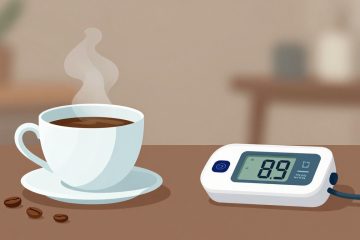
Caffeine and Blood Pressure: A Simple Two-Week Taper Plan

If you have high blood pressure, caffeine can feel like a tricky friend. One day, coffee seems harmless. The next, your heart thumps a little harder and the cuff reads higher than you expected. The good news is you don’t need a dramatic quit. A slow taper often works better because it lowers withdrawal headaches and gradually reduces your caffeine intake while keeping your routine intact. This guide explains caffeine blood pressure basics, then walks Read more

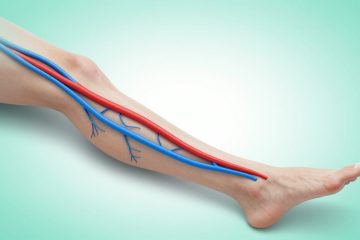
Ankle Brachial Index Test Explained for Peripheral Artery Disease (PAD) Risk

Your legs can be strong, trained, and busy, yet the arteries feeding them might be quietly narrowing. Peripheral artery disease (PAD) often starts like that, no drama, just less blood getting through. The ankle brachial index test (often shortened to ABI) is one of the simplest non-invasive procedures to spot that problem early. It’s quick, and it can connect the dots between leg symptoms and heart risk. If you care about stamina, recovery, and a Read more

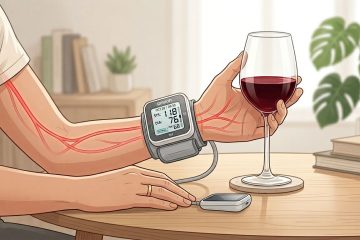
Alcohol and Blood Pressure Limits That Actually Lower Your Numbers

If your home cuff keeps flashing high blood pressure numbers you don’t like, alcohol might be the quiet weight on the scale. Not because you drink “a lot,” but because alcohol blood pressure effects can show up even with routine, social drinking. The good news is simple: cutting back often lowers readings faster than people expect, especially when you pair it with a steady, realistic routine of healthy food and movement. This guide explains the Read more

Waist Circumference and Heart Risk: How to Measure It Right (and What Your Number Means)

A bathroom scale can be a noisy storyteller for heart disease risk. It swings up and down with water, travel, and salty dinners. Waist circumference heart risk is quieter, but often more revealing. That’s because your waist helps flag belly fat that crowds your organs and strains your heart. The best part is how simple measuring waistline is: one tape measure, one minute, and a repeatable way to track progress. Measure it correctly, interpret it Read more

Ambulatory Blood Pressure Monitoring Explained And When To Ask For It

Blood pressure readings from a single clinic visit can be misleading for an accurate hypertension diagnosis. If you’ve ever left a clinic thinking, “That number can’t be right,” you’re not alone. Ambulatory blood pressure monitoring (often shortened to ABPM) helps solve that problem by tracking your blood pressure over a full day and night, while you live your normal life. It’s one of the best ways to confirm whether you truly have high blood pressure, Read more

Portfolio Diet for Lower LDL: A Simple 4-Week Starter Plan You Can Actually Stick With

If your LDL cholesterol feels like a number that follows you around, you’re not alone. Managing LDL cholesterol is a key step in preventing heart disease and cardiovascular disease. Many people eat “pretty good” and still get a lab result that stings. The portfolio diet, a specific plant-based eating pattern designed to lower total cholesterol and improve your heart health profile, is different from most heart advice because it’s specific. It doesn’t just say “eat Read more

Portfolio Diet Meal Plan for Lower LDL (With a Simple Grocery List)

If your LDL cholesterol feels like a warning light for high cholesterol and cardiovascular disease, you’re not alone. The good news is that food can nudge that number in the right direction, often faster than people expect, because your daily choices shape what your liver makes and clears. A portfolio diet meal plan based on the portfolio diet works like a tool kit. Instead of chasing one “miracle” ingredient, you stack a few proven foods Read more

About what you read here. Everything on Living Healthy Advice is general information and our own editorial opinion. We research carefully and we say when the evidence is unclear, but we can be wrong, things change, and no article can know your particular situation. Please do your own research and make your own judgement rather than treating anything here as the final word. This is not medical advice, not a diagnosis, and not a substitute for speaking to a doctor or a registered dietitian about your own heart health and nutrition. We are writers and researchers, not clinicians. We do not recommend prescription treatments or give doses. If something is painful, getting worse, or worrying you, please talk to a professional — going early is not an overreaction.