A self-basted rotisserie chicken can carry 400 to 460 mg of sodium per 3-ounce serving, compared with roughly 70 mg for a plain chicken breast roasted at home with no added salt. The gap comes from a “solution” or broth injected before cooking, and it’s disclosed in small print on the package. At the deli counter, the bigger risk is invisible: fresh-sliced turkey and chicken breast are often brined before slicing, and that sodium never appears on a visible label at all.
Both of these are real convenience foods. Both can fit into a heart-healthy pattern. But you need to know what to look for and what to ask, because the sodium difference between two chickens sitting side by side in the same case can be six-fold.
The label clue hiding in plain sight
Flip a packaged rotisserie chicken over and look for a phrase like “contains up to 8% chicken broth” or “up to 15% of a solution of water, salt, and sodium phosphate.” That percentage is the decision rule. It tells you the bird was injected or soaked before roasting, and it’s the single biggest driver of sodium in an otherwise simple food.
Here’s why it matters so much. Plain chicken, unseasoned, is naturally low in sodium — around 50 to 75 mg per 3-ounce serving just from the meat itself. Once a solution is added, that number climbs fast:
| Chicken type | Approx. sodium per 3 oz | What drives it |
|---|---|---|
| Home-roasted, no added salt | ~50–75 mg | Naturally occurring sodium in the meat |
| Store rotisserie, “contains up to 8% broth” | ~250–350 mg | Lower-level broth or saline injection |
| Store rotisserie, “contains up to 15% solution” | ~400–460 mg | Higher-percentage brine, often with phosphates |
Treat the percentage like a price tag. Under 8% is the better end of a bad category. At 15%, a single serving can already eat up most of the practical 600 mg per-meal ceiling that’s a useful rough target for one meal if you’re watching intake across the day. Some stores do sell an unseasoned or “naked” rotisserie chicken — it’s worth asking, because it’s the only version that gets close to home-roasted numbers.
If a label just says “chicken” with no percentage disclosed, that’s actually a reasonably good sign — US rules require the solution to be stated when one is used. No statement, no added brine, in most cases.
Why the deli counter is trickier than the package aisle
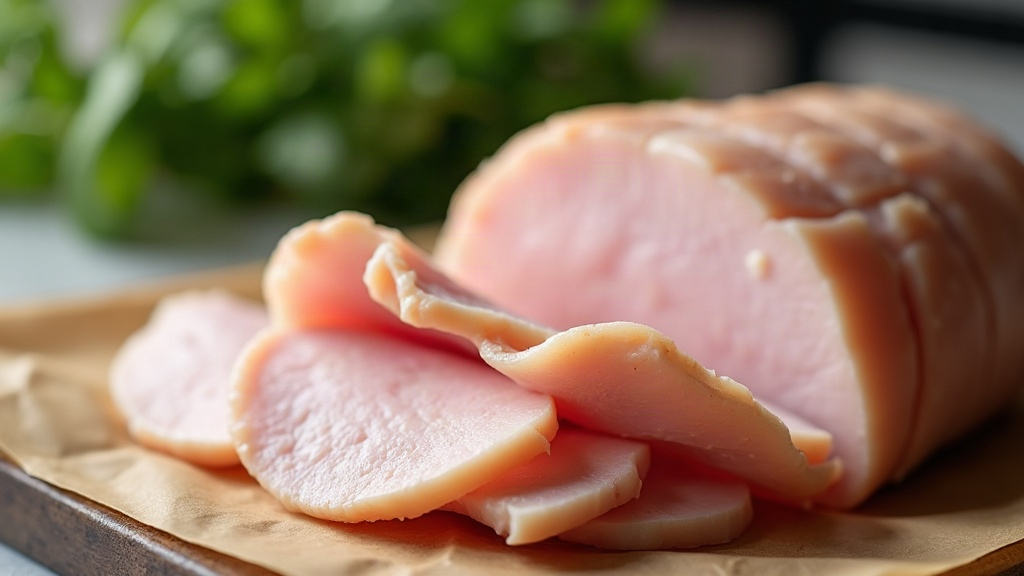
Packaged deli meat has a nutrition label. Fresh-sliced meat from the service counter usually doesn’t, at least not one you see before you buy. The turkey or chicken breast behind the glass may have been brined by the supplier before it ever reached the store, exactly like the rotisserie chicken, but without a printed solution percentage anywhere in sight.
This is the gap most advice skips. People assume “fresh-sliced” means “unprocessed.” It doesn’t. Brined deli turkey can carry sodium levels similar to packaged deli meat — often 350 to 450 mg per 2-ounce serving — even though it was sliced in front of you five minutes ago.
A script for the deli counter
You don’t need to interrogate the staff. One short question usually works:
- “Is this turkey (or chicken) brined, or is it a plain roasted breast?”
- “Do you have a lower-sodium or no-salt-added option back there?”
- “Can I see the receiving case or ingredient sheet for this one?” (Many counters keep the manufacturer’s box nearby, which does list sodium.)
If staff don’t know, that’s useful information too — it usually means asking for the printed spec sheet, which most stores can pull from the back. A plain roasted turkey or chicken breast, no solution added, typically lands closer to 150 to 250 mg per 2-ounce serving. That’s still not “low sodium” by FDA’s 140 mg-or-less standard, but it’s a meaningful cut from a heavily brined option.
Building a lower-sodium plate around either one
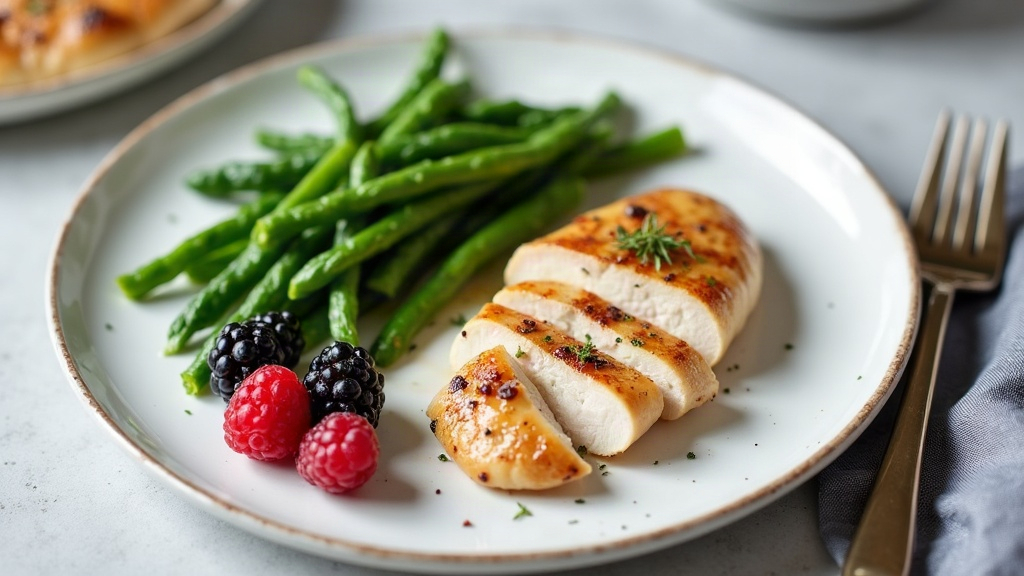
Portion size does real work here. A 3-ounce serving of rotisserie chicken is about the size of a deck of cards — smaller than most people pull off a store bird in one sitting. Sticking closer to that portion, skipping the skin (where a lot of the surface salt concentrates), and pairing it with unsalted sides keeps the meal inside a reasonable range.
Vegetables and fruit help balance the plate, and getting five or more combined servings a day is a reasonable general target. Potassium-rich produce in particular can help offset sodium’s effect on blood pressure over time, which is covered in more detail in our guide to the sodium-to-potassium ratio and in our list of potassium-rich foods for blood pressure.
If you’re assembling a sandwich around deli meat, the bread and condiments add up too. A lower-sodium condiment and a check of the bread’s label can keep the whole sandwich under that 600 mg per-meal marker instead of just the meat.
Roughly 70% of the sodium in a typical American diet comes from packaged and restaurant food rather than the salt shaker, which is exactly the category both rotisserie chicken and deli meat fall into. That’s one reason the low-sodium eating guide treats grocery and deli decisions as seriously as home cooking.
When the plain version isn’t available
Not every store carries an unseasoned rotisserie chicken or a true no-salt-added deli option. In that case, damage control still helps. Rinse visible juices off rotisserie chicken before eating it — it won’t remove sodium that’s inside the meat, but it reduces surface salt. Choose white meat over dark where possible, since dark meat retains more of the injected liquid. And ask the deli counter if they’ll slice a plain roasted breast to order, since some counters keep one on hand specifically for lower-sodium requests even if it isn’t on display.
For broader context on how chicken and deli choices fit into an overall eating pattern, our heart-healthy foods hub and the DASH diet meal plan both cover practical swaps beyond the protein aisle. The American Heart Association also publishes general sodium-reduction guidance at heart.org if you want a non-commercial reference point.
Frequently asked questions about low-sodium rotisserie chicken and deli meat
Is rotisserie chicken always high in sodium?
Not always. It depends on whether the chicken was injected with a broth or saline solution before cooking. Check the label for a phrase like “contains up to X% solution” — no such phrase usually means no added brine, and sodium stays much closer to home-roasted levels.
How much sodium is in store-bought rotisserie chicken?
A self-basted bird typically runs 400 to 460 mg per 3-ounce serving when the solution is around 15%. Lower-percentage versions, around 8%, tend to land closer to 250 to 350 mg. Plain, unseasoned rotisserie chicken is closer to 70 mg.
Is deli counter turkey healthier than packaged deli meat?
Not automatically. Fresh-sliced turkey behind the counter can still be brined by the supplier before it arrives, and that sodium isn’t listed anywhere you can see. Asking staff directly, or requesting the spec sheet, is the only reliable way to know.
What should I ask the deli counter about sodium?
Ask whether the turkey or chicken breast was brined or is a plain roasted version, and whether a lower-sodium option is available. Staff can often check the receiving box or ingredient sheet, which lists sodium even when the sliced meat on display doesn’t.
Can I remove sodium from rotisserie chicken by rinsing it?
Rinsing removes some surface salt and juices but doesn’t pull sodium out of the meat itself, since the solution is absorbed during cooking. It helps a little, but choosing a lower-solution or unseasoned bird in the first place matters more.
What’s a lower-sodium alternative to rotisserie chicken?
A plain roasted chicken breast made at home with no added salt is the lowest-sodium option, at roughly 50 to 75 mg per 3-ounce serving. If that’s not practical, ask your grocery store whether they sell an unseasoned or “naked” rotisserie option.
Living Healthy Advice publishes general educational information, not medical advice. Talk with your doctor or a registered dietitian before making significant changes to your diet, especially if you have a heart condition, high blood pressure, kidney disease, or take prescription medication.