There is no single “best” brand — because serving sizes for tortillas, wraps and buns vary so wildly that comparing label numbers directly is misleading. A 6-inch corn tortilla and a 12-inch burrito wrap can both say “low sodium,” yet the wrap may deliver three or four times as much sodium once you actually eat it. The fix is simple: convert every label to sodium per gram first, then multiply by how much you really eat. That one habit matters more than memorizing brand names.
Why bread-like carbs are a sneaky sodium source
Tortillas, wraps, and buns don’t taste salty. That’s exactly why they slip past most people’s mental sodium radar. Bread and bread-adjacent products are one of the biggest contributors to daily sodium intake in the U.S., partly because they’re eaten so often and partly because sodium is baked into the dough itself, not just sprinkled on top. Roughly 70% of the sodium in a typical American diet comes from packaged and restaurant food, not the salt shaker, and bread products are a steady part of that total. For more on where sodium hides in foods that don’t taste salty, see our guide to hidden sodium in healthy foods.
The serving-size problem, explained
The FDA’s “low sodium” claim means 140 mg or less per labeled serving. That sounds clear. It isn’t, once you look at what counts as “a serving.”
- A 6-inch corn tortilla might weigh around 24-28 grams.
- A 10-inch flour tortilla or wrap can weigh 45-55 grams.
- A large 12-inch burrito-style wrap can weigh 70-90 grams or more.
- A standard hamburger bun runs roughly 40-45 grams; a jumbo bun can be 60-70 grams.
Two products can both carry a “low sodium” claim on the front of the package. But if one serving is 26 grams and the other is 80 grams, the larger one is delivering far more sodium per bite. And most people don’t eat one small tortilla. They eat two, or they wrap a burrito in the jumbo size and eat the whole thing. That’s where the label claim stops matching real-world intake.
The decision rule: calculate sodium per gram, then rescale
Here is the method. It takes about ten seconds once you know the steps.
- Find two numbers on the label: sodium per serving (mg) and serving size (grams). Both are usually printed together in the Nutrition Facts panel.
- Divide sodium by grams to get sodium per gram. This is the true, size-independent number.
- Multiply by the amount you actually eat. If you use two tortillas, or a bun that’s visibly bigger than the label serving, multiply by that real weight, not the label’s serving weight.
A quick worked example, using round numbers purely to show the math: imagine a label lists 340 mg of sodium for one 51-gram flour tortilla. That’s about 6.7 mg of sodium per gram (340 ÷ 51). If you use two of those tortillas for a wrap — roughly 102 grams — you’re eating close to 680 mg of sodium, not 340 mg. That single wrap could already eat up more than half of a practical 600 mg per-meal sodium ceiling before you’ve added any filling, cheese, or sauce.
Now compare that to a small corn tortilla listing 15 mg of sodium at 26 grams — about 0.6 mg per gram. Two of those together add up to roughly 30 mg. The corn tortilla wins by a wide margin, even though its front-of-package claim might look similar to the flour tortilla’s.
A side-by-side way to think about it
| Product type | Typical serving size | Typical serving weight | Why it matters |
|---|---|---|---|
| Small corn tortilla | 1 tortilla, 6-inch | ~24-28 g | Smallest base weight; easiest to keep sodium low even eating two or three |
| Standard flour tortilla or wrap | 1 tortilla, 8 to 10-inch | ~45-55 g | Mid-range; check if your meal uses one or two |
| Large burrito-style wrap | 1 wrap, 12-inch | ~70-90 g | Highest per-piece sodium load; often eaten whole in one sitting |
| Hamburger bun | 1 bun | ~40-45 g | Two halves counted as one bun on most labels |
| Jumbo or artisan bun | 1 bun | ~60-70 g | Can carry 40-60% more sodium than a standard bun of the same brand’s regular line |
These are typical weight ranges, not brand-specific figures — always check the actual grams printed on the package you’re holding, since they shift by manufacturer.
What to actually look for on the shelf
Once you have the per-gram habit, shopping gets faster. A few practical pointers:
- Corn tortillas are usually the lowest-sodium base. Traditional corn tortillas made with just corn, water, and lime (masa harina style) often land well under 15 mg of sodium per piece, compared with flour tortillas that typically start higher because of the dough recipe.
- “Reduced sodium” still needs a gram check. By FDA definition it means at least 25% less sodium than the standard version of that same product — not necessarily low in absolute terms.
- Whole-grain and “low-carb” wraps aren’t automatically lower in sodium. Some use extra salt to offset flavor changes from added fiber or protein. Read the label; don’t assume.
- Buns labeled “artisan,” “brioche-style,” or “jumbo” tend to run larger and saltier per piece than a plain sandwich bun from the same brand.
- Watch the fillings, not just the bread. Deli meat, cheese, and condiments often add more sodium than the tortilla or bun itself. Our guide to low-sodium condiments covers that side of the sandwich.
Putting it into a full day’s sodium budget
The American Heart Association points to 2,300 mg a day as a general ceiling, with 1,500 mg suggested as a tighter goal for people managing blood pressure. A practical per-meal target of about 600 mg keeps three meals plus snacks under that daily line. If your tortilla or bun math above already lands at 300-400 mg before you add filling, that’s worth knowing before lunch, not after. Tracking this kind of running total is one piece of the broader approach covered in our DASH diet meal plan guide, which builds meals around a similar per-meal ceiling.
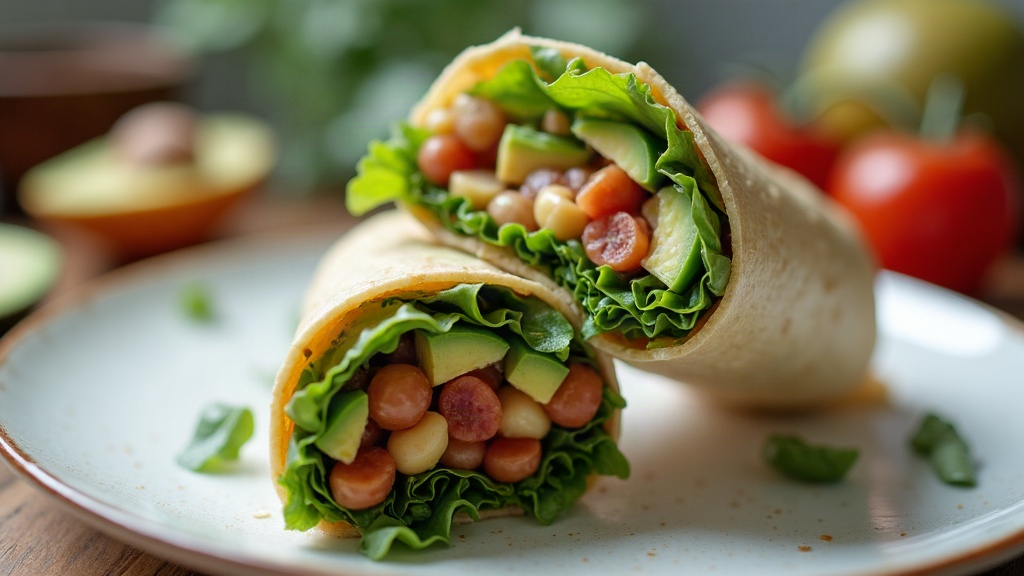
Sodium doesn’t work alone, either. Pairing a lower-sodium wrap with potassium-rich fillings — beans, leafy greens, avocado — can help balance the broader sodium-to-potassium ratio that matters for blood pressure, a relationship explained in more depth on our sodium-to-potassium ratio page.
For a wider view of where tortillas and buns fit into a heart-conscious grocery list, our heart-healthy foods hub and the dedicated low-sodium eating hub both cover the label-reading skills that carry over from bread products to almost everything else in the pantry. The Mayo Clinic and the CDC both publish plain-language sodium guides worth bookmarking alongside these.
The takeaway
Don’t shop by the front-of-package claim alone. Do the division: sodium divided by grams. Then multiply by what’s really on your plate. A tortilla or bun that looks “low sodium” at one serving can quietly double or triple that number once portion size catches up with real life. The math takes ten seconds and it’s the only reliable way to compare products that were never packaged in matching sizes to begin with.
Living Healthy Advice publishes general educational information, not medical advice. Talk with your doctor or a registered dietitian before making significant changes to your diet, especially if you have a heart condition, high blood pressure, kidney disease, or take prescription medication.