A bowl of soup might appear to be a gentle meal option, yet it can often carry a salt load significant enough to exceed your recommended daily intake. If you are focused on protecting your cardiovascular wellness, choosing the right low-sodium soup brands matters far more than the comforting imagery found on the front of the packaging. A high-quality soup should provide a calming experience rather than loading your plate with hidden sodium.
The good news is that the soup aisle is not off-limits for those monitoring their salt intake. By selecting the right canned soups, performing a quick label check, and incorporating a few fresh add-ins, you can ensure that your meal remains a staple of your heart-healthy diet.
Key Takeaways
- Mind the Serving Size: Always check the nutrition label for the full container’s sodium content, as a single can often contains multiple servings that can quickly exceed your daily limit.
- Prioritize Nutrient Density: Choose broth-based soups rich in fiber, such as those with beans, lentils, or vegetables, over cream-based bisques to improve satiety and heart health.
- Use Soups as a Base: Treat canned soup as a starting point rather than a complete meal by adding fresh greens, lean proteins, or low-sodium beans to increase volume and nutritional value.
- Read Beyond Marketing: Do not be swayed by front-of-package claims like “healthy” or “organic”; focus strictly on the ingredient list and the total milligrams of sodium per serving.
Why sodium in soup deserves a closer look
Packaged soup earns its bad reputation for one reason: sodium stacks fast. The American Heart Association’s sodium guidance says most adults should stay under 2,300 milligrams of sodium a day, and many adults do better closer to 1,500 milligrams of sodium. One salty can can swallow a huge share of that limit before the day is half over. That gap matters most when soup looks like the healthy choice and you stop reading the nutrition facts.
That does not mean soup is bad. It means the label has to work as hard as the marketing. Broth-based options like chicken noodle soup or a hearty split pea soup often fit better than creamy chowders, cheesy bisques, and condensed classics. They usually bring less saturated fat, more fiber, and a steadier kind of fullness.
If you are trying to build a pantry around easier wins, this guide to heart-healthy eating makes the same point in a broader way. Healthy food does not have to be fancy. It has to be repeatable.
Soup earns a place because it is warm, cheap, and easy on busy afternoons. That same convenience is why it can slip past your guard. A can of soup often looks lighter than pizza or takeout, yet the salt content can land in the same neighborhood. Once you see soup as a packaged food first and a comfort food second, the label starts to make more sense.
If one can holds two servings, count the whole container before you call it low in sodium.
A useful target for packaged soup is moderate sodium per serving, low saturated fat, and at least some fiber or protein. That gives the meal staying power. It also makes healthy nutrition feel less like a math problem and more like lunch you can trust. For people following a salt-restricted diet due to high blood pressure, heart disease, diabetes, or kidney disease, the lower end of intake often matters even more. Always double-check the serving size on the back of the can, as personal guidance from your doctor can help you navigate these daily limits.
Low-sodium soup brands worth a closer look
No single company wins the whole aisle. The best low-sodium soup brands are usually the ones that clearly mark lighter-salt lines and still build flavor with herbs, garlic, tomato, onion, and vegetables instead of leaning on the shaker. Many of these brands also prioritize high-quality, non-GMO ingredients and offer various gluten-free options for those with specific dietary needs.
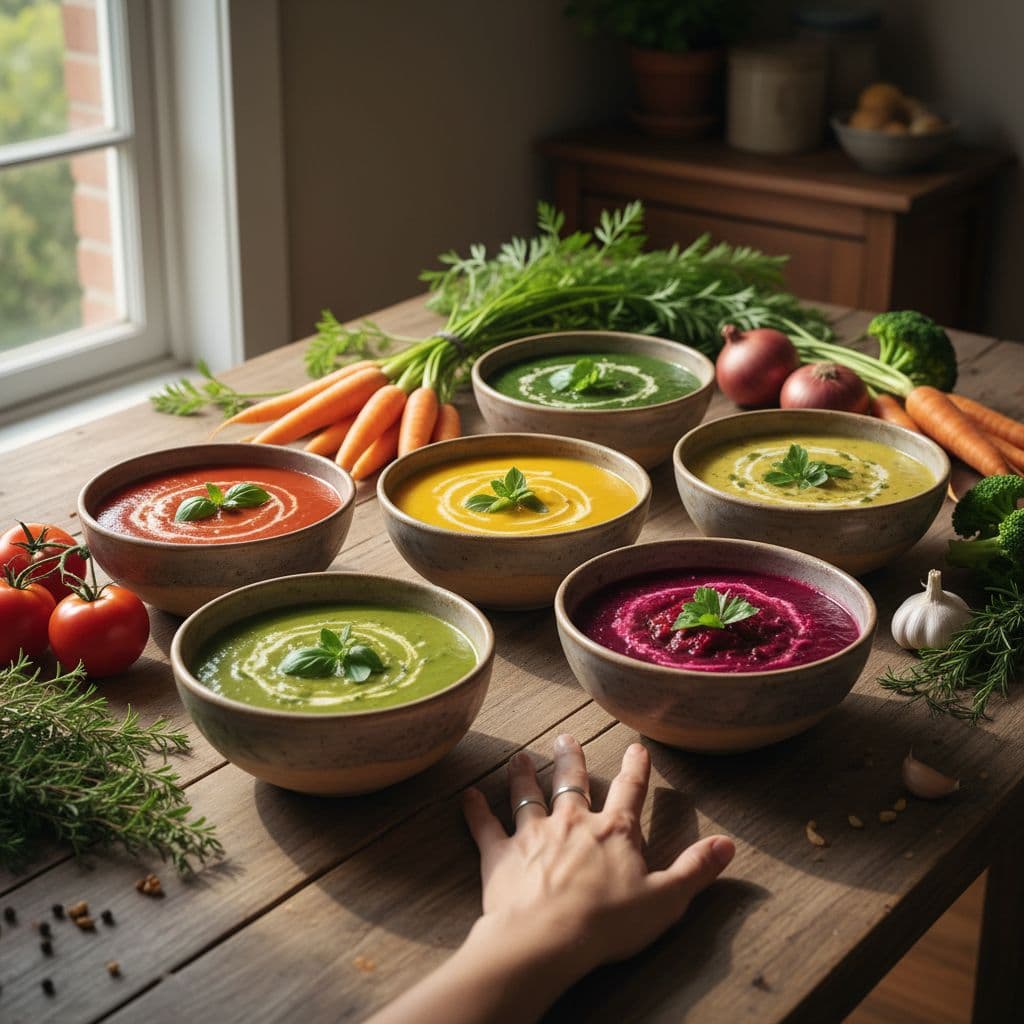
A practical shelf rule is to start with soups that stay around or below 500 milligrams of sodium per serving. That target for total milligrams of sodium shows up in roundups curated by registered dietitians. It also lines up with the advice from GoodRx on choosing healthier canned soups, which notes that broth-based options usually beat creamy ones.
This quick comparison can narrow the search.
| Brand or line | What to look for | Why it can work |
|---|---|---|
| Amy’s Organic, Light in Sodium | Lentil, vegetable, and bean-forward soups | Plant-based, filling, easy to find |
| Health Valley Organic | No salt added or low-sodium soups and broths | Good control if you want the lightest salt load |
| Pacific Foods | Light-in-sodium soups and boxed broths | Handy for quick meals and soup upgrades |
| Progresso, Reduced Sodium | Familiar styles with trimmed salt | Good for shoppers who want classic flavors |
| Campbell’s Healthy Request or lower-sodium picks | Wide grocery-store reach | Convenient when options are limited |
Amy’s Organic often stands out because its lighter-sodium soups still taste like real food. Health Valley Organic is helpful when you want a bigger safety margin. Pacific Foods works well if you buy boxed soups and broths more often than cans. Progresso and Campbell’s Healthy Request can fit too, but only in selected lines, because one version may work for your goals while another doesn’t.
Some shoppers do better by category, not brand. A hearty lentil vegetable soup, minestrone, vegetable barley, black bean, or split pea soup usually gives you more fiber and less cream. Chicken noodle can work if the broth stays reasonable, but classic tomato and clam chowder are more mixed bags. The same brand can make one strong option and one salty detour.
Boxed broth deserves a place on the shelf too. A reduced sodium soup base or broth lets you stretch a richer meal, thin a condensed one, or build dinner from leftovers. A healthy food diet gets easier when your pantry holds two or three soups you already trust. Still, brand names are only the opening filter. Recipes change, serving sizes vary, and labels tell the truth more clearly than the front of the package ever will.
How to read the label without getting fooled
When checking the serving size on the back of a can, remember that the math can be deceptive if you aren’t careful. A common mistake is reading the sodium per serving and ignoring how many servings are actually in the container, as a modest number can double in seconds. Front labels can also distract you with marketing terms like light, organic, or wholesome, even when you are purchasing an organic canned soup that remains surprisingly high in sodium.
Dietary fiber is the next component to check. Soups containing beans, lentils, split peas, whole grains, or plenty of vegetables do more for fullness and blood sugar control. That matters because fiber steadies hunger and makes it less likely you will go looking for salty snacks an hour later. This is nutrition used to prevent illness in everyday form, not just a special occasion plan.
Then scan for saturated fat and protein. Cream-heavy soups and cheese-based bisques can push saturated fat up quickly, while soups featuring plant-based protein like beans, lentils, or lean chicken usually land in a better spot. If the soup is your whole meal, a bit of protein matters because it helps the bowl stay with you longer.
The total amount you consume changes the math. A cup of soup as a starter is one thing, but a 20-ounce container as a full lunch is another. If you want a main meal, look for enough substance to hold you, such as beans, chicken, or grains. Otherwise, you may end up adding chips or a salty sandwich and lose much of the benefit of choosing a lower-sodium option.
Ingredient order also tells a story. Look for nutrient-rich ingredients like vegetables, stock, beans, tomatoes, herbs, and spices, as these are reassuring signs of quality. Salt high on the list, long strings of cream powders, and lots of refined starch usually signal a thinner choice. Potassium-rich ingredients like tomatoes, beans, and vegetables are also a welcome sign in a heart-friendly pattern. When in doubt, pick the soup that looks closest to something you would cook at home, even if you rarely make it from scratch. Labels change over time, so the soup you bought last winter may not read the same this spring.
Make soup a stronger meal, not a salty shortcut
Even the best low-sodium soup brands work best when you treat them as a base, not the whole plan. Add a cup of no salt added beans to tomato basil soup or stir frozen spinach into vegetable soup. You can also thin a condensed soup with extra water, unsalted chicken broth, or a collagen-rich bone broth like those from Kettle and Fire. Small moves like these lower the sodium per bowl while increasing fiber, potassium, and volume. If you need an extra boost of flavor without the salt, a dash of sodium-free bouillon does the trick perfectly.
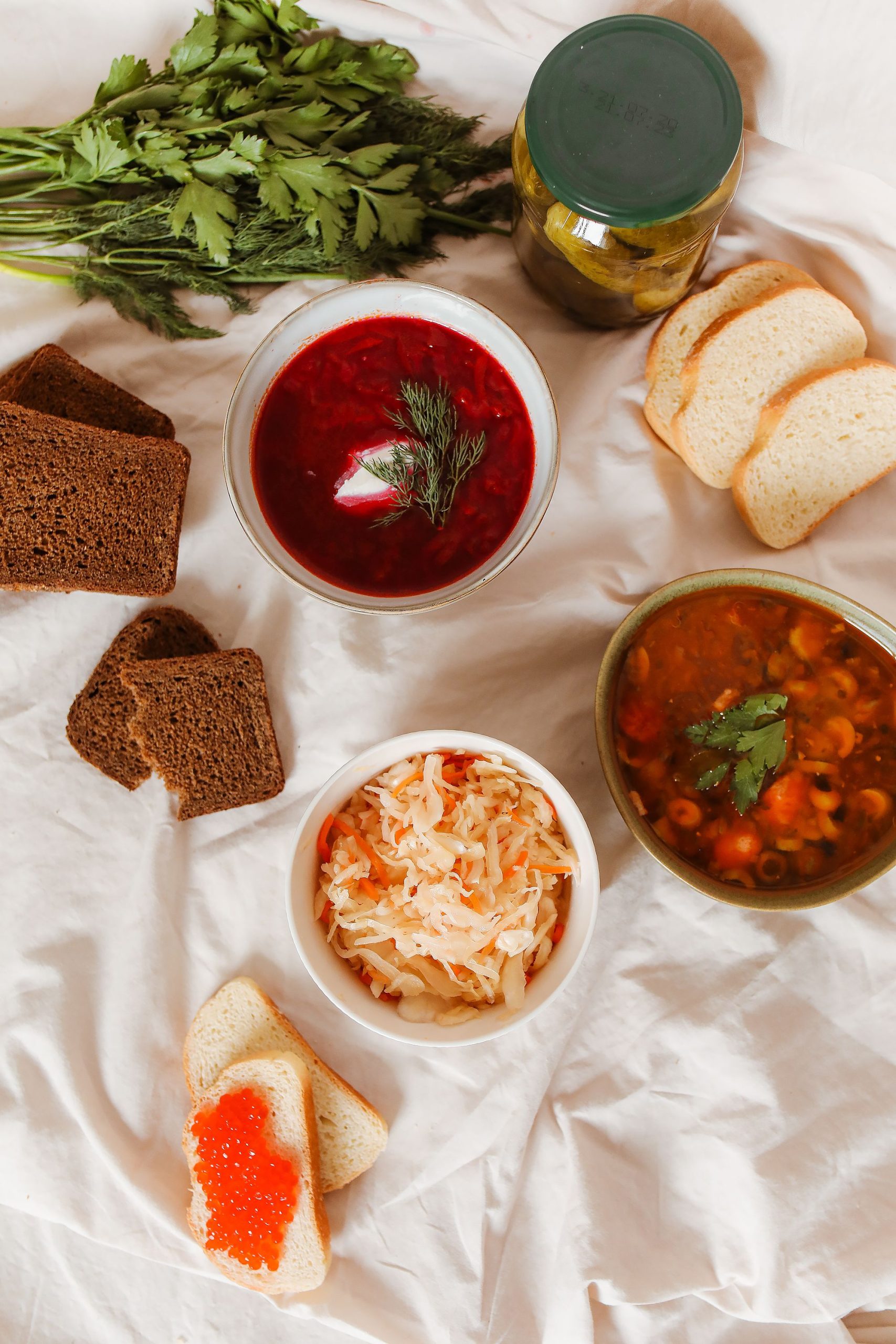
Photo by Polina Tankilevitch
Pairing matters too. Soup and a sleeve of crackers is common, but it leaves a lot on the table. A better meal is soup with a side salad, fruit, plain yogurt, or a gluten-free slice of whole-grain toast. This blood pressure diet plate method is a good reminder to keep vegetables, lean protein, and high-fiber carbs in view, even when lunch starts with a can.
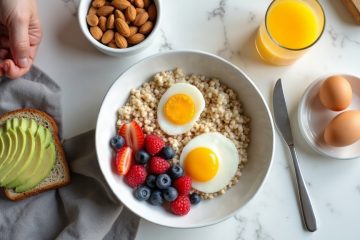
Good pairings do not need much work. Try lentil soup with apple slices and walnuts, or upgrade your chicken noodle soup with extra fresh vegetables and whole-grain toast. If dinner feels thin, crack an egg into simmering broth or stir in leftover shredded chicken. Those additions turn a bowl of soup from a side note into a proper meal.
What weakens the meal is the usual company: buttery crackers by the sleeve, salty deli meat, or grilled cheese every time. Soup cannot pull the whole meal back by itself. If the phrase healthy living diet and exercise sounds big, this is where it becomes real. The routine holds when weekday meals are simple. That matters on nights when healthy living is supposed to survive a packed calendar.
That is also true if you care about sports and exercise for long life. Training asks plenty from your body, and your meals should help recovery without piling up sodium you did not mean to eat. Soup can also protect your schedule. On busy days, the right carton keeps you from ordering a salt-heavy lunch you never planned to buy. That is why healthy food and convenience do not need to fight each other.
Frequently Asked Questions
How much sodium is in a can of soup?
A typical canned soup contains 700 to 900 mg of sodium per serving — and most cans hold two servings, so eating the whole can often means 1,400 to 1,800 mg. That is most of a day’s limit in one bowl, which is why the serving size on the label matters as much as the sodium number.
What is the lowest sodium canned soup?
The lowest-sodium canned soups are those labeled “no salt added” or “very low sodium,” which contain 140 mg or less per serving — and sometimes under 50 mg. These usually need seasoning at home with herbs, pepper, garlic, lemon, or vinegar, which adds flavor without sodium.
Is “reduced sodium” soup actually low in sodium?
Usually not. “Reduced sodium” only means at least 25% less than the regular version, so a soup that started at 900 mg still qualifies at 675 mg per serving. Only “low sodium” (140 mg or less) and “very low sodium” (35 mg or less) are defined as genuinely low.
What soup is best for high blood pressure?
Bean, lentil, and vegetable soups made with no-salt-added broth are the best choice, because they combine low sodium with potassium and fiber. Aim for under 300 mg of sodium per serving, and boost potassium with added spinach, tomato, sweet potato, or extra beans.
How can I make canned soup lower in sodium?
Dilute and bulk it up. Add an equal volume of no-salt-added broth or water plus frozen vegetables, no-salt-added beans, or cooked grains. This roughly halves the sodium per bowl while making the soup more filling. Finishing with lemon juice or vinegar restores the brightness that salt was providing.
Is broth or bouillon high in sodium?
Yes — standard broth runs 800 to 1,000 mg per cup, and a single bouillon cube can exceed 1,000 mg. Since broth is the base of most homemade soup, switching to an unsalted or no-salt-added version is the single highest-impact change you can make to soup at home.
How much sodium should I aim for in a single serving of soup?
A practical target is to stay at or below 500 milligrams of sodium per serving. This threshold helps you maintain your daily intake goals while still leaving room for other nutritious foods throughout the day.
Can I make high-sodium canned soup healthier before eating it?
Yes, you can mitigate high salt levels by thinning the soup with water, unsalted broth, or even collagen-rich bone broth. Adding extra vegetables or beans also helps dilute the salt concentration while adding beneficial fiber and nutrients.
Are “organic” or “natural” soups always lower in sodium?
No, marketing terms like organic or natural do not necessarily indicate a lower sodium content. You must always consult the nutrition facts panel, as many organic products contain high amounts of salt to preserve flavor.
What are the best ingredients to look for on a soup label?
Look for nutrient-rich items like vegetables, whole grains, beans, and lean proteins listed near the beginning of the ingredient list. These indicate a higher-quality product that provides lasting fullness and heart-health benefits.
Conclusion
A soothing bowl of soup should never work against your heart health. A comforting meal can easily respect your blood pressure if you know what to look for. The right choice keeps your intake in check, highlights real ingredients, and fits into your daily routine without compromising your wellness goals.
When you are at the store, check the label to understand the total milligrams of sodium, and always pay close attention to the sodium per serving to ensure it aligns with your dietary needs. Finding a reduced sodium soup you genuinely enjoy, such as specific options from brands like Amy’s Organic or Progresso, creates a sustainable heart-healthy habit.
The strongest strategy is simple: keep a few dependable, low-sodium staples on hand and build around them with extra vegetables, beans, and whole grains. That is healthy nutrition you can repeat, even on the busiest day.
Want the full picture? Soup is one of several high-sodium categories worth fixing — see our complete low-sodium heart-healthy eating guide for daily targets and the best picks across frozen meals, dressings, condiments, and cheese. Also useful: how to choose low-sodium canned foods.

0 Comments