Your salad can look like the cleanest meal on the table and still hide a salt problem. A small pour of dressing often brings more sodium than the greens, beans, or chicken underneath.
If you are building a healthy food diet, that small pour matters. Choosing the best low sodium salad dressings keeps flavor high, helps support healthy blood pressure, and makes a heart healthy diet easier to enjoy for the long run.
Once you know what creates flavor without much salt, the choices get much simpler. Finding these options is a great way to support kidney health while still enjoying every bite of your favorite meals.
Key Takeaways
- Flavor Without Salt: You can achieve vibrant flavor in dressings using acidic ingredients like lemon juice and vinegar, fresh herbs, garlic, and heart-healthy fats instead of relying on high sodium levels.
- Control Through Homemade Staples: Creating your own dressings at home is the most effective way to eliminate hidden sodium and excessive sugars commonly found in store-bought options.
- Improve Heart Health: Reducing sodium in your salad dressing is a sustainable strategy to support healthy blood pressure levels and long-term cardiovascular wellness.
- Smart Shopping Habits: When choosing bottled dressings, always check the nutrition label for sodium, added sugars, and saturated fats, favoring products with short, recognizable ingredient lists.
Why the dressing deserves a closer look
Salad gets most of the health credit, but dressing often decides whether the meal helps or hurts your goals. A sodium-heavy dressing can turn a fresh bowl into a meal that works against your blood pressure. Common favorites like ranch dressing or caesar dressing often hide significant amounts of salt, which can quickly turn a nutritious meal into a source of hidden excess.
That matters because sodium adds up fast throughout the day. Bread, soup, sauces, deli meat, and restaurant meals already carry plenty, and dressing can be one more quiet source. According to the WHO’s sodium reduction guidance, lowering sodium intake is one of the most cost-effective ways to improve health and reduce the burden of chronic disease.
The good news is that salt is not the only path to flavor. Sharp acid, healthy fats from olive oil, fresh herbs, garlic, mustard, and pepper can make a salad taste alive. In many cases, these ingredients do a better job than sodium because they brighten the whole bowl instead of coating it in one flat, salty note.
This is why low sodium salad dressings matter so much. They are easy to repeat. You do not need a total kitchen overhaul; you just need one better default in the fridge.
If you are already using a balanced plate approach, the blood pressure plate method makes even more sense when the dressing supports the meal instead of loading it with extra salt. A good dressing should help you eat more vegetables, beans, whole grains, and fish. It should never be the part that pulls your meal off course.
What makes a dressing heart-healthy
The best dressings for heart health are simple. They lean on ingredients that add body and flavor without relying on much sodium.
Extra virgin olive oil is a strong base because it brings richness and supports a pattern of eating linked with heart health, while avocado oil serves as a fantastic alternative packed with monounsaturated fats. Bright acidity from apple cider vinegar or red wine vinegar often lets you use less salt without missing it. Fresh herbs add lift, and garlic or black pepper add depth. Yogurt and tahini create creaminess without the heavy feel of many bottled options. Many of these homemade staples are naturally sugar free and gluten free, making them an excellent choice for a variety of dietary needs.
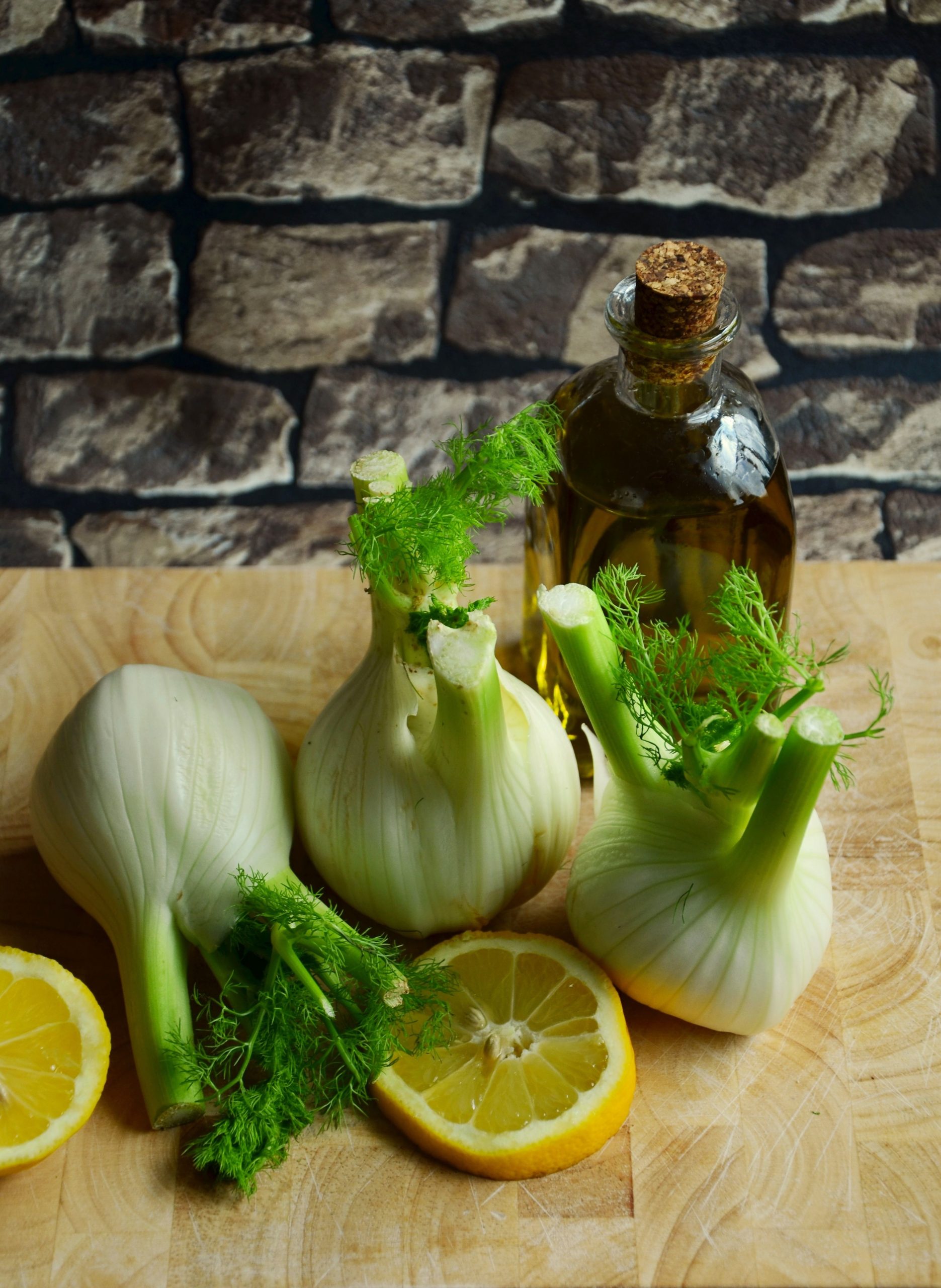
Photo by Pixabay
These basics fit neatly into broader eating patterns too. If you are weighing two of the best-known plans, this comparison of DASH vs Mediterranean for heart health shows why both styles favor simple, less-processed dressings over salty bottled ones.
A quick reference makes the building blocks easier to remember:
| Dressing style | Main ingredients | Flavor profile | Why it works |
|---|---|---|---|
| Greek dressing | Olive oil, lemon juice, dried oregano | Bright and fresh | Strong flavor, little sodium |
| Yogurt herb | Plain yogurt, lemon, dill, garlic | Cool and creamy | Less saturated fat than mayo-heavy dressings |
| Balsamic vinaigrette | Olive oil, balsamic vinegar, pepper | Sweet-tart and deep | Works well without much salt |
| Tahini citrus | Tahini, lemon juice, water | Nutty and rich | Creamy texture, no need for mayo |
The common thread is balance. You want good fat, sharp acid, real flavor, and minimal sodium. You also want low added sugar and modest saturated fat. That combination is healthy nutrition that tastes bright, not flat.
The best low-sodium salad dressings to keep on repeat
The best dressing is the one you can make or buy again without much effort. A heart-smart kitchen runs on repeat choices, not heroic ones. Embracing homemade salad dressing is the easiest way to control your sodium intake while elevating your meals.
Lemon olive oil vinaigrette
This is the clean white shirt of dressings. It works almost anywhere.
Whisk extra virgin olive oil with fresh lemon juice, a little dijon mustard as a binder, black pepper, and minced garlic. The lemon wakes up leafy greens, chickpeas, cucumbers, and grilled fish. Because the flavor is sharp and clean, you do not need much salt to make it sing. These vinaigrettes are also excellent for marinating chicken or white fish before roasting.
Yogurt dill dressing
Creamy dressings do not have to be heavy. Plain yogurt gives body, while lemon, dill, garlic, and pepper do the rest.
This option feels cool and fresh on chopped salads, tomato-cucumber bowls, or roasted potatoes. It also turns raw vegetables into an easy snack. For people used to ranch, this is often the easiest swap because it still gives that creamy comfort.
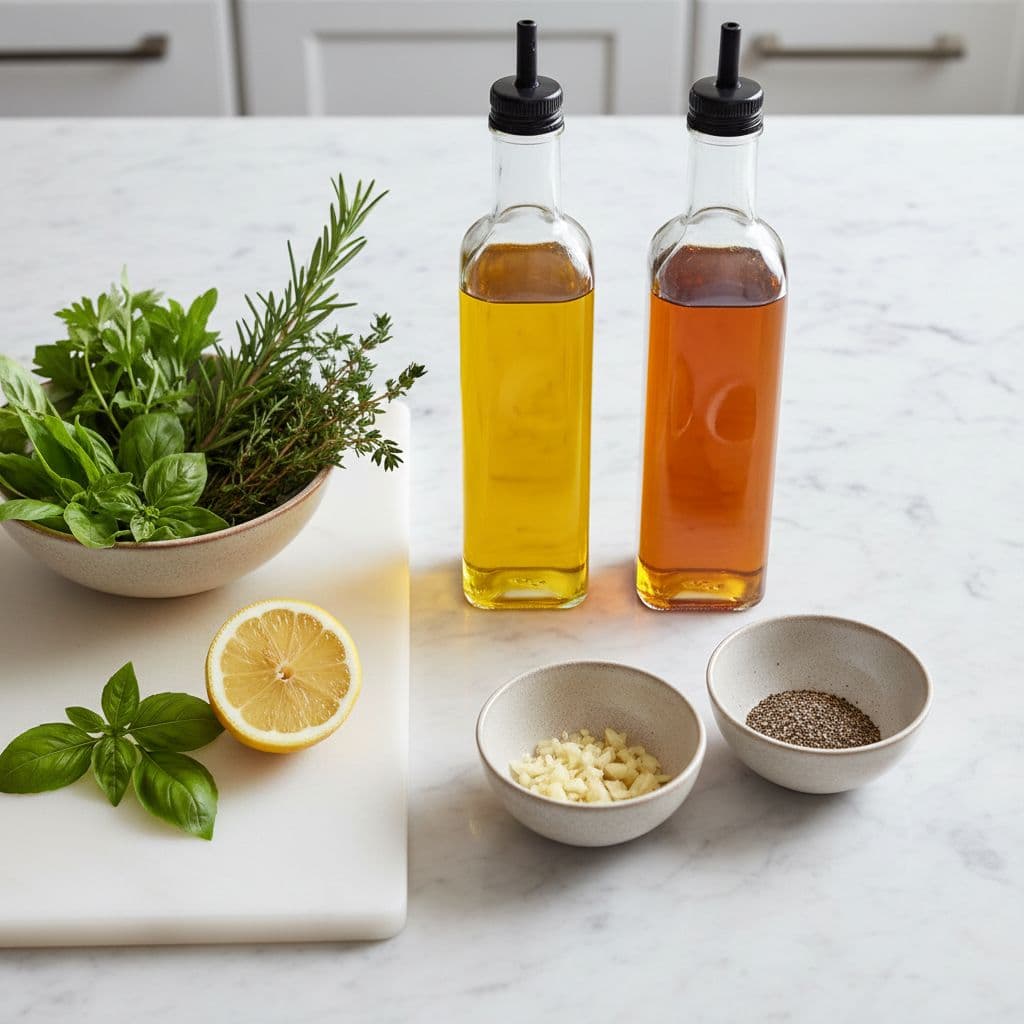
Balsamic mustard vinaigrette
Some salads need a darker note. A classic balsamic vinaigrette brings that deep sweet-tart edge, and mustard adds body and bite.
Use it on spinach, lentils, roasted carrots, beets, or grain bowls. If you prefer a touch of sweetness without high salt, try a homemade honey mustard version by whisking a teaspoon of honey into your base. It goes far because balsamic has a strong personality.
Tahini lemon dressing
This one is rich, nutty, and satisfying. Tahini gives creaminess without dairy or mayo, while lemon keeps the flavor light.
A splash of water thins it into a silky dressing. Black pepper, garlic, or cumin add even more character. It works well on kale, cabbage slaw, and bowls with roasted vegetables. A salad with beans, greens, and a good dressing becomes healthy food, not a side note.
Citrus herb dressing
When the weather is warm, orange or lime juice can make a salad taste fresh from the garden. You can easily replicate popular store-bought styles like Italian dressing or sesame ginger at home by using fresh herbs, rice vinegar, and toasted sesame oil instead of high-sodium additives.
This kind of dressing is excellent on arugula, avocado, or fruit-leaning salads. Go easy with soy sauce, even reduced-sodium versions, because sodium can climb fast.
The point is not to build a chef’s pantry. You need a few dependable formulas. Once you know them, low sodium salad dressings stop feeling like a compromise and start tasting like your style of food.
How to choose a bottled dressing, and make the habit stick
Homemade is great, but real life is busy. A store bought dressing can still be a smart pick if you read the label with care.
Start by checking the nutrition label. Specifically, look at the milligrams of sodium per serving size. While you are there, compare added sugars and saturated fats across similar brands. Shorter ingredient lists often signal a simpler dressing, though not always. Olive oil, vinegar, herbs, yogurt, tahini, mustard, and spices are all excellent signs. If you are struggling to find the right balance, a dietitian can provide guidance on finding zero sodium or fat free options that still taste delicious. Heavy amounts of sodium, sugar, or processed creamy additives should be a red flag.
“Low sodium” alone doesn’t make a dressing heart healthy. The full label still matters.
The American Heart Association’s report on sodium cuts points to broad heart benefits when sodium intake drops in everyday foods. Dressing fits that idea perfectly because it is a staple item. A small improvement there can echo across weeks and months.
Make the habit easy. Keep one jar of homemade dressing in the fridge for three to four days, and keep one decent bottled backup for rushed evenings. That rhythm fits a healthy living diet and exercise routine because it removes friction.
For people who care about sports and exercise for long life, the food you eat between workouts matters as much as the training itself. A better dressing helps you eat more greens, beans, salmon, nuts, and whole grains. That is the kind of nutrition to prevent illness that grows from steady choices, not short bursts of willpower.
If you need meal ideas to pair with those dressings, this heart-healthy foods grocery list can help fill the rest of the plate with foods that support your goals.
Frequently Asked Questions
How much sodium is in salad dressing?
Most bottled dressings contain 200 to 400 mg of sodium per two-tablespoon serving, and few people pour only two tablespoons. Creamy and Italian styles sit at the higher end. Because dressing is used in small volumes, it is one of the most concentrated sodium sources in an otherwise healthy meal.
What salad dressing is lowest in sodium?
Oil-and-vinegar dressings are lowest, often under 10 mg per serving, since neither ingredient contains meaningful sodium. Among bottled options, look for products labeled “low sodium” (140 mg or less per serving) or “no salt added” — most are vinaigrettes rather than creamy dressings.
Is balsamic vinaigrette low in sodium?
Homemade balsamic vinaigrette is very low in sodium — essentially none unless you add salt. Bottled balsamic vinaigrettes vary widely, from about 100 mg to over 350 mg per serving, because manufacturers add salt for shelf stability and flavor. Always check the panel rather than assuming.
What is the healthiest salad dressing for high blood pressure?
Extra-virgin olive oil with vinegar or lemon juice is the best choice for high blood pressure: nearly sodium-free, and the unsaturated fat helps your body absorb the fat-soluble nutrients in the vegetables. If you prefer bottled, choose a low-sodium vinaigrette under 140 mg per serving.
How do you make low-sodium salad dressing at home?
Combine three parts extra-virgin olive oil with one part acid — red wine vinegar, balsamic, or lemon juice — then add Dijon mustard, black pepper, garlic, and dried herbs. It takes about two minutes, contains almost no sodium, and keeps in the refrigerator for roughly a week.
Are “light” or “fat-free” dressings lower in sodium?
Often the opposite. When fat is removed, manufacturers commonly add salt and sugar to compensate for lost flavor and body, so fat-free dressings can carry more sodium than the full-fat version. For heart health, a modest amount of olive-oil-based dressing generally beats a fat-free one.
Can I still use bottled dressings if I am watching my sodium intake?
Yes, you can still use bottled dressings, but you must read the nutrition labels carefully to identify lower-sodium options. Look for products that list heart-healthy oils and vinegar as the primary ingredients rather than processed additives or excessive salt.
How long can I store homemade, low-sodium salad dressings in the fridge?
Most homemade vinaigrettes and creamy yogurt-based dressings stay fresh for three to four days when stored in an airtight container. It is best to make small batches that you can easily consume within that timeframe to ensure the best flavor and safety.
What are the best ingredients to add for flavor if I am not using salt?
To replace the punch of salt, focus on bright acids like fresh lemon juice, apple cider vinegar, or balsamic vinegar, which provide a sharp profile. You can also add depth using fresh herbs like dill or oregano, aromatic ingredients like minced garlic, or a hint of spice from black pepper or mustard.
Conclusion
A better salad dressing can change more than just your lunch bowl. It can lower one steady source of sodium, keep flavor where it belongs, and make your meals easier to repeat.
The cleanest meal on the table stays that way when the dressing works with the salad, not against it. By prioritizing low sodium salad dressings, you take a significant step toward a heart healthy lifestyle. Whether you prefer a quick bottled option or a simple homemade salad dressing, remember that these choices are a foundational part of your daily healthy nutrition. Choose one favorite, keep it on hand, and let that small jar contribute more to your well-being than you might expect.
Want the full picture? Dressings are the quickest sodium win, but not the biggest — see our complete low-sodium heart-healthy eating guide for daily targets and best picks across frozen meals, soups, condiments, and cheese. Also useful: best low-sodium condiments and heart-healthy salad kits.

0 Comments