Takeout can blow past your salt target before the first bite. A single heavy meal can leave you thirsty, puffy, and way off track from a heart healthy diet.
Still, busy nights happen. A healthy food diet doesn’t fall apart because dinner came in a paper bag, as long as you know what to order and what to skip.
The goal is simple, pick meals with real ingredients, lighter sauces, and fewer salty extras. That’s where smarter takeout starts.
Why restaurant meals get salty so fast
Sodium rarely announces itself. It slips in through soy sauce, soup base, cured meat, cheese, pickles, marinades, seasoning blends, and dressings.
That means a meal that looks like healthy food can still carry a heavy salt load. A grilled chicken bowl sounds light, but add seasoned rice, bottled sauce, cheese, and a salty side, and the number climbs fast.
Restaurant food also comes in large portions. Even if one serving looks fair on paper, most takeout boxes hold far more than one serving. As a result, you may eat twice the sodium without noticing.
The first fix is to choose meals built from plain parts. Grilled fish, chicken, tofu, beans, rice, potatoes, vegetables, and fruit give you more control than casseroles, soups, sandwiches piled with deli meat, or anything “smothered” in sauce.
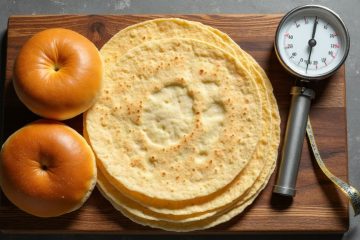
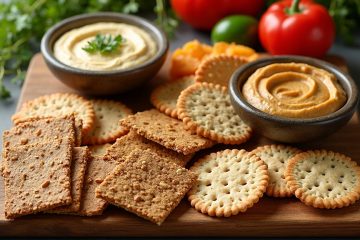
The second fix is to spot the quiet sodium bombs. Broth-based dishes, tortillas, bread, cheese, and bottled dressings can carry more salt than people expect. If you want extra help with packaged add-ons and grocery-prepared sides, these tips for identifying hidden sodium in food make label reading much easier.
At restaurants, small requests matter. The CDC’s restaurant sodium tips recommend asking for nutrition information when it’s available and requesting that no salt be added during cooking.
A good rule is to trust simpler plates. The plainer a dish looks, the more control you keep.
The best low-sodium takeout patterns to order
Good low sodium takeout is less about one perfect restaurant and more about patterns. Look for a lean protein, at least one vegetable, and a plain starch, then pull salty extras to the side.
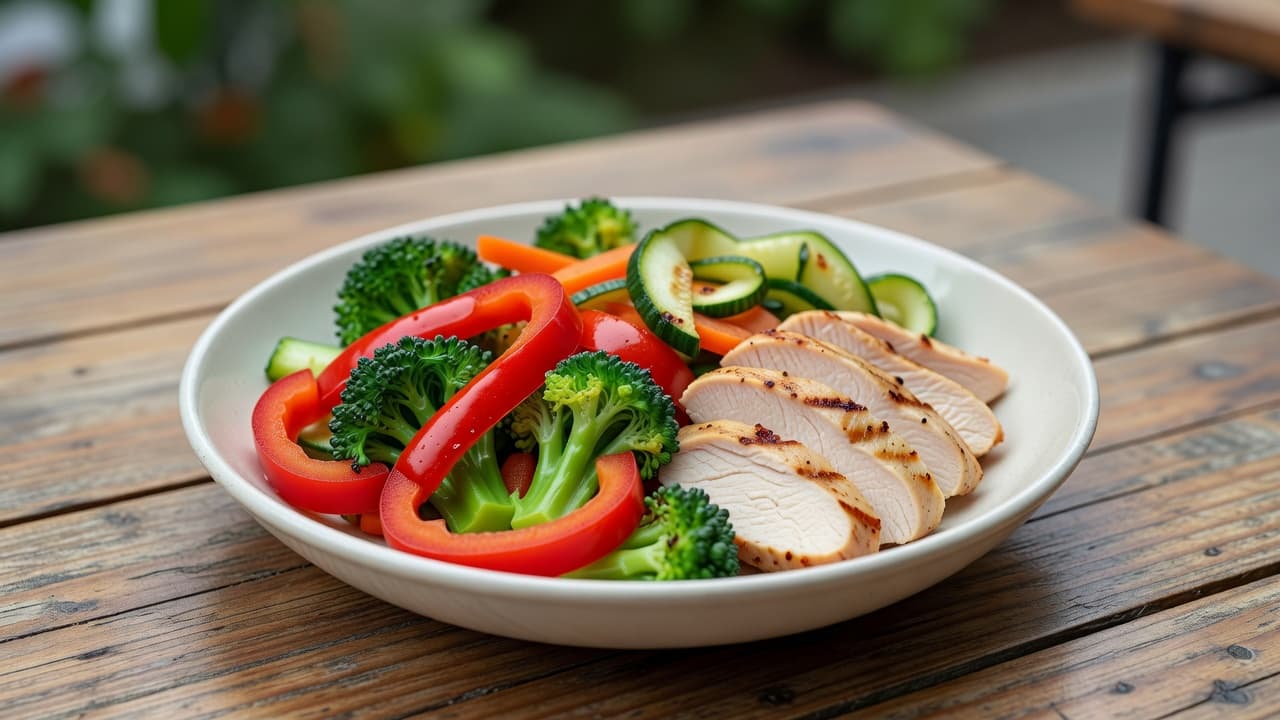
Mediterranean spots often make this easy. A grilled chicken or salmon plate with salad and rice usually beats a gyro loaded with sauce, feta, and olives. Mexican takeout can work well too, especially a burrito bowl with beans, fajita vegetables, pico de gallo, and grilled protein. On the other hand, queso, chips, and oversized tortillas can push sodium up fast.
Japanese menus are mixed. Sashimi with steamed rice and cucumber is often a better fit than rolls drowned in soy sauce, spicy mayo, or tempura crunch. Meanwhile, Thai and Chinese restaurants can still fit a heart healthy diet if you choose steamed dishes or lightly cooked stir-fries and ask for sauce on the side.
This quick table can guide the order:
| Cuisine | Better order | Easy sodium cut |
|---|---|---|
| Mediterranean | Grilled chicken or salmon plate with salad and rice | Put feta, olives, and dressing on the side |
| Mexican | Burrito bowl with beans, fajita veggies, pico, and chicken | Skip queso, go light on cheese, pass on chips |
| Japanese | Sashimi with rice and cucumber or avocado | Use very little soy sauce, skip miso soup |
| American grill | Grilled fish or chicken with baked potato and vegetables | Swap fries and soup for fruit or plain sides |
| Thai or Chinese | Steamed vegetables with tofu, shrimp, or chicken | Ask for sauce on the side and no extra salt |
The takeaway is clear. A healthy food diet works best when the meal starts simple and you season it yourself.
Sauce on the side is the fastest restaurant fix because it gives you control after the food arrives.
If you follow a heart healthy diet for blood pressure, endurance, or long-term health, plain-looking meals are often the smartest choice.
What to say when you place the order
A few words can change the whole meal. Many kitchens will honor simple requests, especially when the dish is cooked to order.
The American Heart Association’s advice on lowering sodium backs this up. Asking for lighter seasoning, fewer processed toppings, and less sauce can make a real difference.
Use short, direct requests like these:
- “No extra salt on the protein or vegetables, please.”
- “Sauce and dressing on the side.”
- “Go light on soy sauce, cheese, or seasoning.”
- “Can I swap fries for fruit, salad, or plain rice?”
- “Please leave off bacon, olives, pickles, and extra cheese.”
These requests work because they target the biggest sodium sources. You don’t need to rebuild the whole menu. You only need to trim the saltiest parts.
Made-to-order places usually work better than buffets or heat-and-serve fast food. Kaiser Permanente's guide to low-salt eating out makes the same point, because custom cooking gives you room to ask for less salt.
Condiments deserve special attention. A modest meal can turn salty the moment ranch, barbecue sauce, soy sauce, ketchup, or hot sauce hits the lid. If you like strong flavor, keep a list of healthy swaps for flavorful condiments at home so you can boost taste without blowing up the meal.
The best low sodium takeout orders often sound almost boring on the menu. That’s fine. Lemon, herbs, salsa, garlic, vinegar, avocado, and fresh vegetables still bring plenty of life to the plate.
Make takeout fit the rest of your day
One meal doesn’t work alone. The rest of the day can either cushion the sodium load or add more weight to it.
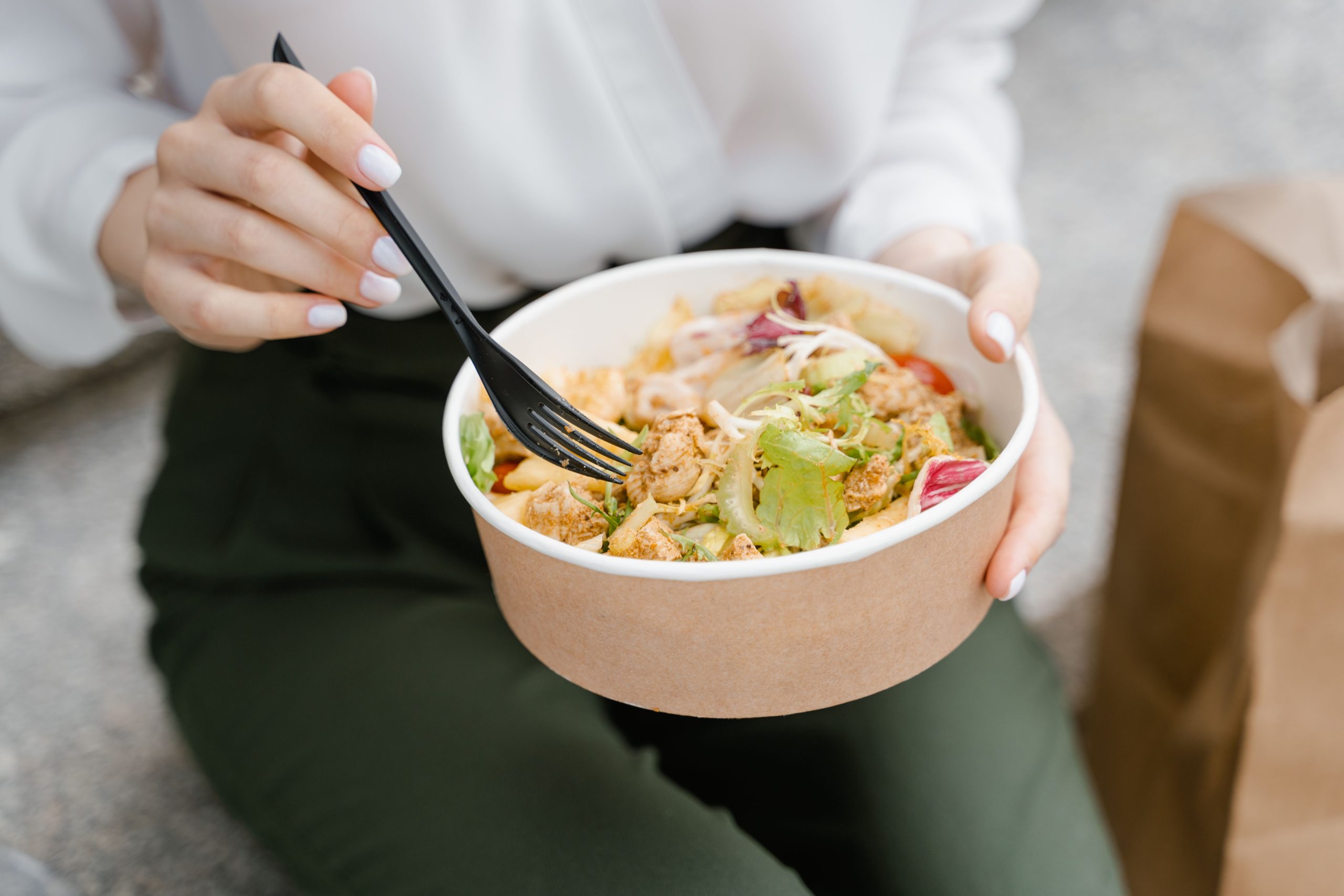
Photo by MART PRODUCTION
Start with portion size. Split the entree in half before you dig in, or save part for lunch. Then add a low-sodium side from home, such as cut fruit, plain yogurt, raw vegetables, or a small baked potato. That move stretches the meal without stretching the salt.
Drinks matter too. Skip the giant soda and choose water or unsweetened tea. Sugary drinks don’t lower sodium, and they often make a takeout meal heavier than it needs to be.
Potassium-rich foods can help balance your overall eating pattern. The American Heart Association points to foods like beans, potatoes, fruit, leafy greens, and yogurt as part of healthy nutrition. They don’t erase a salty dinner, but they do support a better rhythm across the day.
This is where the big picture matters. If you’re building a healthy living diet and exercise routine, takeout should support your week, not steal it. People who care about sports and exercise for long life need meals that help recovery, hydration, and blood pressure, not just meals that look lean on top.
That same mindset is part of nutrition to prevent illness. A calmer plate, fewer salty extras, and steady habits beat one “perfect” order followed by three careless ones.
Conclusion
The takeout bag isn’t the problem. The salt usually hides in sauces, toppings, soups, and oversized portions.
Choose simpler meals, ask for less seasoning, and keep condiments on the side. Those small shifts keep takeout inside a heart healthy diet and make healthy nutrition feel realistic on the busiest nights.
When your order looks a little plainer, your heart often gets the better meal.

0 Comments