The hardest part of eating well often isn’t cooking. It’s deciding what to eat when you’re tired, late, and hungry.
That’s where heart-healthy meal prep helps. A few cooked basics can turn a rushed Wednesday into a calm dinner, and that small shift makes a heart healthy diet easier to keep. The goal isn’t a fridge full of perfect boxes. It’s a week of meals that ask less from you.
Why meal prep helps your heart when life gets messy
Busy weeks push food choices toward whatever is fast, salty, and easy to grab. That’s why a healthy food diet often falls apart in traffic, after meetings, or between school pickups. Meal prep cuts off that slide early, because the next meal is already half done.
A heart-friendly pattern usually looks plain on paper. It leans on vegetables, beans, fruit, oats, whole grains, fish, yogurt, nuts, olive oil, and lean proteins. It also keeps sodium, added sugar, and saturated fat in check. The Mayo Clinic's guide to heart-healthy eating follows that same rhythm.
What changes with prep is not only the menu. It’s the timing. When dinner is waiting in the fridge, you don’t have to bargain with yourself at 8 p.m. That matters more than people admit, because good intentions are weakest when hunger is loud.
A strong prep routine removes decisions before they become cravings.
This is also where nutrition to prevent illness becomes real life, not a slogan. Repeated meals built from fiber-rich carbs, lean protein, and produce can support blood pressure, cholesterol, and weight goals over time. You don’t need gourmet recipes for that. You need repeatable meals that feel like healthy food, not punishment.
Build your week around a few repeatable foods
The smartest meal prep starts at the store. Pick a short list of foods that can become several meals with small changes. Two proteins, one grain, one bean, three vegetables, and two sauces can carry most of the week. If you need ideas, this heart healthy grocery list makes shopping less of a guess.
The pantry matters as much as the fridge. Canned beans, low-sodium tomatoes, oats, brown rice, whole-grain pasta, tuna, olive oil, nuts, and frozen vegetables save time and money. The American Heart Association’s pantry basics for meal prep are a useful check when you’re comparing labels.
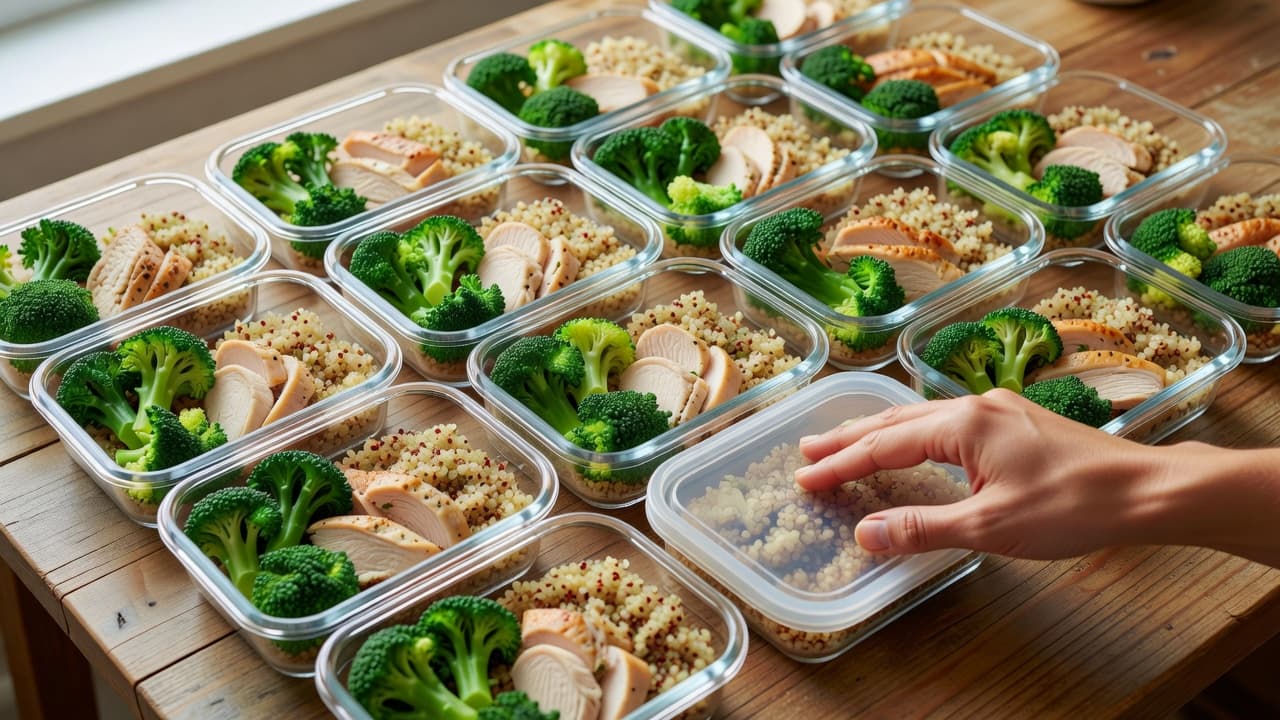
A simple formula keeps prep from becoming a Sunday marathon. Build meals around one base, one protein, plenty of produce, and a flavor booster. That is healthy nutrition at its most useful. It keeps meals steady without making every lunch taste the same.
Here is a simple mix-and-match setup that works for most busy households:
| Base | Protein | Produce | Flavor |
|---|---|---|---|
| Brown rice or quinoa | Salmon, chicken, tofu, or beans | Broccoli, peppers, carrots, greens | Lemon, herbs, salsa, tahini, yogurt sauce |
| Oats or whole-grain toast | Greek yogurt, eggs, or nut butter | Berries, banana, apple | Cinnamon, chia, walnuts |
| Whole-grain wrap or salad greens | Turkey, chickpeas, lentils | Cucumber, tomato, shredded cabbage | Hummus, olive oil, vinegar |
The table is simple on purpose. A healthy food plan doesn’t need ten recipes. It needs foods that repeat well, hold up in the fridge, and can shift with spices, herbs, or sauces. That’s how a healthy food diet stays alive past Monday.
A 60-minute meal prep routine for weekday lunches and dinners
Heart healthy meal prep sounds like a big Sunday project, but it works better as a short, focused session. Set aside about an hour. Turn on the oven, start a pot of grains, and work in batches while things cook.
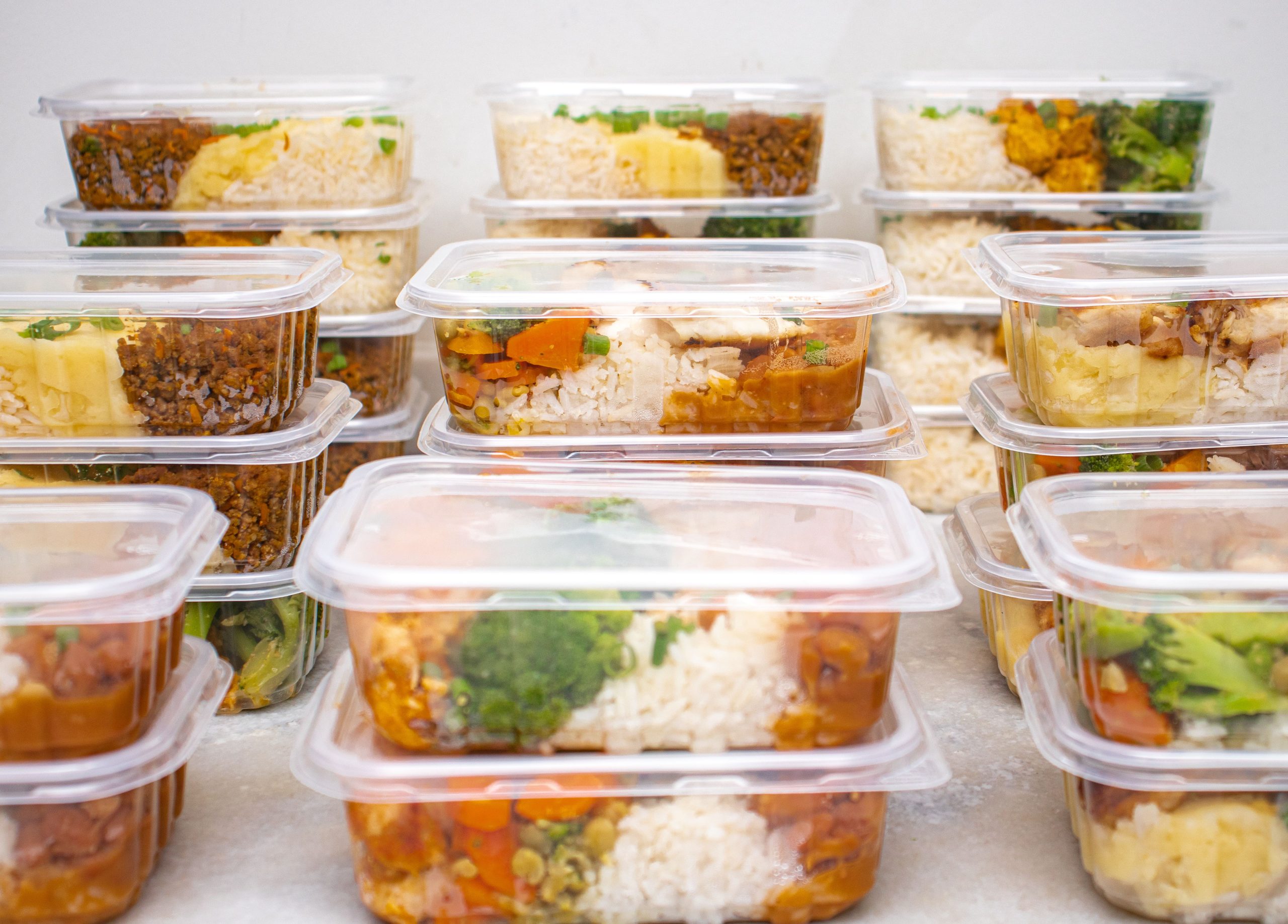
Photo by IARA MELO
This routine keeps the pace manageable:
- Heat the oven to roast vegetables and protein at the same time. A sheet pan of broccoli, cauliflower, or sweet potatoes cooks while chicken, salmon, or tofu roasts nearby.
- Start one grain and one egg-based item. Brown rice, quinoa, or farro can simmer while you boil eggs or whisk a veggie frittata.
- Wash and prep raw foods while the stove works. Slice cucumbers, rinse greens, portion fruit, and stir together a quick sauce with yogurt, tahini, or olive oil and lemon.
- Cool, portion, and store. Keep sauces separate, label the first meals you’ll eat, and freeze extra portions before they drift to the back of the fridge.
The best containers are the ones you already use. Glass works well for reheating, but any container with a tight lid is fine. Store cooked food in shallow portions so it cools faster. Put crisp items, like herbs or shredded lettuce, on top or in a separate cup.
Portioning gets easier when you use a plate pattern instead of calorie math. This simple heart healthy plate method keeps meals clear: half vegetables, one quarter lean protein, one quarter high-fiber carbs. It fits lunch bowls, dinner plates, and even grain salads.
Meal prep also pairs well with a healthy living diet and exercise routine. When you come home from a walk, gym session, or bike ride, your recovery meal is already waiting. That lowers the odds of grabbing chips, drive-thru food, or a frozen dinner loaded with sodium.
Keep your prepped meals interesting, and pair them with movement
Boredom ruins more prep plans than lack of time. The fix is not cooking five different dinners. Change the flavor, not the whole meal. Roast chicken can become a grain bowl with lemon and herbs one day, then a wrap with hummus and crunchy slaw the next.
Breakfast and snacks deserve attention too. Overnight oats, yogurt with berries, boiled eggs, fruit, and a small handful of nuts can steady appetite between meals. Those small choices protect dinner from turning into a free-for-all. If fiber is an area you want to improve, this weekly high-fiber meal plan offers practical ideas that fit prep days.
If you enjoy sports and exercise for long life, food timing matters. A balanced snack before activity can help energy, and a meal with protein plus carbs afterward can help recovery. That doesn’t need powders or fancy bars. A banana with peanut butter, yogurt with fruit, or a rice bowl with beans works well for most people.
You can also borrow ideas when your routine feels flat. This 7-day heart-healthy meal plan offers useful meal-prep patterns, even if you don’t follow it meal for meal.
The bigger picture is simple. A heart healthy diet is easier to live with when meals are already halfway done, flavors change through the week, and movement is part of the same rhythm. That’s what healthy living often looks like in real homes, not in perfect photos.
Conclusion
A busy week doesn’t need perfect discipline. It needs a fridge that makes the next good choice easy.
Prep a few basics, repeat the meals that work, and keep flavor in the plan. Over time, that steady rhythm builds healthy nutrition you can live with, and it gives your heart less work to do. When dinner is waiting, healthy choices stop feeling like a daily test.

0 Comments