A cereal box can promise whole grains, fiber, and energy, yet still hide several teaspoons of sugar. If you care about added sugar on labels, the trick is knowing where the truth sits and where marketing tries to distract you.
Once you see the pattern, shopping gets simpler. A healthy food diet, a heart healthy diet, and healthy nutrition all get easier when you can spot sweeteners fast. Start with the back of the package, not the front.
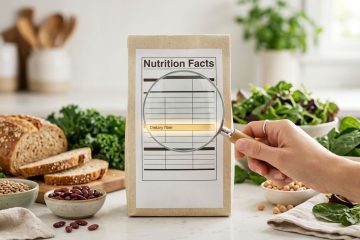
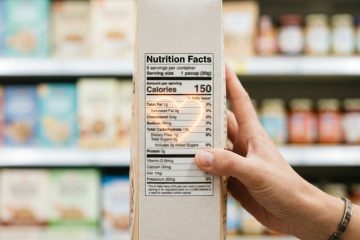
Read the Nutrition Facts panel first
The fastest clue sits on the Nutrition Facts label. Look for Total Sugars, then read the line right under it. If it says “Includes 12g Added Sugars,” some of that sweetness was put into the food during processing.
That detail matters because total sugar is a mixed bucket. Fruit has natural sugar. Milk has lactose. Plain yogurt can show sugar even when no sweetener was added. Added sugar is different. It includes sugar, syrups, honey, maple syrup, agave, and concentrated juice used to sweeten a product.
The amount also comes with a percent Daily Value. On a 2,000-calorie diet, the FDA sets the Daily Value for added sugars at 50 grams. The FDA’s guide to added sugars on the Nutrition Facts label shows the exact line to find and how it appears on packages.

The back label usually tells a straighter story than the front.
Next, check the serving size. This is where many shoppers get fooled. A bottle may look like one serving but hold two. A granola bag may seem snack-sized but list three servings. If you eat the whole package, you need to multiply the sugar.
“Total Sugars” and “Added Sugars” are not the same thing. Natural sugar in fruit or milk does not count as added sugar.
One more detail helps. Plain 100% juice contains natural sugar, and that does not count as added sugar by itself. However, fruit juice concentrate used to sweeten another product usually does count. That small difference explains why a fruit snack can sound wholesome and still land high on added sugar labels.
The ingredient list tells you how sugar got there
The Nutrition Facts panel tells you how much sugar was added. The ingredient list tells you how it got there.
Ingredients appear in order by weight, so the first few items matter most. If sugar or syrup shows up near the top, the product likely leans sweet even if the package looks healthy. Watch for names such as sugar, brown sugar, honey, maple syrup, agave, corn syrup, high-fructose corn syrup, and fruit juice concentrate.
Some products split sweetness across several ingredients. A cereal may use sugar, honey, and corn syrup, so no single sweetener takes the top spot. Still, the total can be high. That is why the ingredient list and the added sugar line work best together.
A healthy food can still come coated in sweetener. Organic granola sweetened with honey still contains added sugar. A protein bar with dates plus syrup can still push sugar high. “No high-fructose corn syrup” only tells you what is missing, not what replaced it.
Flavor often gives away the pattern. Plain yogurt usually has little or no added sugar. Vanilla, fruit-on-the-bottom, or dessert-style yogurt often carries much more. The same goes for oatmeal, nut butter, plant milk, and breakfast cereal.
The American Diabetes Association's label-reading advice is also useful here, especially when you compare carbohydrate, fiber, and sugar together. You get a clearer picture of how the food will fit into the rest of your day.
If you want one simple rule, keep this one in mind: when sweetness had to be put into the food, it usually counts as added sugar. That turns the ingredient list from tiny print into a clean signal.
Foods that look healthy but often carry added sugar
Hidden sugar often wears a health halo. It shows up in packages that suggest energy, fitness, clean eating, or convenience. For people building a heart healthy diet, the bigger traps are often in the breakfast aisle and the drink case.
People drawn to sports and exercise for long life often buy bars, gels, and recovery drinks that sound smart but read like candy. The same goes for flavored coffee drinks, bottled smoothies, and many “light” snacks. A healthy food diet gets easier when you buy plain versions and add your own fruit, nuts, or cinnamon.
If you are trying to shop with fewer surprises, this heart-healthy eating guide pairs well with label reading because it leans on less-processed basics.
Here are a few common trouble spots:
| Food | Why it looks healthy | What to check |
|---|---|---|
| Flavored yogurt | Protein and probiotics | Added Sugars per cup |
| Granola | Oats and nuts | Syrups in the first ingredients |
| Pasta sauce | Savory taste | Sugar or concentrate added |
| Bread | Not obviously sweet | Added Sugars per slice |
| Sports drinks | Workout image | Sugar per bottle and serving count |
The lesson is not to fear packaged food. The lesson is to stay alert where sweetness hides well. Bread does not taste like dessert, yet some brands add sugar. Pasta sauce can taste savory and still contain sweeteners. Plant milks can shift from unsweetened to dessert-like with one word on the carton.
This is where healthy nutrition becomes practical. You do not need perfect foods. You need clearer trade-offs. Most of the time, plain yogurt beats flavored, unsweetened milk beats vanilla, and whole oats beat sweetened packets. That is nutrition to prevent illness in everyday life, not a short-lived challenge.
Use a 30-second method in the grocery aisle
When time is short, use the same routine every time. It keeps your eyes on the facts, not the promises on the front.
- Check the serving size first.
- Look at the grams of Added Sugars and the % Daily Value.
- Scan the first five ingredients for sugar or syrup.
- Compare the plain version with the flavored one.
This method works because it strips away noise. It works for cereal, yogurt, bread, nut butter, protein bars, sauces, and drinks. It also works when a package says “natural,” “organic,” or “made with real fruit.” Those claims do not tell you how much sugar was added.
A package can look small and still contain two or three servings. If you eat it all, the sugar adds up fast.
For anyone committed to healthy living diet and exercise habits, that pause is worth it. Steadier meals often mean steadier energy for training, work, and sleep. If you are aiming for a heart healthy diet, lower added sugar also makes room for foods with more fiber, protein, and useful fats.
The NHS guide to food labels has a helpful reminder here: compare products side by side. One brand of bread or pasta sauce can look almost identical to another but carry much more sugar.
After the label check, meal planning gets easier. This 7-day high-fiber meal plan gives a good next step because it leans on oats, beans, fruit, vegetables, and other foods that do not need heavy sweetening. That is healthy nutrition you can repeat, and it fits a longer view of healthy living.
The label is your shortcut
The front of the package sells a story. The back of the package tells you what is really there.
Once you know where to find Added Sugars, read the serving size, and scan the ingredient list, hidden sweeteners lose much of their power. That small habit can shape a healthier food pattern for years, one cart and one label at a time.

0 Comments