A package can shout “high protein” or “made with real ingredients” and still carry more saturated fat than you expected. If you want a heart healthy diet, the back label tells the truth faster than the front.
Once you know where to look, reading saturated fat on food labels takes seconds. That small habit can steer your shopping, protect your heart, and make healthy nutrition feel less like guesswork.
What the saturated fat line on food labels really means
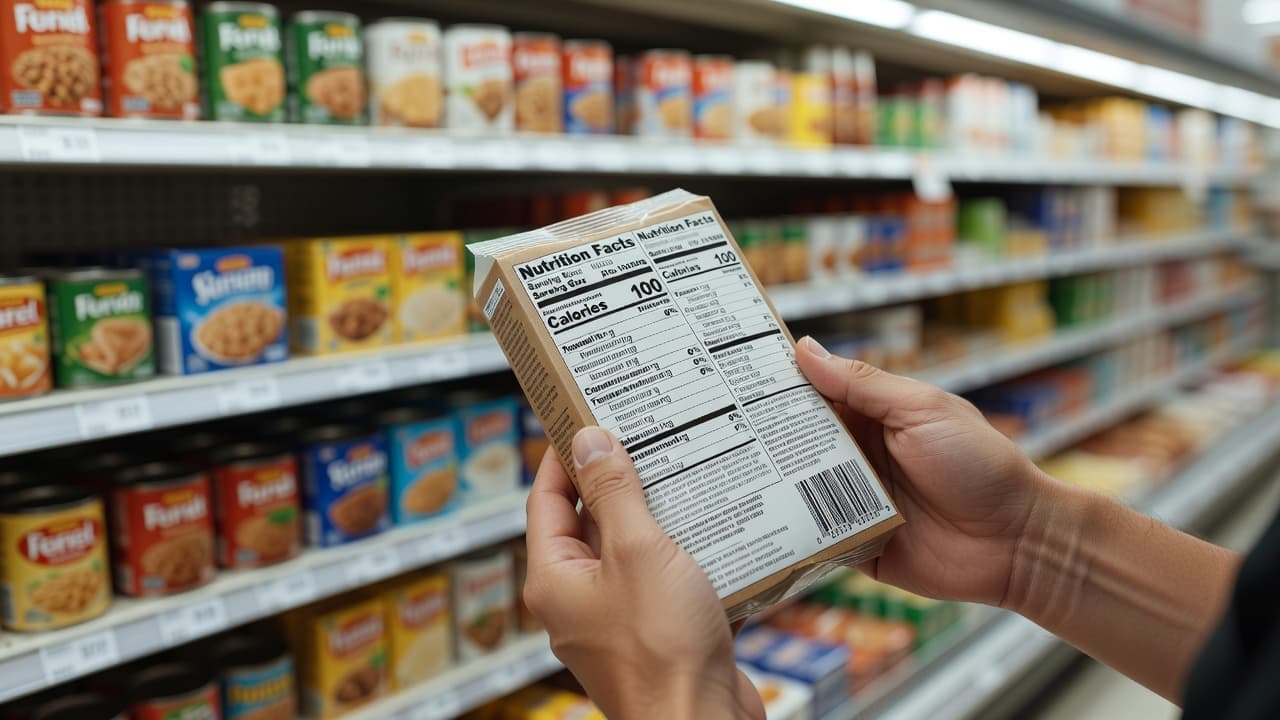
On a US Nutrition Facts panel, saturated fat sits under “Total Fat.” That line shows how many grams are in one serving of the food. It also shows a percentage of your daily limit, which helps you judge the number in context.
Start with serving size before anything else
Serving size is the gatekeeper. If you skip it, the rest of the label can fool you.
A frozen meal may list 4 grams of saturated fat, and that sounds moderate. But if the tray holds two servings and you eat the whole thing, you got 8 grams. The number did not lie. The serving size did the hiding.
That same trap shows up in coffee drinks, chips, trail mixes, and pint-sized desserts. Many packages look like one snack, yet the label treats them as two or three.
Use grams and % Daily Value together
The grams tell you the raw amount. The % Daily Value tells you whether that amount is small or large for the day.
According to the FDA’s guide to the Nutrition Facts label, the Daily Value for saturated fat on US labels is 20 grams. The American Heart Association’s label guide also gives a simple shortcut: 5% Daily Value or less is low, and 20% or more is high.
This quick table makes the math easier:
| Label detail | What it means | Quick read |
|---|---|---|
| 1 g saturated fat, 5% DV | A small amount per serving | Usually low |
| 4 g saturated fat, 20% DV | A large amount per serving | High |
| 6 g saturated fat, 30% DV | Nearly one-third of the daily limit | Very high |
| 3 g per serving, 2 servings eaten | 6 g total | Double the label amount |
A small gram number can still add up fast if the serving is tiny or the package holds more than one portion.
Front-of-pack claims do not cancel out a high saturated fat number.
How to compare products without getting fooled
Once you know where saturated fat sits, the next step is comparison. This is where shoppers save money, calories, and disappointment in one move.
First, compare foods in the same category. A yogurt should compete with another yogurt, not with almonds or cottage cheese. A frozen burrito should compete with another frozen burrito, not with a salad kit.
Next, line up the serving sizes. If one cereal shows values for 1 cup and another uses 2/3 cup, the lower number may not be the better deal. You need equal ground before you can judge.
The ingredient list helps too. Ingredients appear in order by weight. If butter, cream, cheese, palm oil, coconut oil, or shortening sits near the top, the product may carry more saturated fat than the marketing suggests.
Some foods hide it better than others. Watch these common spots:
- Bakery items such as muffins, croissants, and cookies.
- Processed meats, breakfast sandwiches, and frozen pizza.
- Creamy coffee drinks, dessert yogurts, and ice cream bars.
- Coconut-based snacks and some plant-based treats.
That last point catches many people. “Plant-based” does not always mean low in saturated fat. Coconut milk, coconut oil, and palm oil can push the number up fast.
If you shop with imported foods or read UK-style packaging, the NHS guide to food labels explains how per-100-gram values make brand comparisons easier. That format removes some of the serving-size tricks.
A healthy food choice often looks ordinary on the shelf. It may not have flashy claims. It simply has a better label.
Build a heart-healthier cart with a few simple checks
A healthy food diet is not built on perfect meals. It grows from steady, repeatable choices at the store.
When you compare two packaged foods, use this order:
- Check the serving size.
- Find the saturated fat grams and % Daily Value.
- Compare sodium, added sugar, and fiber.
- Look at the ingredients if the first numbers are close.
That approach works because saturated fat is only one piece of the picture. A granola bar with low saturated fat can still be loaded with added sugar. A soup with moderate fat can still be too salty. If you want a broader shopping framework, this heart healthy grocery shopping guide makes those tradeoffs easier to spot.
The goal is not to fear every gram. The goal is to keep high-saturated-fat foods from becoming your default.
For example, compare three breakfast options. A butter-heavy pastry may spend a large share of your daily saturated fat before work. A full-fat breakfast sandwich can do the same. Meanwhile, oatmeal with fruit and nuts usually leaves more room in your day for other foods. That is how healthy food choices shape a heart healthy diet over time.
This habit also supports nutrition to prevent illness. When you keep saturated fat moderate most days, you create space for foods that do more for you, such as beans, fish, vegetables, fruit, seeds, and whole grains. That is the quiet work of healthy nutrition.

If you exercise often, the label still matters
People who care about healthy living diet and exercise sometimes assume training cancels out poor packaged choices. It doesn’t work that way. A hard workout does not erase a daily pattern of high saturated fat intake.
This matters for active adults because convenience foods often wear a healthy halo. Protein bars, bottled shakes, frozen breakfast sandwiches, and “keto” snacks can pack more saturated fat than you expect. A bar with 6 grams uses 30% of the Daily Value in one shot.
If you care about sports and exercise for long life, aim for foods that support both performance and heart health. That usually means more unsaturated fats from nuts, seeds, olive oil, avocado, and fish, plus enough carbs and protein for training. You do not need zero saturated fat. You do need awareness.
The same label habit helps here. Compare brands, watch serving sizes, and keep your usual foods in a range that fits your day. Athletes and weekend walkers both benefit from the same plain truth: the body runs better on consistent choices than on label hype.
Saturated fat is also not the only line worth reading. Packaged foods that seem “fitness-friendly” can hide salt as well. If you want a stronger read on the full panel, this article on understanding nutrition labels for heart health adds another useful layer.
A healthy food diet and regular movement work best together. Food fuels the miles. Exercise gives those choices a job to do.
The label tells the truth
Reading saturated fat on food labels gets easier once you lock onto two things: serving size and % Daily Value. Most shopping decisions become clearer after that.
You do not need to memorize every rule in the grocery aisle. Read the serving, check the saturated fat, compare similar foods, and keep the bigger pattern in mind.
The front of the package sells a story. The back panel tells you whether that story fits your life.



0 Comments