The front of a package can sound like a sales pitch. The back label is where the facts live, and fiber is one of the numbers worth finding fast.
If you care about healthy nutrition, a healthy food diet, or a heart healthy diet, this small line on the label matters more than flashy claims. Once you know where to look, you can scan a box, bag, or loaf in seconds and make a smarter choice.
Find the fiber line first
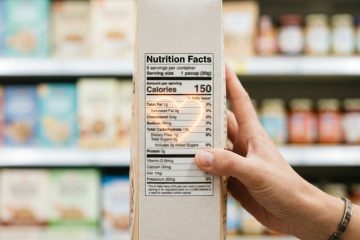
On most packaged foods, fiber sits inside the Nutrition Facts panel under Total Carbohydrate. You’re looking for the line that says Dietary Fiber, usually listed in grams per serving. Some labels also show a percent Daily Value, which adds a little more context.
Start with the grams. That number tells you how much fiber you get in the amount listed as one serving. Then glance at the percent Daily Value. The FDA’s guide to the Nutrition Facts label uses a simple shortcut: 5% Daily Value or less is low, and 20% or more is high.
That shortcut helps when two products look similar. A cracker with 1 gram of fiber per serving may sound fine until you compare it with another brand that gives 4 grams. Side by side, the better pick becomes clear.
The front of the box sells the product. The back panel tells the truth.
This matters because fiber supports more than regular digestion. It can help you feel full, support steady blood sugar, and fit into nutrition to prevent illness over time. For people building a healthy food diet, that makes fiber one of the quiet stars of the label.
Still, don’t stop at the number alone. If a product boasts “multigrain” or “made with whole grains” on the front, check whether the fiber line backs that up. A truly fiber-rich food often pairs that number with familiar ingredients such as oats, beans, lentils, or whole wheat.
Serving size can change the story
The fiber number only tells the truth if you read the serving size first. That’s where many shoppers get tripped up.
A cereal may show 5 grams of fiber, but that number might apply to a small serving you never pour in real life. If you eat twice that amount, you also double the calories, sugar, sodium, and everything else on the panel. The American Diabetes Association's advice on reading food labels makes this point well, because carbs and fiber only make sense in the right portion.
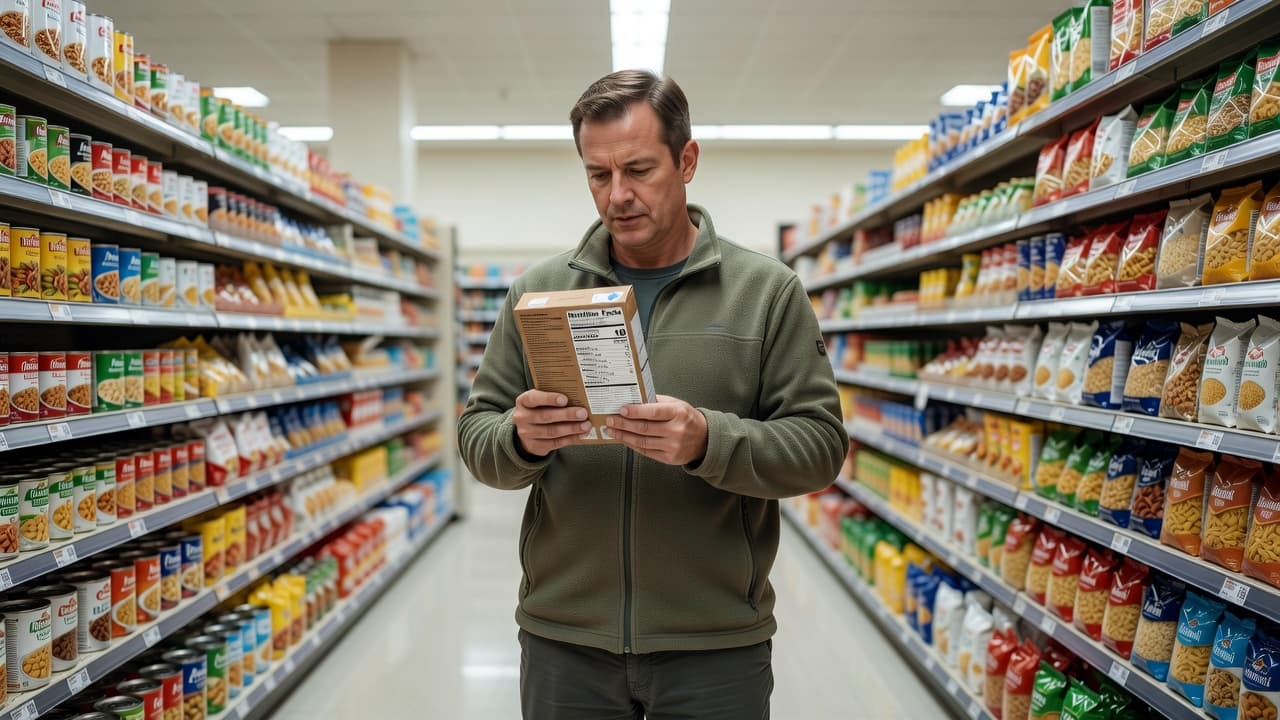
Compare products only after you line up the serving sizes. One bread might list fiber for one slice, while another uses two. One snack bar counts the whole bar, while a granola bag counts only a half cup. Without that check, label reading turns into guesswork.
This habit fits a healthy living diet and exercise routine because food choices don’t happen in a vacuum. If you’re active, fiber can help meals feel more satisfying and steady. That matters whether you’re walking daily, training at the gym, or thinking about sports and exercise for long life.
Breakfast is a good place to practice. Cereals often look healthy at first glance, yet the numbers can swing widely from box to box. If you want help with choosing heart-healthy breakfast cereals, focus on fiber, then check sugar and sodium right after.
What counts as a good fiber choice?
The best fiber target depends on the food. A loaf of bread doesn’t need the same number as a bowl of beans. Still, a few quick benchmarks make shopping easier.
This table gives simple starting points for common packaged foods:
| Food | A decent fiber target | What to check next |
|---|---|---|
| Breakfast cereal | 3 grams per serving or more | Added sugar, serving size |
| Bread | 2 grams per slice or more | First ingredient, sodium |
| Snack bars or crackers | 3 to 5 grams per serving | Added sugar, saturated fat |
| Beans, soups, grain sides | 5 grams per serving or more | Sodium, portion size |
The pattern is simple. Higher fiber is usually better, but only when the rest of the label still makes sense.
For example, a bar with 7 grams of fiber may still be a weak pick if it’s loaded with added sugar. A soup with beans may look great for fiber, yet sodium can climb fast. The NHS guide to reading food labels is a useful reminder that the whole label matters, not one shiny number.
When two foods have similar fiber, use the ingredient list as a tiebreaker. Whole foods and less-processed ingredients usually tell a better story. Oats, chickpeas, black beans, pears, chia, flax, and whole grains often bring the kind of fiber that fits healthy food choices for daily life.
That approach supports a heart healthy diet because it moves you toward foods that are filling and less refined. It also supports healthy nutrition for the long run, not only for one meal. If you want practical ideas for getting 30 grams of fiber daily, meal planning helps turn label reading into action.
Conclusion
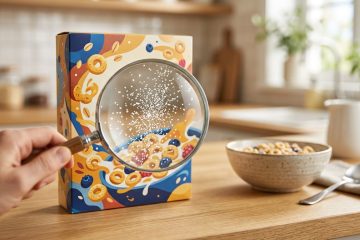
A fiber label doesn’t need a microscope or a math degree. You need three checks: find Dietary Fiber, confirm the serving size, and compare the grams with the rest of the panel.
The next time a package makes a big promise, turn it around. That quiet fiber number can guide a healthy food diet, support a heart healthy diet, and make nutrition to prevent illness feel a lot more doable.

0 Comments