Bland dinners can wreck good habits faster than dessert. The fix often isn’t more salt, it’s learning how salt-free seasonings make vegetables, eggs, beans, fish, and grains taste alive.
If you’re trying to eat more healthy food, flavor has to work on an ordinary Tuesday. A healthy food diet lasts longer when dinner smells like garlic, herbs, citrus, and warm spices instead of tasting flat and forgettable.
A few smart choices in the spice drawer can change the whole week.
Why cooking without salt still tastes good
Salt wakes up food fast, so it’s easy to depend on it. Yet many home cooks don’t realize how much sodium slips in through broth cubes, bottled sauces, deli meats, and spice blends that look harmless.
That matters in a heart healthy diet, because sodium adds up long before the meal tastes salty. The American Heart Association’s guidance on sodium and salt explains how quickly intake can climb, and a review in PubMed Central on sodium and low-salt diets links high sodium intake with higher blood pressure and cardiovascular risk.
Still, lowering salt doesn’t mean settling for dull food. It means asking other flavors to do more work. Garlic gives savoriness. Lemon brings lift. Cumin adds warmth. Rosemary makes potatoes smell like a real meal, not an afterthought.
The phrase healthy living diet and exercise often sounds big and distant. In real life, it shows up in small kitchen habits. One of the most useful is learning to season food boldly without leaning on sodium. If you want a simple plate idea, this blood pressure friendly meal guide shows how strong flavor fits vegetables, lean protein, and fiber.
This matters beyond heart health, too. If your goal is sports and exercise for long life, your meals need taste that keeps you coming back to beans, greens, fish, and whole grains. Healthy food shouldn’t feel like punishment. It should smell good before you even sit down.
The salt-free seasonings worth keeping close
You don’t need a drawer stuffed with thirty dusty jars. A small group of reliable seasonings will cover most weeknight cooking, and they’ll do it well.
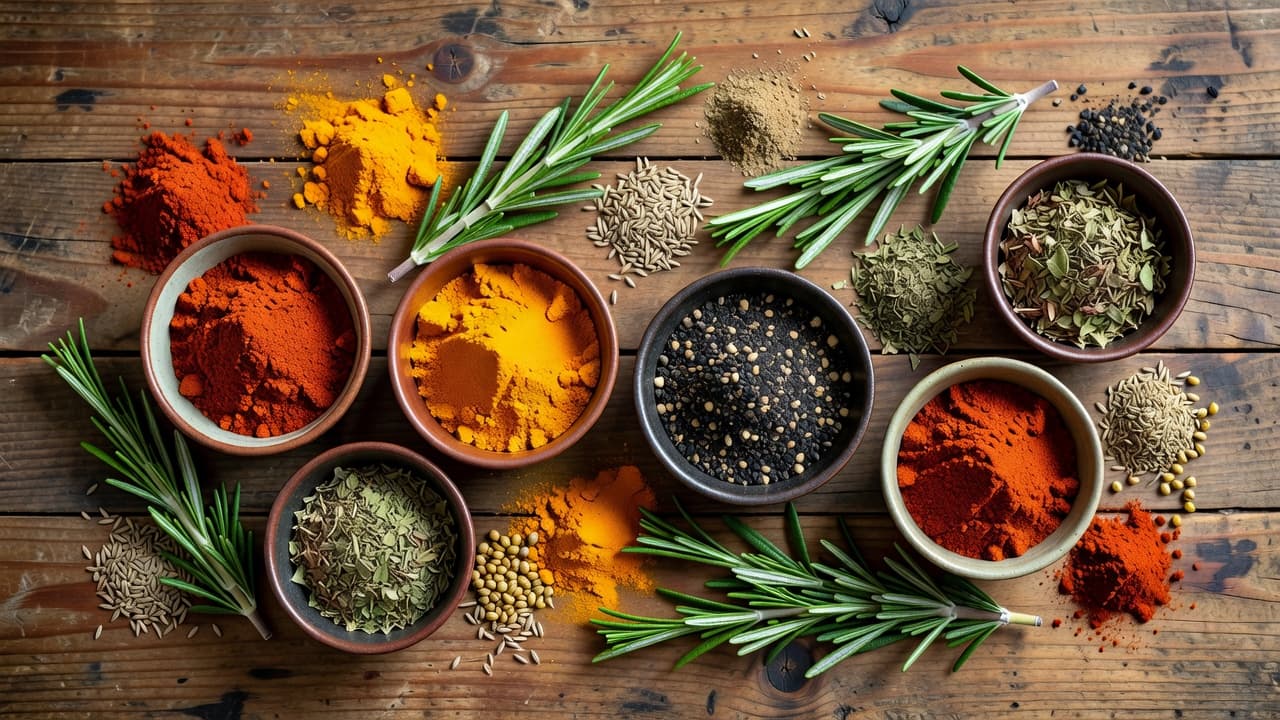
Start with the workhorses. Garlic powder and onion powder build a savory base. Black pepper adds bite. Paprika brings sweetness or smoke, depending on the kind. Cumin gives earthy depth, while oregano, thyme, rosemary, and basil cover most Mediterranean-style meals. Ginger and turmeric add brightness and warmth, especially in soups, grains, and stir-fries. Citrus zest is the quiet star, because it lifts flavor without adding liquid.
A simple starter set can look like this:
- Garlic powder, onion powder, and black pepper for daily savory cooking.
- Paprika and cumin for roasted vegetables, beans, tacos, and grain bowls.
- Oregano, thyme, rosemary, and basil for chicken, fish, pasta, and potatoes.
- Ginger, turmeric, and lemon zest for soups, rice, dressings, and quick sautés.
Fresh herbs help, but dried herbs still pull their weight. Rub dried rosemary, thyme, or oregano between your fingers before adding them. That wakes up the oils and makes the jar smell like something again.
Ready-made blends can save time, too. Good no-salt options include Bragg Organic Sprinkle, Tony Chachere’s No Salt Seasoning Blend, and blends from Dak’s. Just read the label. “Lemon pepper” often hides salt. So do garlic salt, seasoned salt, and bouillon-heavy mixes. If you’re cleaning up your shelves, these low-sodium pantry swaps can make the change easier.
A healthy food diet becomes easier when your pantry gives you fast wins. When the spice rack does its job, roasted cauliflower, scrambled eggs, or lentil soup stop tasting like a compromise.
How to match salt-free seasonings with everyday meals
Great seasoning isn’t random. Most strong meals follow a simple pattern: one savory note, one warm or herbal note, and one bright finish. In other words, garlic plus cumin plus lime will take you somewhere different than rosemary plus pepper plus lemon, even if the base ingredient stays the same.
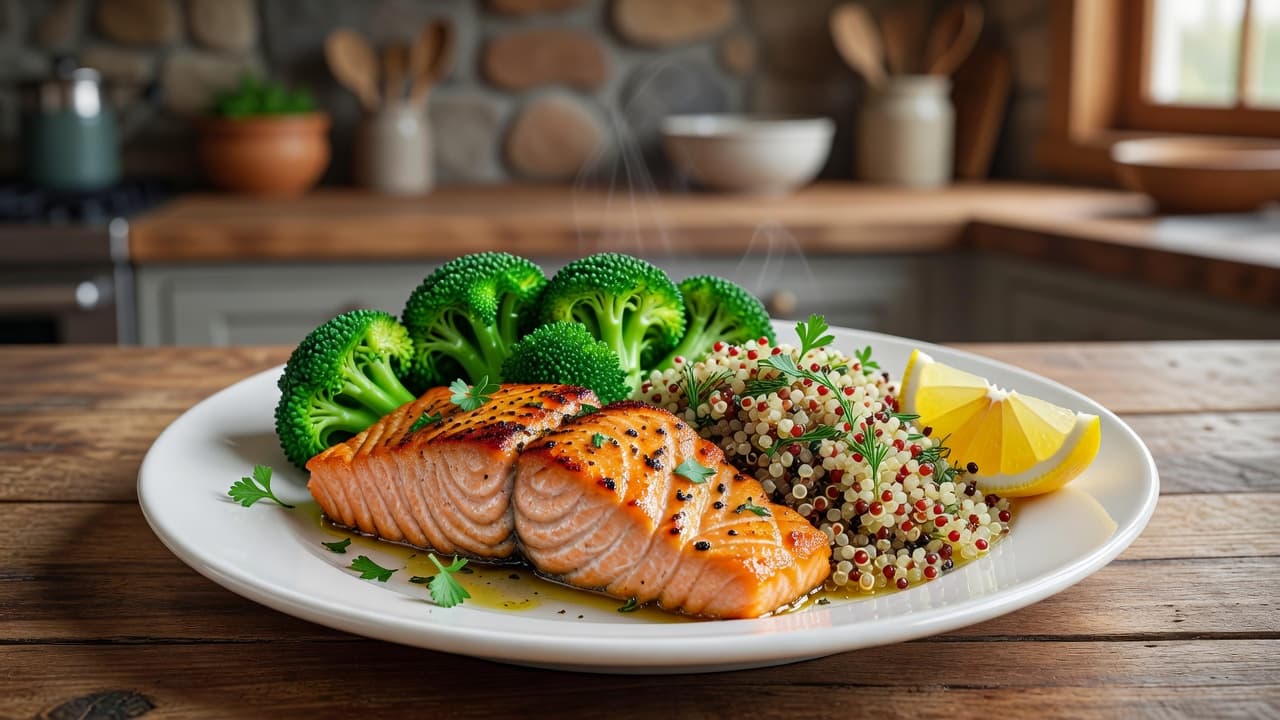
This quick guide makes pairing easier.
| Food | Good seasoning mix | Why it works |
|---|---|---|
| Eggs | Black pepper, chives, paprika | Adds bite and color |
| Roasted potatoes | Rosemary, garlic powder, pepper | Earthy and crisp |
| Beans or lentils | Cumin, onion powder, chili powder | Deep, hearty flavor |
| Fish | Dill or thyme, pepper, lemon zest | Fresh and clean |
| Broccoli or green beans | Garlic, red pepper flakes, lemon | Bright with a little heat |
The best combos often sound simple because they are simple. Salmon doesn’t need ten spices. It needs enough contrast to make the fish taste fuller. A bowl of beans doesn’t need salt to be satisfying if cumin and onion powder hit the pan first. Roasted carrots wake up with smoked paprika and pepper. Plain yogurt becomes a sauce with lemon, garlic, and herbs.
If a dish tastes dull, add acid before adding more spice.
That one habit saves many meals. A squeeze of lemon or a splash of vinegar can sharpen flavors faster than another spoonful of dried herbs. For extra support at the table, keep a few healthy condiments without added salt nearby, such as plain yogurt sauce, no-salt-added salsa, or a vinegar-based dressing.
The payoff reaches beyond taste. Denver Health’s page on the benefits of a low-sodium diet points to gains that go past blood pressure alone. For anyone focused on nutrition to prevent illness, cutting down on salty shortcuts is a practical move you can repeat every day.
Small cooking habits that make salt-free meals better
Seasoning choice matters, but timing matters too. Many people blame the spice when the real problem is when they used it.
Add dry spices to warm oil for a few seconds before liquid goes in. That short bloom deepens flavor. Toast whole cumin or coriander seeds before grinding if you have time. Add dried herbs early so they soften into the dish, and save fresh herbs and citrus zest for the end so they stay lively.
Texture helps as much as spice. Roasted vegetables taste fuller than steamed ones because browning adds sweetness and depth. A little char on broccoli, mushrooms, or chicken makes salt less necessary. So does a squeeze of lemon after cooking.
You can also build your own blends. Mix garlic powder, onion powder, paprika, black pepper, and oregano for an all-purpose rub. Or stir together cumin, chili powder, garlic, and a pinch of cayenne for beans and tacos. Once you find a blend you love, weeknight cooking gets much faster.
This is where healthy nutrition becomes easier to live with. You stop chasing “diet food” and start making normal food taste better. That shift matters if you’re trying to stay consistent with a heart healthy diet, support training, or simply eat more whole foods at home.
Most of all, don’t wait for a perfect plan. Use what you have tonight. Eggs, brown rice, frozen vegetables, canned no-salt beans, and a few smart spices can become dinner without much effort. That’s the kind of healthy nutrition people keep.
Conclusion
Good seasoning changes more than taste. It makes healthy food easier to choose again tomorrow.
When your meals lean on garlic, herbs, citrus, pepper, paprika, cumin, ginger, and turmeric, a lower-sodium plate stops feeling sparse. It starts feeling thoughtful, filling, and real.
The best salt-free seasonings don’t ask you to give up flavor. They teach your kitchen a wider language, and that’s a habit worth keeping.

0 Comments