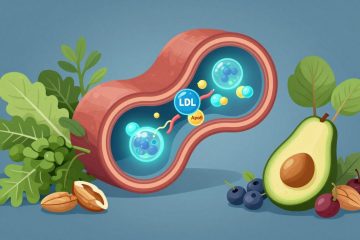
ApoB vs LDL: Which Number Matters More for Heart Disease Risk (and How to Lower ApoB With Food)

Your cholesterol results can feel like a tiny argument on a page. LDL Cholesterol sits there like the headline number, but Apolipoprotein B whispers, “Count the particles, not just the cholesterol.” If you’ve ever wondered which one actually tracks heart risk better, you’re not alone. Here’s the simple way to Read more
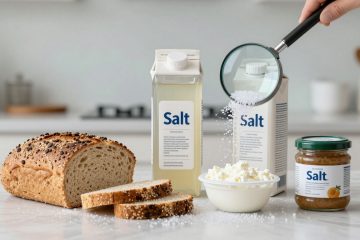
Hidden Sodium in “Healthy” Foods, a label-reading cheat sheet with real examples (bread, broth, cottage cheese, sauces)

You can build a fridge full of healthy food and still feel puffy, thirsty, or stuck with higher blood pressure than you’d like. How? Sodium sneaks in quietly, not as a salt-shaker habit, but as a background ingredient in foods that look like the “good choices.” This guide is for Read more

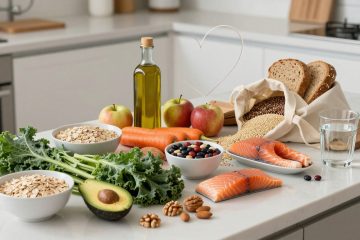
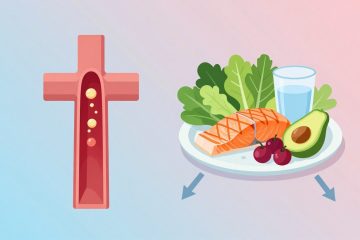
Cholesterol-friendly grocery list, 25 foods that support lower LDL (plus what to limit)

The most useful cholesterol-friendly groceries are oats and barley, beans and lentils, nuts and seeds, fatty fish, fruit and vegetables, and extra-virgin olive oil. They work through two mechanisms: soluble fibre that removes cholesterol from the body, and unsaturated fat that replaces the saturated fat raising your LDL in the Read more

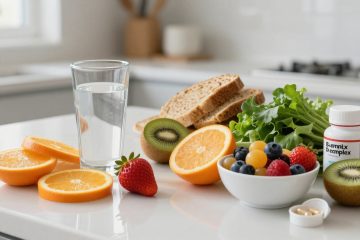
Water-Soluble Vitamins: What They Do, Where to Get Them, and How to Avoid Common Mistakes

It’s a busy day. Breakfast is a quick bite, lunch happens between meetings, and dinner lands late. Your body doesn’t care about the schedule, it still needs steady nutrients to keep energy, focus, and recovery on track. That’s where water-soluble vitamins come in. These vitamins mix with water, move through Read more

About what you read here. Everything on Living Healthy Advice is general information and our own editorial opinion. We research carefully and we say when the evidence is unclear, but we can be wrong, things change, and no article can know your particular situation. Please do your own research and make your own judgement rather than treating anything here as the final word. This is not medical advice, not a diagnosis, and not a substitute for speaking to a doctor or a registered dietitian about your own heart health and nutrition. We are writers and researchers, not clinicians. We do not recommend prescription treatments or give doses. If something is painful, getting worse, or worrying you, please talk to a professional — going early is not an overreaction.