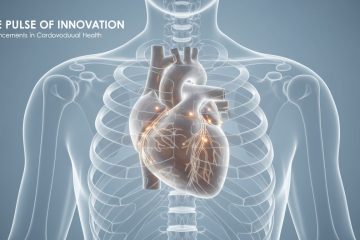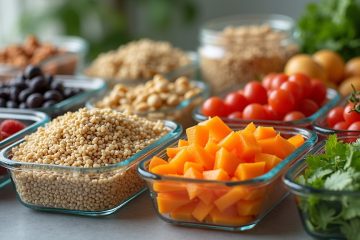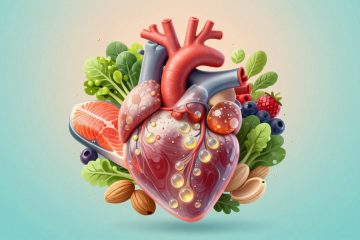
LDL Particle Number (LDL-P) vs LDL-C, what the difference means, when doctors order it, and how to improve it with a 3-week food focus

Doctor and patient reviewing an advanced lipid report If you’ve ever looked at your cholesterol results and thought, “My LDL is fine, so why is my doctor still concerned?”, you’re not alone. The confusion often comes from mixing up LDL-C with LDL particle number (LDL-P). Here’s the practical bottom line: Read more

Coronary Artery Calcium (CAC) Score Explained, what the numbers mean (0, 1-99, 100+), who should ask for it, and what to do next

Your heart can look calm on the outside while trouble builds in silence. That is the strange part about plaque. It can grow for years without warning signs, like rust spreading inside a pipe. A CAC score (coronary artery calcium score) helps spot that hidden buildup. It does not predict Read more

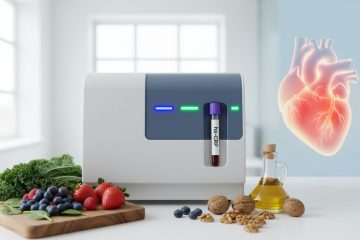
hs-CRP explained for heart risk: What Your Number Means, What Raises It, and a 14-day anti-inflammatory food checklist

If cholesterol is the “traffic” in your arteries, high-sensitivity C-reactive protein (hs-CRP) levels are more like the road’s weather report. Not a diagnosis, not a prophecy, but a real signal about inflammation that can make plaque more likely to crack and cause trouble. People who eat a careful healthy food Read more

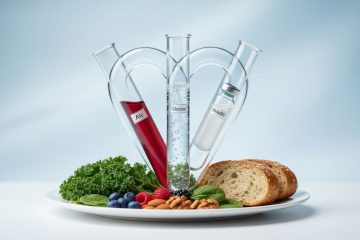
Blood test vial representing a lipoprotein(a) test for heart risk

Lipoprotein(a) Test Explained: What Lp(a) Means for Your Heart, Who Should Get Checked, and Habits That Still Matter

You can eat well, stay active, and keep your LDL cholesterol in a decent range, then a heart attack shows up in the family like an uninvited guest, signaling a family history of heart disease. That’s often when people hear a new term: Lipoprotein(a), or Lp(a). The lipoprotein(a) test is Read more

About what you read here. Everything on Living Healthy Advice is general information and our own editorial opinion. We research carefully and we say when the evidence is unclear, but we can be wrong, things change, and no article can know your particular situation. Please do your own research and make your own judgement rather than treating anything here as the final word. This is not medical advice, not a diagnosis, and not a substitute for speaking to a doctor or a registered dietitian about your own heart health and nutrition. We are writers and researchers, not clinicians. We do not recommend prescription treatments or give doses. If something is painful, getting worse, or worrying you, please talk to a professional — going early is not an overreaction.