Your teacup won’t fix high blood pressure on its own, but it can help your day move in a better direction. The right herbal brew can replace sugary drinks, slow you down, and give your heart one less thing to fight.
When people look up herbal teas and blood pressure, they usually want something simple, safe, and worth repeating. Some teas have better support than others, and all of them work best beside good meals, movement, and sleep. Start with the blends that earn a place in real life.
Why herbal tea can help, and where it can’t
Blood pressure rises for many reasons: sodium, weight gain, poor sleep, stress, low activity, genetics, and some medical issues. A mug of tea won’t erase those forces.
Still, a daily tea habit can help in a few honest ways. First, most herbal teas are caffeine-free, so they won’t give you the same jolt that bothers some people. Next, they often replace soda, sweet coffee drinks, or late-night alcohol. That swap alone can support steadier numbers.
A warm cup can also slow the pace of the evening. When you finish dinner with tea, you may be less likely to keep grazing on chips, cookies, or other salty snacks that push blood pressure the wrong way.
The research picture is mixed. Many tea studies focus on green and black tea, not herbs. A review on tea and blood pressure found that tea compounds may help blood vessels relax and work better, but herbal infusions don’t all carry the same level of proof.
Among herbal choices, hibiscus stands out. Others, like chamomile or lemon balm, may help more through stress relief and better sleep. If you already follow a heart healthy diet, tea can fit in smoothly. Yet no cup can outwork a salty takeout habit. A healthy food diet with less sodium still matters more than any leaf or flower.
The best herbal teas for blood pressure
Some teas whisper instead of shout. They support good habits, lower stress, and make water feel more comforting. That matters, because a habit only helps if you keep it.
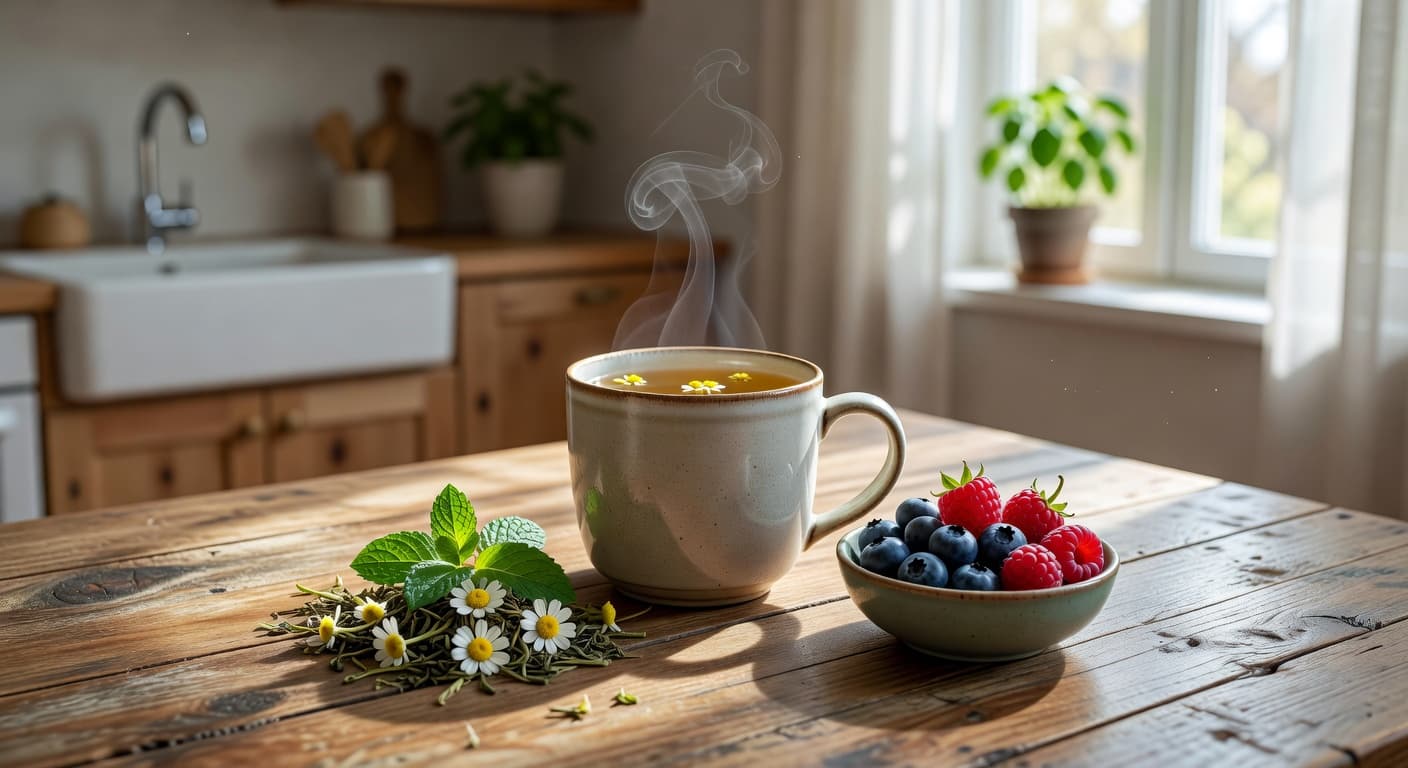
Hibiscus tea
Bright red and pleasantly tart, hibiscus is the front-runner. It has the clearest link with better blood pressure numbers among herbal options. In roundups like this overview of teas linked with lower blood pressure, hibiscus keeps coming up for good reason.
Its plant compounds, including anthocyanins and other polyphenols, may help blood vessels stay more relaxed. People who enjoy cranberry-like flavors often love it cold or hot. If plain water bores you, hibiscus can make the healthy choice feel less flat.
Because it can nudge pressure downward, use extra care if you already take blood pressure medicine or tend to run low.
Chamomile tea
Chamomile doesn’t have hibiscus’s direct track record, but it earns a place on the shelf. Stress, bad sleep, and a racing evening routine can push blood pressure the wrong way. Chamomile helps many people settle down before bed, and that calmer pattern can support better readings over time.
Its taste is soft and slightly apple-like. It pairs well with an after-dinner routine, especially if you want to stop snacking. If you take blood thinners or react to ragweed-family plants, ask your clinician before drinking it often.
Ginger tea
Ginger tea has a warm kick and works well after a heavy meal. Some people notice less bloating and easier digestion, which can make evening eating feel lighter. While the blood pressure evidence is not as strong as hibiscus, ginger may support circulation and fits well in a lower-sugar routine.
Fresh slices give the cleanest flavor. Skip the syrupy cafe versions, because sugar changes the whole point. High amounts of ginger can interact with blood thinners, so keep the habit moderate unless your care team says otherwise.
Rooibos tea
Rooibos is earthy, smooth, and naturally caffeine-free. It doesn’t have the same direct evidence as hibiscus, yet it can still be a smart choice for people who want a gentle cup later in the day. That’s useful if coffee makes you tense or hurts sleep.
Rooibos also brings plant compounds without bitterness. As part of a healthy nutrition routine, it can replace sweeter drinks and keep evenings steady. Sometimes that simple swap is what makes healthier choices stick.
Lemon balm tea
Lemon balm smells fresh and tastes light, almost like a garden after rain. Its main value is calm. If stress pushes you toward salty snacks, extra drinks, or a short temper at night, a soothing tea can change the tone of the evening.
This tea makes the most sense when your blood pressure climbs with stress or poor sleep. Check with a pharmacist if you take sedatives or thyroid medicine. When people search for the best herbal teas for blood pressure, they often want a tea that feels good every night, not only one with the strongest study record. Lemon balm fits that role well.
Tea works best with food, movement, and sleep
Tea helps most when the rest of the day isn’t working against it. That means meals with more plants, enough potassium, less sodium, and fewer ultra-processed foods. Tea is a helper, not a shield.
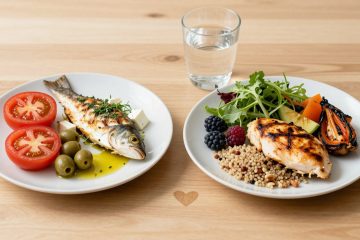
If you want a simple way to build meals, the blood pressure plate method keeps things practical. Half the plate goes to vegetables, while the rest makes room for lean protein and high-fiber carbs. That pattern turns a vague goal into a dinner you can see.
It also pays to keep a heart-healthy foods grocery list nearby. A kitchen full of beans, oats, greens, yogurt, fruit, nuts, seeds, and fish does more for long-term numbers than any tea tin. This is where healthy food becomes a daily habit, not a slogan.
Potassium matters too, because it helps balance sodium’s pull on the body. These potassium-rich foods for blood pressure make a smart match with unsweetened tea and water. Put simply, this is nutrition to prevent illness in everyday form.
Tea can support lower readings, but it can’t cancel a salty dinner, poor sleep, or skipped medication.
Most progress comes from healthy living diet and exercise done over and over. For people who care about sports and exercise for long life, tea can fit after a walk, ride, or strength session as a calming recovery ritual. A heart healthy diet paired with sleep and movement is still the center of the picture.
How to drink these teas safely and make them part of your routine
Simple habits beat heroic ones. A cup or two most days is more useful than a burst of enthusiasm followed by an abandoned box in the pantry. If you’re pregnant or taking regular medicines, check the label and ask your clinician before making any tea a daily habit.
This quick guide can help you pick a tea that matches your day.
| Tea | Best time | Flavor | Watch for |
|---|---|---|---|
| Hibiscus | Afternoon or with lunch | Tart, berry-like | Use care with low readings or blood pressure medicine |
| Chamomile | Evening | Soft, floral | Check before use with blood thinners |
| Ginger | After meals | Warm, spicy | Large amounts may affect blood thinners |
| Rooibos | Late afternoon or night | Smooth, earthy | Usually gentle, but blends vary |
| Lemon balm | Evening | Light, citrusy | Ask before frequent use with sedatives or thyroid meds |
The best choice often comes down to taste and timing. Hibiscus is the strongest pick for blood pressure support, while the others help more by making calmer, lower-sugar habits easier to keep.
Keep added sugar low. Honey sounds wholesome, but a heavy pour turns tea into dessert. If you want more flavor, add lemon, orange peel, mint, or cinnamon instead.
Also read labels. Some “relax” blends include licorice root, and licorice can raise blood pressure. That’s the opposite of what you want. For a broader look at tea types and common cautions, this guide to tea for high blood pressure is a useful starting point.
Brew strength matters too. If a tea tastes harsh, shorten the steep time rather than covering it with sugar. It also helps to keep a simple note on how you feel and what your home readings look like over a few weeks.
Choose one tea for daytime and one for evening. For example, hibiscus or ginger can work earlier, while chamomile, rooibos, or lemon balm fit at night. Keep the tea visible on the counter, because routines grow from what you can reach.
Final thoughts
Blood pressure often changes through small, repeated choices. Tea belongs in that story when it replaces sweeter drinks, helps you slow down, and sits beside healthy nutrition and better meals.
If you want the strongest herbal pick, start with hibiscus. If stress or sleep is your weak point, chamomile or lemon balm may fit better. The smart goal is a daily cup that supports the longer, steadier life you want.


0 Comments