The best low-sodium snacks to keep on hand are unsalted nuts and seeds, air-popped popcorn, plain rice cakes, low-sodium whole-grain crackers, baked veggie chips labeled 140mg sodium or less per serving, and homemade dips made without added salt. These options let you satisfy a craving for something crunchy or salty-tasting without blowing through your daily sodium budget, which most health authorities put at 2,300mg and closer to 1,500mg if you’re managing high blood pressure.
Snacking is where a lot of sodium sneaks in quietly. A single serving of flavored chips, pretzels, or cheese crackers can carry 200 to 400mg of sodium, and it’s easy to eat two or three servings without noticing. Since packaged and restaurant foods account for roughly 70% of the sodium in a typical American diet, according to the CDC, the snack cabinet is one of the easiest places to make a real dent in daily intake. This guide covers what to actually buy, what to make, and how to read the label so you’re not fooled by a bag that says “lightly salted” but still packs a punch.
What “low sodium” actually means on a label
Before stocking up, it helps to know the official language the FDA allows on packaging. “Low sodium” means 140mg or less per labeled serving. “Very low sodium” means 35mg or less. “Reduced sodium” only means the product has at least 25% less sodium than the regular version — it can still be high in absolute terms, especially with chips and crackers where the regular version was already salty. Always check the serving size too; a bag might list a modest sodium number per serving, but if the serving is a small handful and you’re realistically eating three, the math changes fast. This is one of the most useful habits from any broader look at low-sodium heart-healthy eating: read the serving size first, the sodium number second.
Best low-sodium snack categories to keep stocked
Unsalted nuts and seeds
Plain roasted or raw almonds, walnuts, pistachios, and pumpkin seeds are naturally low in sodium unless salt is added during processing, so the unsalted or “no salt added” versions are worth seeking out specifically. They also bring fiber, unsaturated fats, and plant compounds that are associated with supporting healthy cholesterol levels. If you want a deeper dive into which varieties tend to be the most useful for LDL management, see this guide to nuts for lowering LDL and this one on the best seeds for LDL.
Air-popped popcorn
Plain air-popped popcorn seasoned at home with herbs, a little smoked paprika, or nutritional yeast instead of table salt is one of the most volume-friendly snacks available — a large bowl can come in well under 140mg of sodium. Avoid the microwave “butter” varieties, which are frequently salted heavily to compensate for lost flavor from processing.
Rice cakes and whole-grain crackers
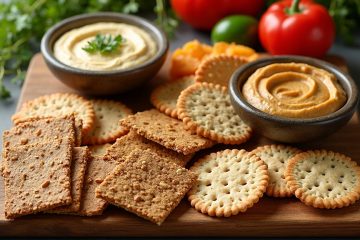
Plain rice cakes are typically very low in sodium and make a decent base for nut butter, avocado, or a low-sodium cheese spread. When shopping for crackers, look specifically for boxes marketed as low-sodium or unsalted, since standard whole-grain crackers can carry as much sodium per serving as chips despite looking “healthier.”
Baked veggie and bean chips
Baked chips made from beans, lentils, or vegetables aren’t automatically low in sodium just because they sound wholesome — check the label the same way you would for potato chips. Look for a sodium figure at or near the 140mg low-sodium threshold, and compare a few brands side by side, since formulations vary widely even within the same store shelf.
Homemade dips and spreads
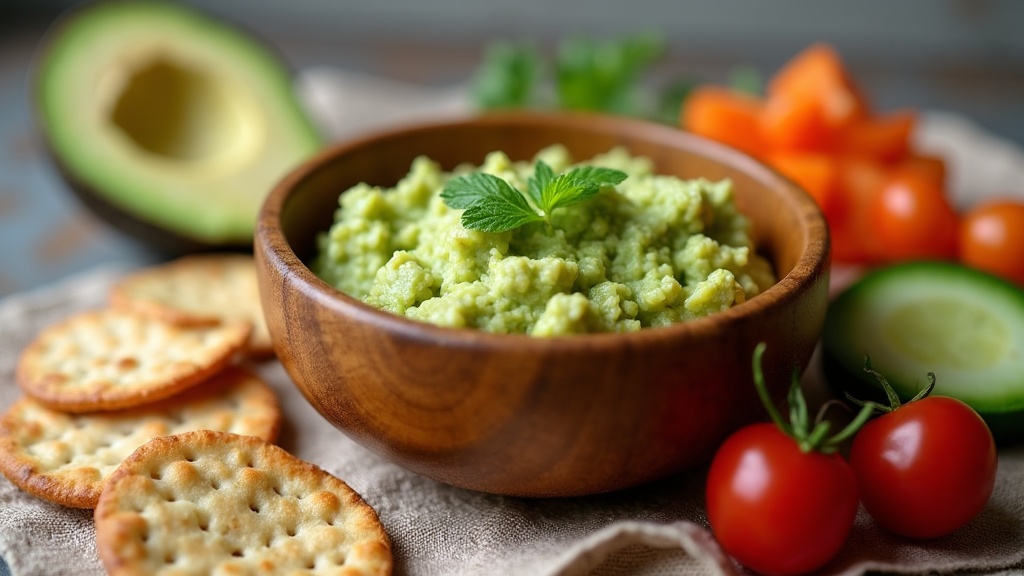
Store-bought dips, salsas, and dressings are common sources of hidden sodium in otherwise healthy-looking snacks — a topic worth reading more on in this rundown of hidden sodium in healthy foods. Making your own hummus, guacamole, or salsa at home lets you control the salt entirely, and pairing it with raw vegetables or unsalted crackers turns a snack into something closer to a mini version of a heart-healthy plate. If you do buy pre-made options, this guide to low-sodium condiments can help you compare labels faster.
A quick comparison of snack types
| Snack type | What to look for | Watch out for |
|---|---|---|
| Nuts and seeds | “No salt added” or raw/unsalted labeling | Honey-roasted or flavored coatings with added salt and sugar |
| Popcorn | Air-popped, home-seasoned | Microwave “butter” varieties, movie-theater style |
| Crackers | Low-sodium or unsalted whole-grain versions | Cheese-flavored or “everything” seasoned crackers |
| Chips | Baked veggie or bean chips near 140mg per serving | Kettle-cooked and flavored varieties, which run higher |
| Dips | Homemade or labeled low-sodium | Pre-made salsa, ranch, and cheese dips |
Balancing sodium with potassium
Sodium doesn’t act alone — the ratio between sodium and potassium in your overall diet is closely tied to blood pressure outcomes, which is why snacks built around vegetables, fruit, beans, and unsalted nuts tend to be a better everyday choice than processed chips even when the sodium numbers look similar. Pairing a low-sodium chip with a piece of fruit or a handful of unsalted edamame is a simple way to nudge that ratio in a more favorable direction; you can read more in this explainer on the sodium-to-potassium ratio and this list of potassium-rich foods for blood pressure.
Building a low-sodium snack shelf that works long-term
The easiest way to keep sodium in check isn’t willpower at the vending machine — it’s having better options already in the house. Keep a shelf or drawer stocked with two or three go-to items: a jar of unsalted almonds, a box of low-sodium crackers, and a bag of popcorn kernels for the air popper. Rotate in a homemade dip or a batch of roasted chickpeas on weekends. For a broader shopping framework that extends beyond snacks into pantry staples, the cholesterol-friendly grocery list and the heart-healthy foods hub are both useful starting points, and the low-sodium eating hub covers how snacks fit into your total daily sodium budget alongside meals.
Frequently asked questions about low-sodium snacks and chips
What chips have the least sodium?
Baked veggie, bean, or lentil chips labeled with 140mg of sodium or less per serving typically have the least, but formulations vary widely, so compare labels rather than assuming a brand is automatically low-sodium because it looks natural or is baked instead of fried.
Are pretzels a low-sodium snack?
Most standard pretzels are actually fairly high in sodium because salt is applied to the surface, where it’s tasted most intensely. Unsalted pretzel varieties exist and can work, but always check the label rather than assuming pretzels are a lighter option than chips.
Is popcorn good for a low-sodium diet?
Plain air-popped popcorn seasoned at home is one of the better low-sodium snack choices available, since it’s naturally low in sodium and high in volume and fiber. Pre-packaged flavored or microwave popcorn, however, is often salted heavily and should be checked on the label.
What snacks have no sodium at all?
Fresh fruit, raw vegetables, and plain unsalted nuts or seeds are close to sodium-free or contain only the small natural amount found in the food itself. Once a food is processed, seasoned, or packaged, sodium is almost always added during manufacturing.
How much sodium should a snack have?
A reasonable target for a single snack is well under 140mg, which matches the FDA’s “low sodium” labeling threshold, leaving room within a daily limit of 2,300mg or the tighter 1,500mg goal often used for high blood pressure once meals are accounted for.
Living Healthy Advice publishes general educational information, not medical advice. Talk with your doctor or a registered dietitian before making significant changes to your diet, especially if you have a heart condition, high blood pressure, kidney disease, or take prescription medication.
Related reading
low-sodium eating — link from any sodium topic, heart-healthy foods — link from any food topic, best low-sodium frozen meals, low-sodium soup brands.