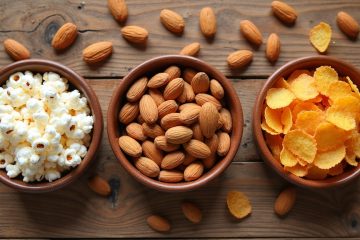
A cracker qualifies as “low sodium” if it has 140 mg or less of sodium per labeled serving, and the best heart-friendly options usually land between 0 and 140 mg while still offering whole grains and fiber. Because packaged snacks like crackers contribute to the roughly 70% of dietary sodium that comes from packaged and restaurant foods, choosing wisely here is one of the easier wins in a low-sodium eating pattern. The right cracker can replace a saltier chip or pretzel without leaving your snack drawer feeling like a punishment.
Crackers are not inherently bad for blood pressure or heart health — the problem is usually the sodium used to season and preserve them, along with refined flour and added fats that offer little nutritional benefit. This guide breaks down what to check on the label, which ingredients actually matter, and how to build a cracker-based snack that supports rather than sabotages a heart-healthy diet.
Why sodium in crackers adds up quickly
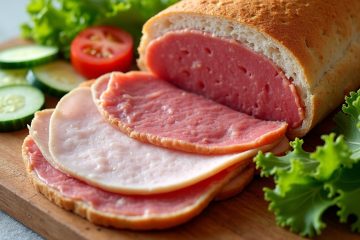
A single serving of crackers might look modest on paper, but most people eat two or three servings without realizing it — especially with dips, spreads, or cheese layered on top. If you’re working toward the general daily sodium limit of 2,300 mg, or the tighter 1,500 mg target often suggested for people managing high blood pressure, a few “innocent” handfuls of crackers can quietly use up a meaningful chunk of that budget. This is part of why hidden sodium in foods that seem healthy is such a common blind spot, and it’s worth treating crackers with the same label scrutiny you’d give to soup or deli meat.
Using a practical per-meal ceiling of about 600 mg of sodium is a useful mental check: if your cracker serving alone eats up 300–400 mg of that, there’s not much room left for the rest of the meal. This is one reason the low-sodium eating hub is worth a full read if crackers are just one piece of a bigger effort to cut back.
What the label claims actually mean
The FDA regulates sodium claims on packaged food, so these terms have consistent meanings across brands:
- Low sodium: 140 mg or less per serving.
- Very low sodium: 35 mg or less per serving.
- Reduced sodium: at least 25% less sodium than the regular version of that same product — which can still be fairly high if the original was salty to begin with.
- Unsalted or no-salt-added: no salt added during processing, though the food may still naturally contain some sodium.
“Reduced sodium” is the claim most likely to mislead a quick shopper, since a 25% cut from an already-salty cracker can still land well above the 140 mg low-sodium threshold. Always check the actual milligram number on the nutrition facts panel rather than relying on the front-of-box claim alone.
Ingredients that matter beyond the sodium number
A cracker with low sodium but almost no fiber or whole grain isn’t necessarily doing your heart many favors — it’s just a low-salt version of refined starch. Look for these details on the ingredient list and nutrition panel:
- Whole grains listed first: whole wheat, whole rye, brown rice, or oats as the primary ingredient generally means more fiber per serving.
- Fiber content: aiming for a few grams of fiber per serving helps crackers act more like a genuine heart-healthy food rather than empty filler.
- Fat type: look for crackers made with olive oil or other unsaturated oils rather than partially hydrogenated oils, palm oil, or heavy amounts of saturated fat.
- Added sugar: some “multigrain” or flavored crackers sneak in more sugar than you’d expect for a savory snack.
Seed-topped and flax- or chia-based crackers can also add a small fiber and healthy-fat boost, echoing the kind of ingredients found on lists of the best seeds for LDL support.
Comparing common cracker categories
Because exact sodium content varies by brand and even by flavor within the same product line, use the table below as a general guide to what to expect from each category — then confirm the real number on the package you’re holding.
| Cracker type | Typical sodium pattern | What to check |
|---|---|---|
| Classic saltine-style | Often near or above the low-sodium threshold | Look for unsalted-top versions |
| Whole-grain wheat crackers | Varies widely by brand | Compare fiber grams alongside sodium |
| Seed and flax crackers | Can be lower if unsalted seeds are used | Watch for added salted nuts or cheese coatings |
| Rice cakes / rice crackers | Plain versions tend to be lower | Flavored coatings can add sodium back |
| Cheese-flavored crackers | Usually higher due to cheese powder and salt | Pair with fresh, unsalted toppings instead |
Building a heart-smart cracker snack
The cracker itself is only half the equation — what you put on it matters just as much. A few practical swaps:
- Choose a low-sodium condiment such as a no-salt-added hummus or a light dip instead of a salty spread; the guide to low-sodium condiments has more specific ideas.
- Pick a lower-sodium cheese, or use a small portion of a stronger-flavored cheese so you need less of it, following the same logic covered in the low-sodium cheese guide.
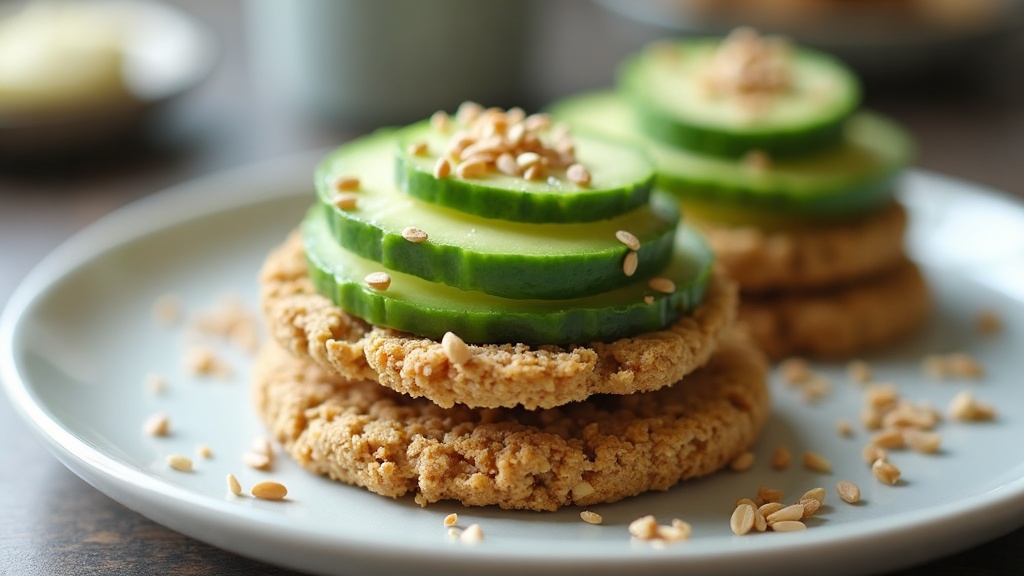
- Add fresh vegetables like cucumber, tomato, or bell pepper slices, which help you toward the goal of 5+ combined servings of vegetables and fruit per day while diluting the overall sodium density of the snack.
- Balance sodium with potassium-rich toppings such as avocado or unsalted nut butter, since the sodium-to-potassium ratio matters as much as the sodium number alone.
If you’re following a broader eating pattern like the DASH diet meal plan, crackers can absolutely have a place — the key is treating them as a vehicle for fiber, healthy fats, and vegetables rather than a delivery system for salt.
Reading between the lines on packaging
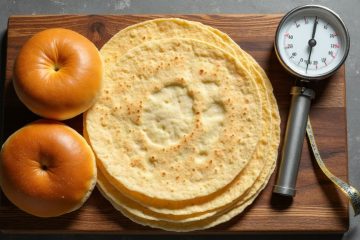
Serving sizes on cracker boxes are often smaller than what people actually eat in one sitting, so the sodium-per-serving number can undersell how much salt you’re really consuming. It helps to physically measure out one serving the first time you open a box, just to see what it looks like. Organizations such as the American Heart Association and the Centers for Disease Control and Prevention both publish general guidance on reading sodium labels and building lower-sodium habits, which can be a useful supplement to label-reading in the moment.
Frequently asked questions about low-sodium crackers
What crackers have the least sodium?
Plain rice crackers, unsalted-top saltines, and certain whole-grain or seed-based crackers labeled “low sodium” or “very low sodium” tend to have the least, often at or below the 140 mg per serving threshold. Always confirm the exact number on the nutrition facts panel, since formulas vary by brand.
Are whole-grain crackers automatically low in sodium?
No, whole-grain crackers are not automatically low in sodium — whole grain refers to the flour used, not the seasoning added during processing. Some whole-grain crackers are saltier than plain refined-flour versions, so check the label rather than assuming.
Can I eat crackers if I have high blood pressure?
Crackers can generally fit into a blood-pressure-friendly diet if you choose low-sodium options and watch portion size, since packaged snacks are a major source of excess sodium. Pairing crackers with vegetables and lower-sodium toppings makes them easier to fit into a daily 1,500–2,300 mg sodium range.
What should I look for instead of just “low sodium” on cracker labels?
Beyond the sodium number, look for whole grains listed as the first ingredient, a few grams of fiber per serving, and unsaturated oils rather than saturated or partially hydrogenated fats. These details determine whether a cracker supports a heart-healthy pattern or is simply a low-salt refined snack.
Are gluten-free crackers lower in sodium than regular crackers?
Not necessarily — being gluten-free is about the type of flour used and has no direct relationship to sodium content. Some gluten-free crackers rely on extra salt or cheese flavoring to make up for texture differences, so the nutrition label still needs to be checked individually.
Living Healthy Advice publishes general educational information, not medical advice. Talk with your doctor or a registered dietitian before making significant changes to your diet, especially if you have a heart condition, high blood pressure, kidney disease, or take prescription medication.
Related reading
low-sodium eating — link from any sodium topic, heart-healthy foods — link from any food topic, best low-sodium frozen meals, low-sodium soup brands.