A cereal box can promise your heart the moon, then hide sugar in plain sight. If you want heart healthy cereals that support healthy cholesterol levels, steady energy, and a calmer morning appetite, the best choice usually looks plain at first glance.
That is good news, because these options do not need to be fancy or costly. A few simple label checks can help you find a bowl that fits a heart healthy diet, supports your long term cardiovascular wellness, and still tastes good. Start with what makes one cereal better than another.
Key Takeaways
- Prioritize whole grains: Choose cereals where the first ingredient is a whole grain like oats, wheat, or barley, which provide essential fiber to support heart health.
- Check the nutrition label: Ignore flashy front-of-box marketing and focus on the back panel, aiming for at least 3-5 grams of fiber and 6 grams of sugar or less per serving.
- Add your own nutrition: Transform plain, heart-healthy bases by adding fresh fruit, nuts, seeds, or plain yogurt instead of relying on pre-sweetened or processed options.
- Watch out for hidden sugar: Be wary of “health-halo” labels like organic or gluten-free, as these products often still contain significant amounts of added sugar or syrups.
What makes a cereal good for your heart
Heart health starts with healthy food you can recognize. The strongest cereals are built on whole grains, such as oats, wheat, barley, or brown rice, rather than refined grains and syrup.
Whole grains matter because they provide essential nutrients and dietary fiber, which is one of breakfast’s best gifts to your arteries. Soluble fiber, particularly the beta-glucans found in oats and barley, helps move LDL cholesterol out of the body, playing a key role in the prevention of heart disease. That is why Harvard Health's guide to healthy cereal points readers to whole grains first and higher fiber counts per serving.
A useful floor is 3 grams of fiber per serving, and 5 grams or more is even better. When checking labels for a high fiber breakfast, keep added sugar low, ideally around 6 grams of sugar or less when you can. If you keep an eye on blood pressure, sodium levels matter too.
A healthy food diet often begins with plain staples, and cereal can fit that pattern. The box may look humble, yet the numbers tell the real story. When the ingredient list opens with whole grains and the sugar line stays modest, breakfast starts working for you instead of against you.
Cereal can also help you stay full longer, which makes the rest of the day easier. That matters because refined grain options often trigger blood sugar swings that push people toward snacks that crowd out better choices. If you want more ideas for boosting intake across the day, this guide to foods rich in heart healthy soluble fiber gives practical food pairings that work well beyond breakfast.
Many boxes miss the mark, even when the front label flashes words like natural or wholesome. Honey coatings, marshmallows, sweetened clusters, and yogurt covered bits can turn a breakfast food into dessert with a spoon. Your heart does not care about the cartoon on the box. It responds to the total grams of fiber, the amount of sugar, the sodium content, and the quality of the grain itself.
The best breakfast cereals to keep in your pantry
These cereal styles usually give the best return for your spoon when you are looking for heart-friendly options.
| Cereal type | Why it helps | What to watch for |
|---|---|---|
| Oatmeal | Rich in whole grains and soluble fiber | Flavored packets often add sugar |
| Bran flakes | Strong fiber content, often good for LDL | Check sodium, added sugar, and serving size |
| Shredded wheat | Whole grain, simple ingredient list | Frosted versions change the picture |
| Muesli | Whole grains, nuts, seeds, and chew | Granola-style blends can get sugary fast |
| Granola | Provides texture and energy | High levels of added sugar and oil |
The best heart healthy cereals are often the simplest boxes on the shelf.
Oatmeal and oat bran still lead the pack
Oats have earned their place. They are filling, easy to dress up, and tied to better cholesterol numbers when eaten often as part of a balanced pattern. If LDL is your main target, the case for oats and barley is especially strong, and this article on oats and barley for heart health shows how these grains fit into day-to-day meals. Eating oatmeal regularly is a fantastic habit, and if you prefer a cold option, Cheerios remain a classic toasted oat staple that fits easily into a heart-conscious diet.
Dietitians quoted in EatingWell's cereal picks for heart health place bran cereal near the top. These cereals usually deliver a high fiber count without much fuss.
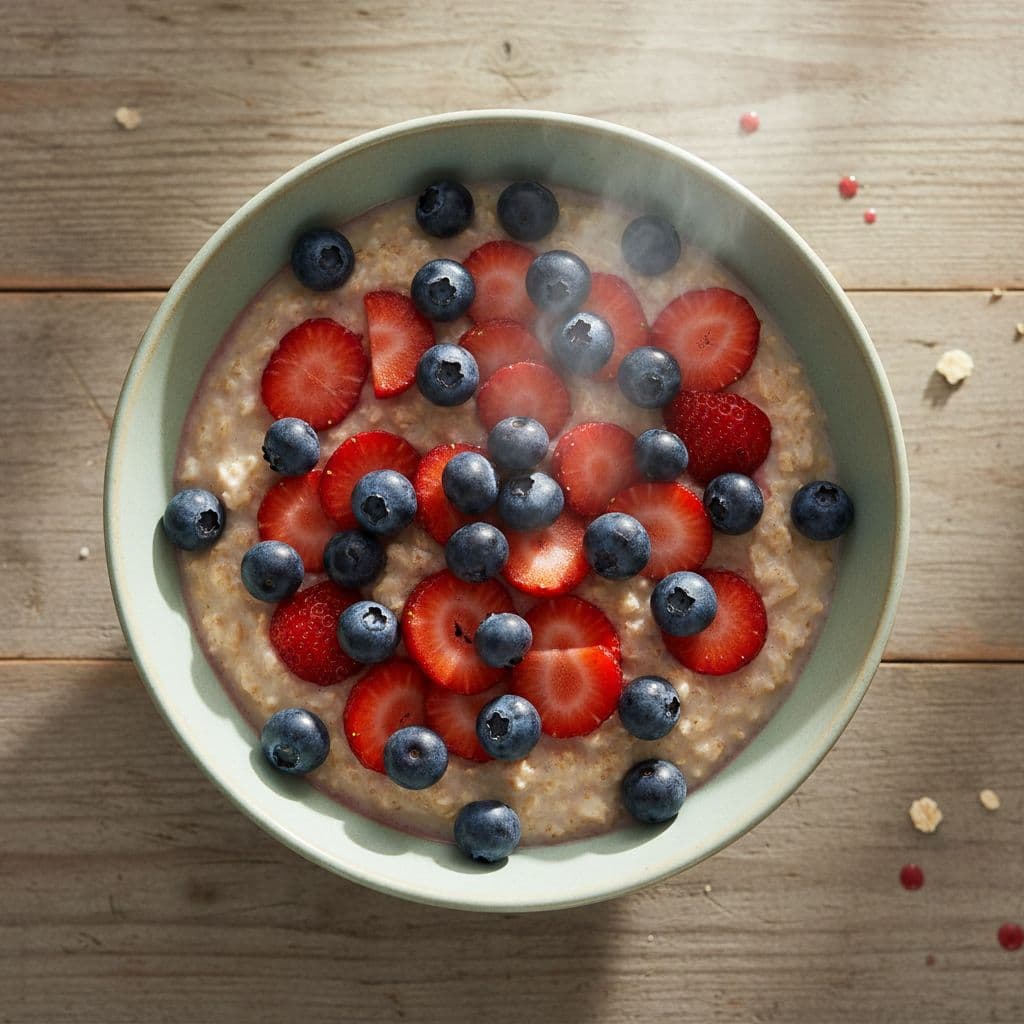
Old-fashioned oats, steel-cut oats, and plain oat bran all deserve space in a smart pantry. What matters most is what you add to your oatmeal. Fresh fruit, chopped walnuts for healthy fats, ground flaxseed, or a spoon of plain yogurt lift the bowl. Brown sugar, syrup, and candy-like mix-ins drag it back down.
Bran and shredded wheat give you fiber without much drama
Bran cereals can be excellent, but the label needs a hard look. Some are true fiber powerhouses, while others are sweet enough to blur the line between cereal and snack mix.
Plain shredded wheat is one of the quiet winners in the aisle. It often contains little more than whole wheat, and it gives you grain structure your body has to work through. Similarly, Grape-Nuts offer a dense, whole-grain crunch that keeps you satisfied for hours. If you want even more nutritional variety, look for cereals made with sprouted grains, which can be easier to digest and higher in certain vitamins. Some of the options highlighted in Healthline's roundup of healthier cereals follow this same pattern of simple ingredients.
If you choose bran flakes, look past the front label. Raisin-heavy blends can pile on sugar, and frosted versions lose the point. A better move is plain bran cereal with your own sliced banana or berries on top.
Unsweetened muesli works, but granola needs caution
Muesli can be a strong breakfast when it stays close to its roots. Rolled grains, nuts, seeds, and a little dried fruit give you texture and steady fuel. Add milk or yogurt, and it becomes satisfying fast.
Granola is trickier. Many bags are held together with syrup, oil, and enough added sugar to make portions tiny. If you love granola, use it like a topping, not the whole bowl. A quarter-cup over oatmeal or plain shredded wheat gives crunch without turning breakfast into a sugar pile.
How to read the cereal box in 30 seconds
The front of the box is sales copy. The nutrition label is the truth.
Turn the box around before it goes in your cart. The ingredient list and nutrition panel tell you more than any heart-shaped logo.
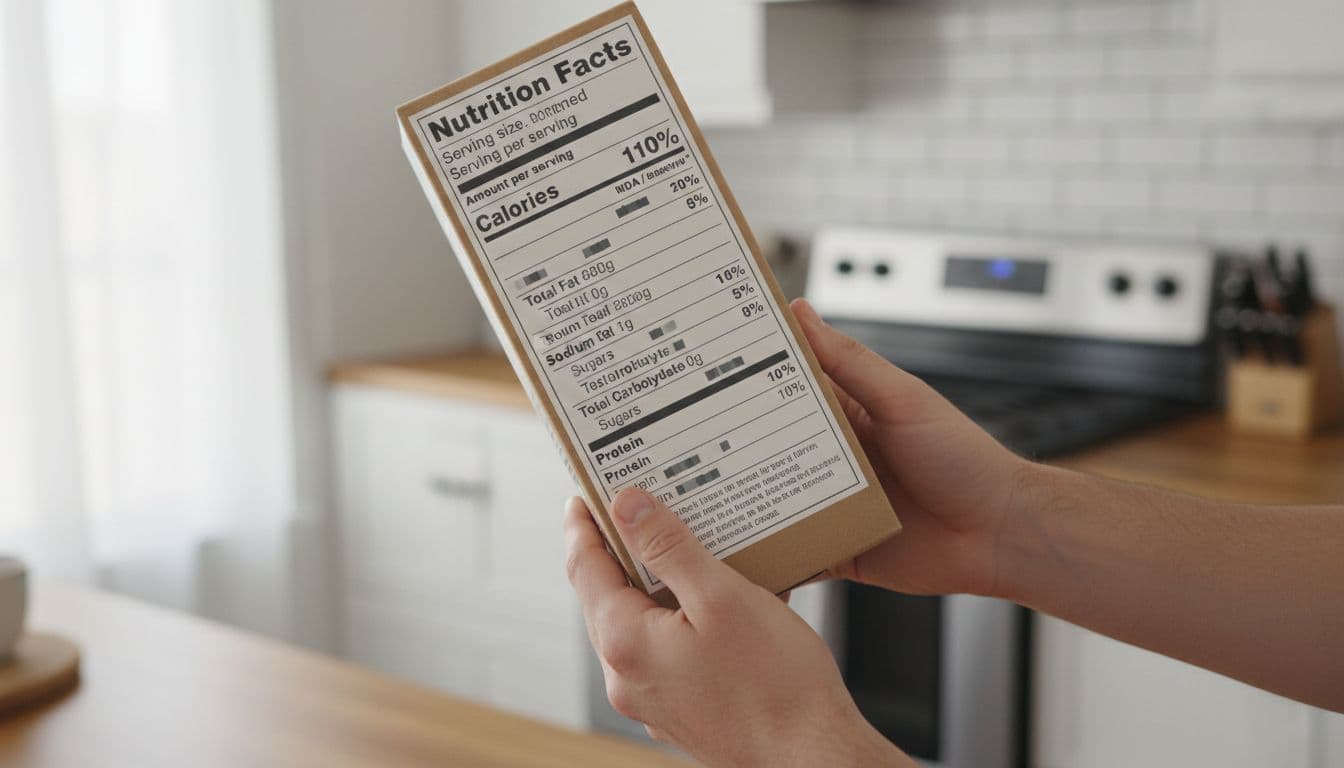
A fast label check does not need a calculator. It needs a little practice and a willingness to ignore flashy claims.
- Look at the first ingredient. It should say whole oats, whole wheat, bran, barley, or another whole grain.
- Check the serving size before you trust the numbers. A tiny serving size can make a sugary cereal look better than it actually is.
- Aim for at least 3 grams of fiber per serving, and aim higher when you see 5 grams of fiber or more.
- Keep added sugar low. Remember that names like cane syrup, honey, brown rice syrup, and fruit juice concentrate still contribute to your total grams of sugar.
- Watch your intake if you eat cereal often, and prioritize low sodium options if blood pressure is already a concern.
For an easy rule of thumb, Sweet Spot Nutrition's cereal guide suggests at least 4 grams of fiber, no more than 8 grams of sugar, and under 140 milligrams of sodium per serving. You do not need to treat those numbers like law, but they give you a useful filter when store shelves feel crowded.
Also, watch for health halos. Labels like organic, gluten-free, multigrain, and protein-packed do not always mean heart-friendly. A cereal can wear every clean-eating badge in the store and still bring too much added sugar for too little fiber.
How to build a heart-smart breakfast around cereal
Cereal acts as the base for your meal, but it should not be the entire focus. A better bowl integrates protein, fresh fruit, and healthy fats. This simple strategy supports healthy nutrition because it slows digestion and helps you feel satisfied for longer.
Try oatmeal topped with berries and walnuts for a dose of omega-3 fatty acids, or shredded wheat combined with plain Greek yogurt and sliced pear to boost the protein content of your meal. Unsweetened muesli also pairs perfectly with soy milk, chia seeds, flaxseed, and apple. If you need more inspiration, these high-fiber cereal options can help you transform a quick breakfast into a balanced, high fiber start to your day.
This is where a heart healthy diet becomes a real habit rather than just a headline. Your breakfast bowl should support your energy levels for the rest of the day. In the long run, healthy living, diet, and exercise habits matter more than any single brand name.
People who prioritize sports and exercise for long life should pay extra attention to breakfast quality. A bowl built on whole grains, fresh fruit, and adequate protein provides steady fuel for walks, rides, strength training, and busy mornings. That is a much better deal than choosing a sugary cereal that burns through your energy in an hour.
A healthy food diet also leaves plenty of room for flavor. Cinnamon, blueberries, toasted pecans, and plain cocoa can make your cereal feel warm and indulgent without relying on added sugar. Over time, that pattern becomes nutrition to prevent illness, which is a vital step in reducing the risk of heart disease rather than just focusing on calories to get through the morning.
Frequently Asked Questions
How much sugar should a breakfast cereal have?
Look for 6 grams of added sugar or less per serving, and ideally under 4 grams. Read the “Added Sugars” line rather than “Total Sugars,” since cereals with dried fruit carry natural sugar that counts differently. Anything above 10 grams per serving is closer to a dessert than a breakfast.
What is the healthiest low-sugar breakfast cereal?
The healthiest cereals meet four tests at once: a whole grain listed first, at least 5 grams of fiber, no more than 6 grams of added sugar, and under 200 mg of sodium per serving. Plain oats, shredded wheat, and unsweetened bran cereals pass most consistently.
Which cereals lower cholesterol?
Cereals made from oats and barley lower LDL cholesterol most reliably, because they contain beta-glucan, a soluble fiber that binds cholesterol in the gut. You need roughly 3 grams of beta-glucan per day for a measurable effect — about one and a half cups of cooked oatmeal, or a large bowl of an oat-based cereal.
What is a good high-fiber, low-sugar cereal?
A good high-fiber, low-sugar cereal delivers at least 5 grams of fiber and 6 grams or less of added sugar per serving. Bran-based and shredded-wheat cereals usually clear both bars easily; granolas rarely do, since they often carry 12 grams of sugar or more per small serving.
Is oatmeal better than cold cereal for your heart?
Plain oatmeal generally wins, because it delivers beta-glucan with no added sugar and no sodium. However, a whole-grain cold cereal that is high in fiber and low in added sugar is a close second — and the one you will actually eat every morning beats the one you will not.
Does cereal have a lot of sodium?
More than most people expect. Many boxed cereals contain 150 to 300 mg of sodium per serving, which is comparable to a slice of bread. It rarely ruins a day on its own, but eaten daily it contributes steadily — so it is worth comparing the sodium line alongside sugar and fiber.
Can I eat cold cereal if I have heart concerns?
Yes, you can absolutely eat cold cereal, but it is important to choose options that are high in whole grains and fiber. Look for staples like shredded wheat, plain bran flakes, or toasted oats, and always read the label to ensure added sugar and sodium levels remain low.
Why is soluble fiber important for my heart?
Soluble fiber acts like a sponge in your digestive system, helping to bind and remove LDL (bad) cholesterol from the body. Consuming adequate amounts through whole-grain cereals is a simple, effective way to help manage cholesterol levels and support long-term cardiovascular wellness.
How can I make plain cereal taste better without adding sugar?
Instead of reaching for syrups or pre-sweetened cereals, add flavor with fresh berries, sliced bananas, or a dash of cinnamon. You can also mix in heart-healthy fats like chopped walnuts, flaxseeds, or chia seeds, which add satisfying texture and nutritional value to your bowl.
Does the serving size really matter on a cereal box?
Serving size is critical because the nutrition facts on the label are based on that specific portion. If you eat a bowl that is two or three times larger than the suggested serving, you might inadvertently consume much more sugar and sodium than you realize.
Final thoughts
The front of the box still tries to sell excitement, but your heart needs something more reliable. Prioritizing whole grains and high fiber is the most effective way to support your cardiovascular system. When shopping, always flip the box to check the nutrition label for hidden added sugar, as keeping this number low is essential for long term wellness.
If you remember one rule, keep it simple: plain heart healthy cereals give you the best foundation for a nutritious meal. By adding fresh fruit, a boost of protein, and a few heart healthy nuts or seeds, a basic bowl becomes a powerful part of a sustainable diet.
Want the full picture? Cereal is one piece of a heart-healthy diet — see our complete guide to heart-healthy foods for serving targets across every food group, or the low-sodium eating guide if blood pressure is your main concern. For the cholesterol side specifically, read how much oatmeal lowers cholesterol.



0 Comments