Your pantry can push your habits in two directions. It can steer you toward salt, sugar, and empty crunch, or it can make heart-healthy snacks the easiest thing to grab.
Busy days often turn shelf-stable food into your default snack option. That does not have to be bad news. In fact, some of the best choices for your heart live happily in a cupboard, desk drawer, gym bag, or glove box.
Key Takeaways
- Prioritize Whole Foods: Choose shelf-stable staples like raw nuts, seeds, legumes, and air-popped popcorn over processed snacks to ensure you get fiber, protein, and heart-healthy fats.
- Read Beyond the Label: Don’t be fooled by marketing buzzwords; always check the nutrition facts for hidden sodium, added sugars, and refined starches.
- Master Strategic Pairings: Enhance satiety by pairing carbohydrates like whole-grain crackers with protein sources like nut butter or fish pouches to keep your energy stable.
- Consistency Over Perfection: Building a heart-healthy pantry is about making small, repeatable swaps that make healthier choices the easiest ones to reach for during a busy day.
What makes a shelf-stable snack good for your heart
Shelf-stable only means a food lasts. It does not mean it belongs in a heart healthy diet.
A better test is simple. Good pantry snacks bring something useful to the table, such as fiber, protein, unsaturated fat, or a whole grain. At the same time, they keep sodium, added sugar, and refined starch in check. Finding snacks that are naturally low sodium helps you maintain better control over your daily intake.
That matters because snacking is where many people drift away from a healthy food diet. Meals may look balanced, then 4 p.m. arrives and the vending machine takes over. A healthy food diet is easier to keep when better choices sit within reach.
Sometimes the most useful healthy food isn’t refrigerated at all. It is the bag of pistachios in your work tote, the crispbread in your desk, or the plain popcorn on your pantry shelf. Many shelf-stable seeds and nuts provide magnesium and plant-based proteins that actively support heart function.
Shelf-stable tells you how a snack stores. It says nothing about whether it helps your heart.
The same pattern shows up in many foods that support cardiovascular health. Nuts, seeds, beans, fruit, and a whole grain keep appearing because they do more than fill space. According to the American Heart Association’s healthy snacking advice, simple choices built around those foods are stronger picks than sweets, chips, and fried snacks.
This is healthy nutrition in plain clothes. It isn’t flashy, but it works. Nutrition to prevent illness often looks repetitive because repeatable habits are what change the long game. If your snacks help manage hunger, cut back on excess sodium, and replace less-helpful foods, they fit the bigger picture of a heart-friendly way of eating.
Pantry snacks worth buying for heart health
The best shelf-stable heart healthy snacks make the easy choice the smart choice. They don’t need much prep, and they travel well.
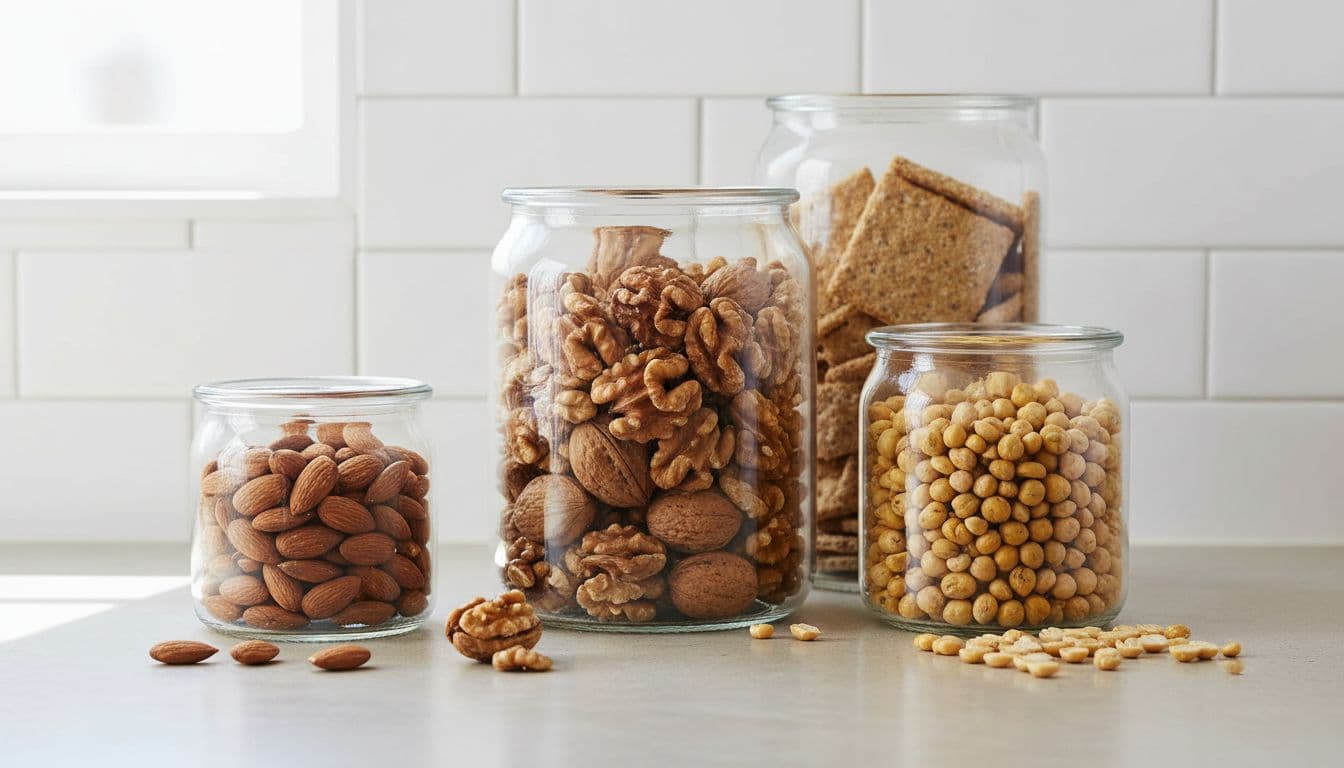
This quick guide can help on your next grocery run.
| Snack | What to look for | Why it helps |
|---|---|---|
| Unsalted nuts | Raw or dry-roasted, little or no salt | Good fats, some fiber, lasting crunch |
| Seeds | Pumpkin or sunflower seeds, plain or lightly salted | Healthy fats and minerals |
| Roasted chickpeas or edamame | Short ingredient list, moderate sodium | Fiber and protein in one bite |
| Air-popped popcorn | Air-popped or lightly seasoned | Whole-grain snack with volume |
| Whole-grain crackers or crispbread | Whole grain near the top, lower sodium | Easy base for nut butter or fish |
| Unsweetened dried or freeze-dried fruit | No added sugar | Fruit flavor that stores well |
| Tuna or salmon pouches | Lower-sodium options, water or olive oil packed | Protein, and in some cases omega-3 fats |
The strongest takeaway is this: simple snacks usually win.
Unsalted nuts are pantry workhorses. Almonds, walnuts, pistachios, pecans, and even peanuts are portable, satisfying, and easy to portion. They are excellent sources of monounsaturated fats and polyunsaturated fats, which are essential healthy fats for your cardiovascular system. If cholesterol is on your mind, these nuts to help lower cholesterol deserve a regular place in your routine.
Seeds pull their weight too. Pumpkin and sunflower seeds bring crunch and healthy fats, and they pair well with fruit or plain whole-grain crackers. Roasted chickpeas and dry-roasted edamame add a different texture, plus more fiber and protein than most crunchy snacks.
Popcorn is another quiet winner. Air-popped popcorn gives you a whole-grain option that feels generous without leaning on butter or cheese powder. Meanwhile, whole-grain crackers make a sturdy base for a convenient squeeze pack of nut butter or high-protein fish pouches.
Dried fruit needs more care. Unsweetened apricots, raisins, dates, or freeze-dried berries can fit, but portions matter because the sugars are concentrated. A small amount paired with nuts works better than eating a large bag on its own.
Even medical pros keep things simple. The mix of nuts, fruit, popcorn, and easy proteins shows up in cardiologists' favorite heart-smart snacks. That should tell you something. A strong snack doesn’t need a health halo. It needs good ingredients and a little staying power.
Read the label before the package sweet-talks you
Packaging can sound wholesome while the nutrition facts label tells a rougher story. Terms like “natural,” “multigrain,” and “made with real fruit” do not mean much on their own.
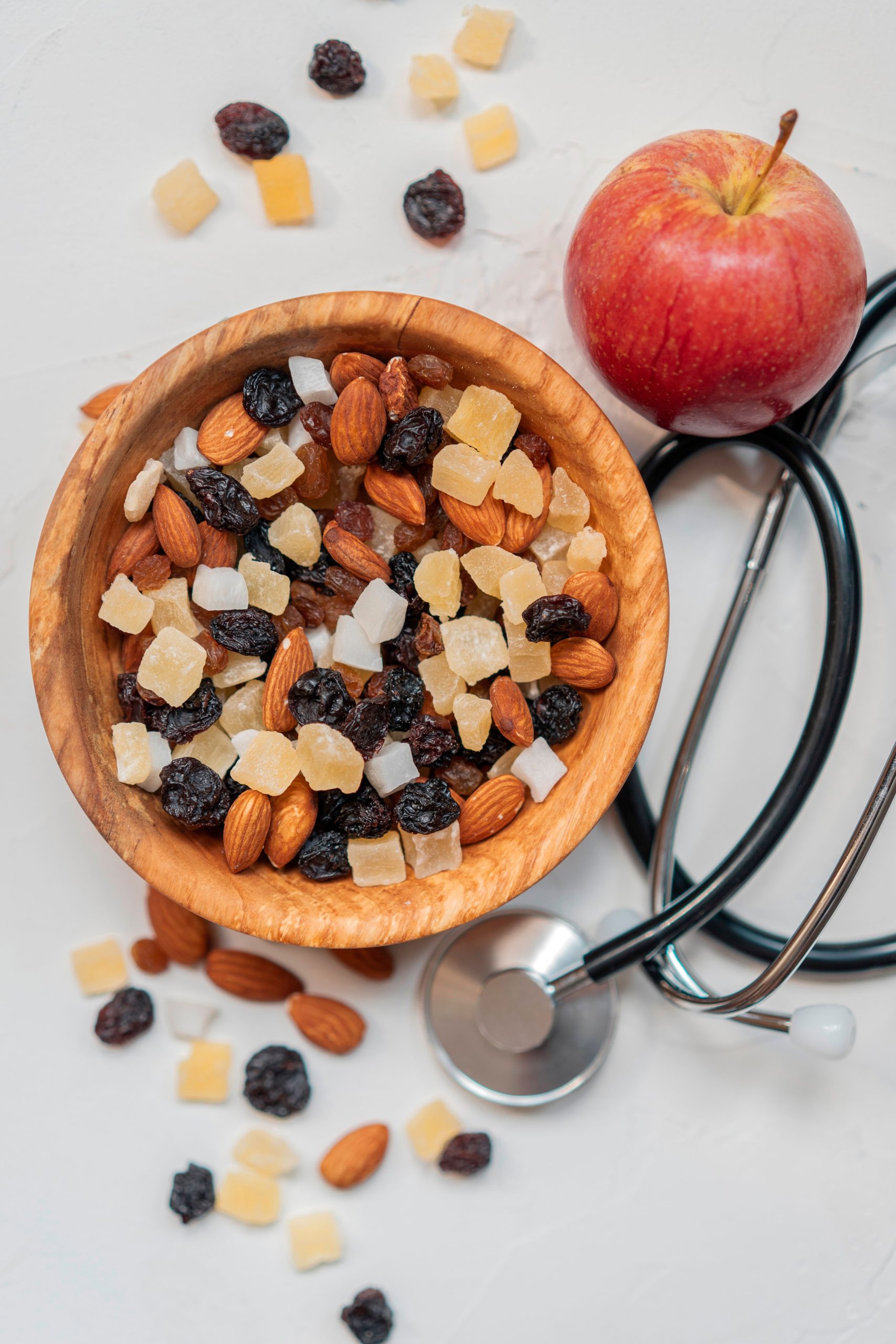
Photo by Atlantic Ambience
A few label checks cut through the fog:
- Aim for low sodium options, especially if you snack often. Around 140 milligrams per serving generally counts as low sodium.
- Watch out for added sugar, which can sneak into granola bars, flavored nuts, oatmeal cups, and dried fruit blends.
- Fat quality matters. Nuts and seeds provide beneficial unsaturated fats, whereas products heavy in saturated fat or hydrogenated oils are less helpful for heart health.
- Fiber and protein usually make a snack more satisfying, so you are less likely to keep grazing.
Serving size matters too. Many small bags hold two or three servings, and the math can turn ugly fast. A trail mix may look smart at first glance, then reveal candy pieces, yogurt drops, and a pile of salt.
This is where healthy nutrition becomes a reading skill. If the first few ingredients are white flour, sugar, syrup, or salty starch, the snack is probably wearing a healthy costume rather than being based on whole foods. For example, opting for freeze-dried berries is a great way to get nutrients without the spoilage of fresh options. For more realistic pantry fixes, these high-protein and fiber snack ideas show how to trade hollow crunch for food that keeps you full.
You can also compare your picks with Emerson Health's heart-healthy snack ideas. The overall pattern stays the same: less added sugar, less sodium, more fiber, and more real food.
Smart snack pairings for work, travel, and active days
Good snacks do more than quiet hunger. They buy you time, keep energy steady, and make poor last-minute choices less likely.
Healthy living, diet, and exercise belong together, especially when your calendar gets packed. If you care about sports and exercise for long life, you need food that travels well and does not leave you searching for a pastry an hour later.
Strategic pairing helps maintain your energy levels throughout the day. Nuts paired with unsweetened dried fruit provide a better balance than dried fruit alone. When you are at home, consider dipping raw vegetables into hummus or adding fresh fruit and a dash of cinnamon to a bowl of Greek yogurt. If you want to upgrade a quick whole-grain snack, adding avocado or a light drizzle of olive oil provides essential antioxidants and extra satiety. Remember that prioritizing protein is key for energy stability, so reach for whole-grain crackers with peanut butter or tuna to stay satisfied longer than you would with crackers by themselves. Even a plain oatmeal cup boosted with chia seeds is far better than a processed snack bar from a gas station.
Keep these pairings where life happens. Store almonds, roasted chickpeas, and crispbread at your desk. Toss pistachios and freeze-dried berries in your gym bag. Keep a tuna pouch and whole-grain crackers in the pantry for nights when dinner runs late.
These habits sound small because they are small. That is why they last. A heart-smart pantry does not ask for perfection. It gives you a softer landing on the days when plans slip, workouts run long, or errands pile up.
Frequently Asked Questions
Why should I care about shelf-stable snacks if I prefer fresh food?
Even if you prioritize fresh produce, shelf-stable snacks act as a vital safety net for busy days, travel, or unexpected schedule changes. Having reliable, heart-healthy options on hand prevents you from turning to high-sodium or sugar-laden vending machine snacks when your schedule gets packed.
How much sodium should I look for in a packaged snack?
A good rule of thumb is to aim for around 140 milligrams of sodium or less per serving. Always check the serving size on the label, as a single package may contain multiple servings that can quickly push your intake above your daily goal.
Is dried fruit actually healthy for my heart?
Dried fruit is a nutrient-dense option, but it can be high in concentrated sugar. Choose unsweetened varieties and stick to small portions, ideally pairing them with protein-rich foods like nuts to balance your blood sugar and prevent overeating.
Can I trust snacks labeled as “multigrain” or “natural”?
These terms are often marketing tactics that don’t guarantee health benefits. Always flip the package over to check the ingredient list; if the first few items are refined flour, sugar, or excessive salt, it is likely not the heart-healthy choice it claims to be.
Final thoughts
The best shelf-stable snacks for heart health are usually the least dramatic ones. Nuts, seeds, beans, popcorn, whole grains, and fruit with little added sugar do the job well.
Stock a few choices you enjoy, keep portions honest, and read labels with a critical eye. Your pantry makes daily votes for your long-term wellness, and those ordinary decisions add up over time. By consistently choosing heart healthy snacks, you can easily maintain your nutritional goals throughout the week.

0 Comments