By 2 p.m., the wrong lunch can feel like a sandbag tied to your day. A salty sandwich, a heavy takeout bowl, or a pastry that passed for lunch can leave you tired, thirsty, and hungry again before the last meeting.
A better midday meal doesn’t need to be fancy. The best heart-healthy lunch ideas for work are simple, portable, and filling, with enough fiber, protein, and color to keep your energy steady. Start with a smart structure, then repeat it in ways that still taste good on Thursday.
What a heart-friendly work lunch looks like
A work lunch should support a heart healthy diet, not fight it. That means more plants, less sodium, enough protein, and carbs that digest slowly instead of hitting like a wave and disappearing.
People trying to build a healthy food diet often focus on dinner, yet lunch shapes the whole afternoon. If noon is built on chips, white bread, and sugary drinks, your energy drops fast. If lunch includes beans, whole grains, vegetables, fruit, and a modest amount of healthy fat, the day feels smoother.
The American Heart Association’s lunch ideas for work echo the same pattern: lean protein, whole grains, fruits, vegetables, and lower-fat dairy when it fits. That same idea also lines up with this heart-healthy meal template, which makes lunch easier to build without counting every gram.
A simple formula keeps decisions easy:
| Part of lunch | Good options | Why it helps |
|---|---|---|
| Half the container | Leafy greens, cucumber, peppers, carrots, tomatoes, fruit | Adds fiber, volume, and potassium |
| Protein | Beans, lentils, tofu, salmon, chicken, Greek yogurt | Helps you stay full longer |
| Smart carb | Brown rice, quinoa, barley, whole-grain wrap, sweet potato | Gives steadier energy |
| Flavor and fat | Olive oil, avocado, tahini, nuts, seeds, lemon | Makes lunch satisfying |
The takeaway is simple. If your lunch has fiber, protein, plants, and a sensible amount of sodium, you’re already close to the mark.
A good work lunch shouldn’t feel like diet food. It should feel like lunch that happens to love your heart back.
Work lunches that hold up in the fridge
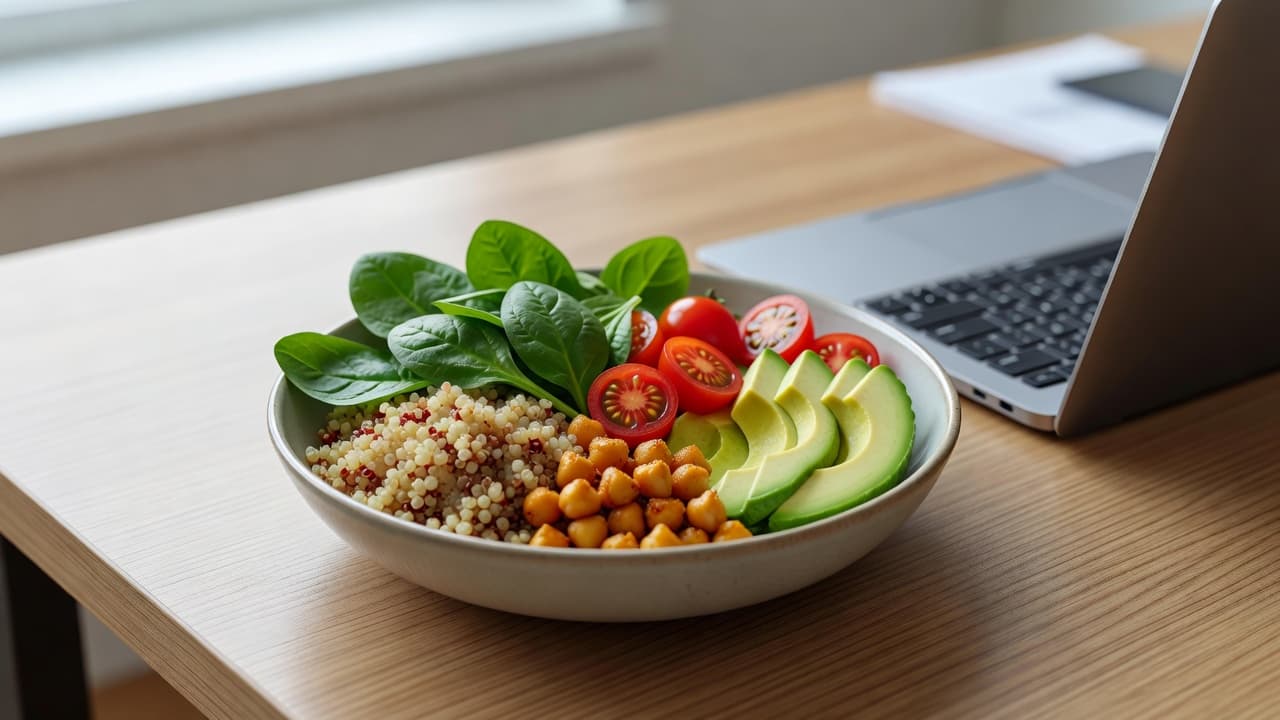
Quinoa bowl with chickpeas and avocado
This lunch is sturdy, bright, and easy to batch. Fill a container with quinoa, roasted chickpeas, spinach, cherry tomatoes, cucumber, and a few slices of avocado. Add lemon juice, olive oil, and black pepper right before eating.
It checks almost every box for healthy nutrition. You get fiber from the grains and legumes, healthy fat from avocado, and enough texture to keep the meal interesting.
Hummus and white bean wrap
A wrap works when you need one-handed food between meetings. Spread hummus on a whole-grain tortilla, then layer white beans, shredded carrots, red pepper, arugula, and a few pumpkin seeds for crunch.
This is healthy food that doesn’t wilt into sadness by noon. If you want more protein, add grilled chicken or baked tofu, but keep an eye on salty deli meat, which can push sodium high in a hurry.
Lentil soup with a crisp side salad
Soup is one of the easiest lunches to prep ahead, and lentil soup is a quiet workhorse. It reheats well, costs little, and brings fiber, protein, and minerals in one bowl. Pair it with a side salad dressed with olive oil and vinegar, or add a piece of fruit.
St. Vincent's healthy lunch ideas highlight lentils for good reason. They’re filling without feeling heavy, which matters when you still have half a workday left.
Salmon or tofu grain salad
Use leftover salmon, no-salt-added canned salmon, or baked tofu over farro or brown rice. Add chopped celery, herbs, cucumber, and a yogurt-dill or mustard-lemon dressing.
This lunch tastes good cold, which makes it useful for office days with no microwave. If you want more flavor ideas without falling into the usual mayo trap, EatingWell's lunch collection has plenty of pairings worth borrowing.
Smart preparation for busy weekdays
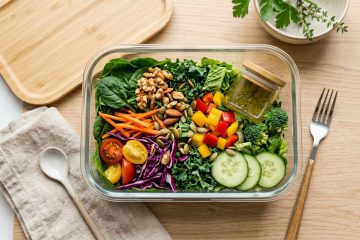
The easiest lunch to pack is the one that’s half-made already. Most people don’t need five full recipes. They need cooked grains, washed greens, a bean or protein option, chopped vegetables, and one good dressing in the fridge.
That simple habit turns lunch from a daily scramble into a quick assembly job. It’s also where nutrition to prevent illness becomes real life, not a slogan. A container of lentils and a bag of carrots may look plain, but they can save you from the vending machine at 3 p.m.
If you want a repeatable system, this fiber-rich meal planning guide is useful because it keeps lunch grounded in foods that support heart health and fullness.
A 45-minute prep session can cover most of the week:
- Cook one grain, such as brown rice, quinoa, or barley.
- Make one protein base, such as lentils, chickpeas, baked tofu, or shredded chicken.
- Chop two or three vegetables that stay crisp.
- Mix one simple dressing, such as olive oil with lemon, or yogurt with garlic.
Planned leftovers help, too. When dinner is grilled chicken, roasted vegetables, and brown rice, pack tomorrow’s lunch before you sit down to eat. That small move saves money, cuts sodium, and keeps your healthy food diet steady even on rushed mornings.
Common lunch traps that undo good intentions
Some lunches look wholesome and still miss the mark. A salad loaded with bacon bits, fried toppings, creamy dressing, and a sweetened drink can carry as much sodium and sugar as fast food.
Packaged soups can cause the same problem. So can wraps made with processed deli meat, cheese, and bottled sauce. The label “fresh” doesn’t mean much if the meal leaves you bloated and sleepy.
Another trap is eating too little. A tiny yogurt and a few crackers may sound light, but it often leads to a giant snack attack later. Most people do better when lunch includes enough protein and fiber to last four or five hours.
A little planning helps here. Keep a short list of heart-healthy pantry staples on hand, such as low-sodium beans, whole grains, nuts, canned fish, oats, and olive oil. Then lunch stops depending on whatever is closest to the office elevator.
A lunch can be low in calories and still be rough on your heart if sodium, sugar, and refined carbs do all the heavy lifting.
Why lunch matters for a longer, stronger life
The phrase healthy living diet and exercise sounds broad, but lunch is where it turns practical. Your midday meal affects afternoon energy, workout quality, evening appetite, and even whether you feel like taking a walk after work.
A steady lunch also fits the bigger goal of a healthy food diet that lasts for years. You don’t need perfection. You need repeatable meals that support blood pressure, cholesterol, and a healthy weight without making you feel deprived.
People who care about sports and exercise for long life often think first about breakfast or post-workout shakes. Yet lunch matters just as much. If you eat well at noon, you’ll have better fuel for a walk, a bike ride, the gym, or a long evening with the family.
That is the quiet strength of a good work lunch. It supports a heart healthy diet, backs up regular movement, and turns healthy choices into routine instead of effort.
Final thoughts
The best work lunches are not the prettiest ones on social media. They are the meals you can pack on a busy Tuesday, enjoy at your desk, and still feel good after eating.
If your lunch has plants, protein, fiber, and a sane amount of sodium, you’re on the right track. Consistency matters more than novelty, and your heart notices the meals you repeat.

0 Comments