Fast food can wreck a good day, but it doesn’t have to wreck your heart. If you’re stuck in a drive-thru line, heart-healthy fast food is less about luck and more about knowing what to spot.
A decent order usually hides in plain sight. You need lean protein, more plants, less salt-heavy extras, and a side that doesn’t come bubbling in oil. Start with that frame, and the menu gets easier.
What makes a fast-food meal better for your heart
A smarter order usually has three things: fiber, lean protein, and a reasonable portion. Those pieces help steady your appetite, so you don’t chase the meal with cookies or a second snack an hour later.
The trouble starts with the add-ons. Fried sides, creamy sauces, cheese piles, bacon, and sugary drinks can turn a fair meal into a salt-and-fat bomb. For most people, sodium and saturated fat are the biggest problems, especially when eating out often.
A drive-thru meal doesn’t need to look like a salad every time. A burger can fit a heart healthy diet if the rest of the order stays light. A taco meal can work if beans, salsa, and veggies do most of the lifting.
The best fast-food order is usually the one with protein, fiber, and the fewest surprise extras.
This quick table shows how a few simple swaps change the whole meal:
| Menu situation | Better order | Skip or cut back | Why it helps | | | | | | | Burger stop | Small hamburger, apple slices, water | Large fries, mayo-heavy sauces | Cuts sodium, saturated fat, and excess calories | | Sandwich shop | 6-inch whole-grain sub with lots of veggies | Footlong, extra cheese, chips | Keeps portions in check and adds fiber | | Taco chain | Bean or chicken tacos, fresco-style toppings | Sour cream, queso, giant combo | Adds flavor without heavy fat | | Bowl restaurant | Greens, beans, grilled protein, salsa | Double rice, creamy dressings | Balances carbs and keeps the meal filling |
That same pattern shows up in many healthier fast food tips. It’s also the reason a healthy food diet doesn’t fall apart because of one rushed lunch. One meal matters less than the habit you repeat.
The strongest picks on fast-food menus
Build-your-own spots often give you the best odds. Bowls, burrito bowls, salad bowls, and grain bowls let you shape the meal before the kitchen buries it in sauce.
At Chipotle or Cava, start with greens or a half-and-half base. Then add beans, grilled chicken or another lean protein, fajita vegetables, salsa, and a small scoop of rice if you want it. Brown rice helps, but beans do even more because they bring fiber and protein in one move. Guacamole can fit, too, if the rest of the bowl stays simple.
Taco shops can work the same way. Bean tacos, grilled chicken tacos, or fresco-style bowls are often better than a cheese-loaded burrito. Salsa, pico de gallo, lettuce, onions, and black beans add texture without much saturated fat. If you want a rule you can use anywhere, picture the blood pressure plate method: half vegetables, a quarter lean protein, and a quarter higher-fiber carbs.
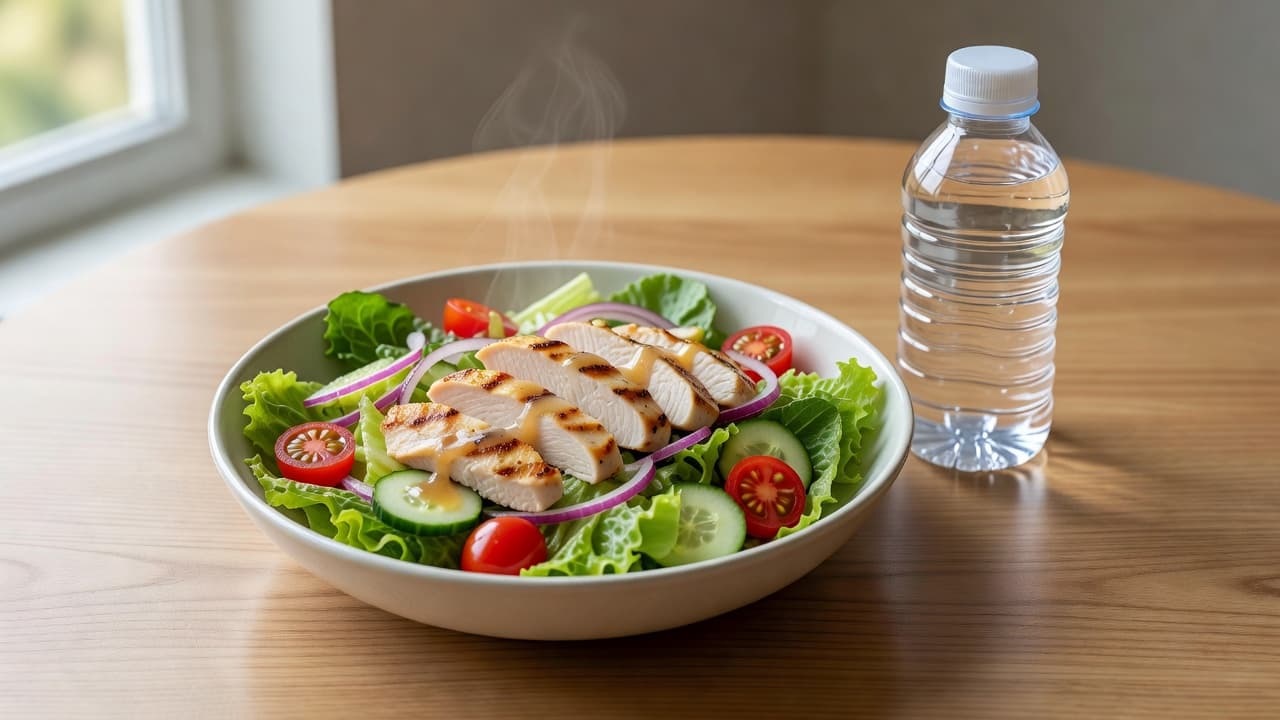
Sandwich chains also offer solid choices when you keep the size in check. A 6-inch whole-grain sub with lots of vegetables is easier on your heart than a footlong stacked with processed meat. Grilled chicken works well. A veggie sandwich can work, too, if you add enough protein somewhere else in the day.
Chicken chains are a mixed bag, yet there are bright spots. Grilled nuggets, an egg white sandwich, or a Greek yogurt parfait are lighter than breaded sandwiches and waffle fries. At burger places, a plain hamburger often beats a cheeseburger with special sauce. Even a plant-based burger can be useful if you skip the mayo, cheese, and extra toppings.
Current healthy fast-food roundups in 2026 keep circling back to the same winners: grilled chicken, veggie-heavy bowls, bean tacos, whole-grain sandwiches, and smaller breakfast sandwiches. The menu names change, but the pattern stays the same.
How good orders get ruined at the counter
A strong main item can still lose the fight once the extras pile up. Most damage happens in the combo meal, not the sandwich itself.
Fries are the obvious problem, yet sauces are sneaky. Ranch, creamy chipotle, mayo, special sauce, and sweet glazes add a lot of sodium, sugar, or fat in a few quick squeezes. Ask for sauce on the side, then use less than you think you need.
Portion size matters more than people like to admit. A 6-inch sub, kids’ bowl, or single taco order often feels small on paper, but it may fit your day far better than the jumbo meal. The same point shows up in this short fast food for a healthy heart guide, which stresses smaller portions and skipping extras.
These swaps do the most work:
- Pick water, sparkling water, or unsweetened tea instead of soda.
- Choose grilled meat over fried whenever the chain offers both.
- Replace fries with fruit, a side salad, or no side at all.
- Keep cheese, bacon, and creamy dressings from becoming default add-ons.
- Order the smaller size first, then add something later only if you’re still hungry.
That approach protects more than your waistline. It supports healthy nutrition, steadier energy, and fewer blood sugar swings after the meal. If you care about training, weekend hikes, or sports and exercise for long life, that matters. A greasy lunch can feel like a sandbag tied to your afternoon.
Fast food also becomes easier when your home routine is strong. If you already know your guide to heart-healthy eating, one restaurant meal won’t knock you off course. It becomes a detour, not a new road.
How fast food fits a longer-life mindset
Most people don’t need perfect meals. They need meals they can repeat without harm. That’s why heart-smart ordering works best as part of a bigger pattern, not as a one-time rescue.
If breakfast was low in fiber, make dinner higher in beans, oats, lentils, fruit, or vegetables. If lunch came from a drive-thru, let supper look more like healthy food from your own kitchen. That kind of balance is how a healthy food diet stays steady in real life.
Long-term heart care also asks for movement. Healthy living, diet and exercise belong in the same sentence because they support the same goal: better blood pressure, stronger blood vessels, and a lower risk of disease over time. Even a brisk walk after dinner helps.
This is where “nutrition to prevent illness” stops sounding like a slogan and starts looking practical. It means choosing the grilled wrap over the fried combo, then walking later, sleeping well, and doing it again tomorrow. If you want a simple way to offset restaurant meals during the week, a high-fiber meal plan for heart health can help fill the gaps.
Fast food will never beat a home-cooked bowl of beans, greens, olive oil, and roasted vegetables. Still, it doesn’t need to be the villain in your story. Used well, it can fit a heart healthy diet without stealing the progress you’ve built.
The order you repeat matters most
A drive-thru meal doesn’t decide your future. Your pattern does.
Choose meals with protein, fiber, and fewer heavy extras, and fast food becomes easier to manage. That’s how healthy nutrition works in the real world, one ordinary order at a time.

0 Comments