A good dinner can go sideways in one pour. Chicken, rice, and vegetables look wholesome, then a salty bottled sauce lands on top and steals the whole plate.
If you want low-sodium sauces that fit real life, you don’t need chef skills or a long prep list. You need a few flavor builders that work fast, taste bright, and keep healthy food from turning bland by Wednesday. That’s where the weeknight win starts.
Why the sauce bottle deserves a closer look
Most people don’t over-salt dinner at the stove. They do it at the table, or with the bottle they open right before eating. Soy sauce, teriyaki, bottled marinades, and creamy dressings can pile on sodium in a few spoonfuls.
The American Heart Association’s guide to healthier condiments points out that some condiments bring a heavy sodium load in a small serving. That matters because sauces spread everywhere. They coat grains, cling to vegetables, and soak into protein.
For a heart healthy diet, sauce is not a side issue. It’s often the loudest ingredient on the plate. A healthy food diet can still feel rich and satisfying, but the flavor has to come from more than salt.
The fastest way to cut sodium at dinner is often to change the sauce, not the main dish.
This shift also fits a bigger routine. A healthy living diet and exercise plan works better when dinner supports it instead of fighting it. People who care about sports and exercise for long life often track protein, fiber, and steps. Yet the sauce bottle in the fridge can still undo a lot of smart choices.
Salt matters for heart health, and the Heart Foundation's advice on salt and heart health explains why lowering it can help support blood pressure goals. If you’re already building meals around vegetables, beans, fish, or lean chicken, a simple sauce makes that work easier to repeat.
That same idea shows up in this heart-healthy blood pressure plate guide. Strong flavor doesn’t have to come from heavy sodium. In fact, when the plate is balanced, a bright sauce can wake everything up without much salt at all.
What gives low-sodium sauces real flavor
The secret isn’t a secret. Good low-sodium sauces lean on acid, aromatics, herbs, spice, and a little creaminess or sweetness. When those pieces work together, you miss the salt a lot less.
Lemon juice, lime juice, and vinegar sharpen flavor in seconds. Garlic, onion, and ginger add depth. Fresh herbs soften the sharp edges and make the sauce smell alive. Then a spoon of Greek yogurt, olive oil, nut butter, or mashed beans gives the sauce body.
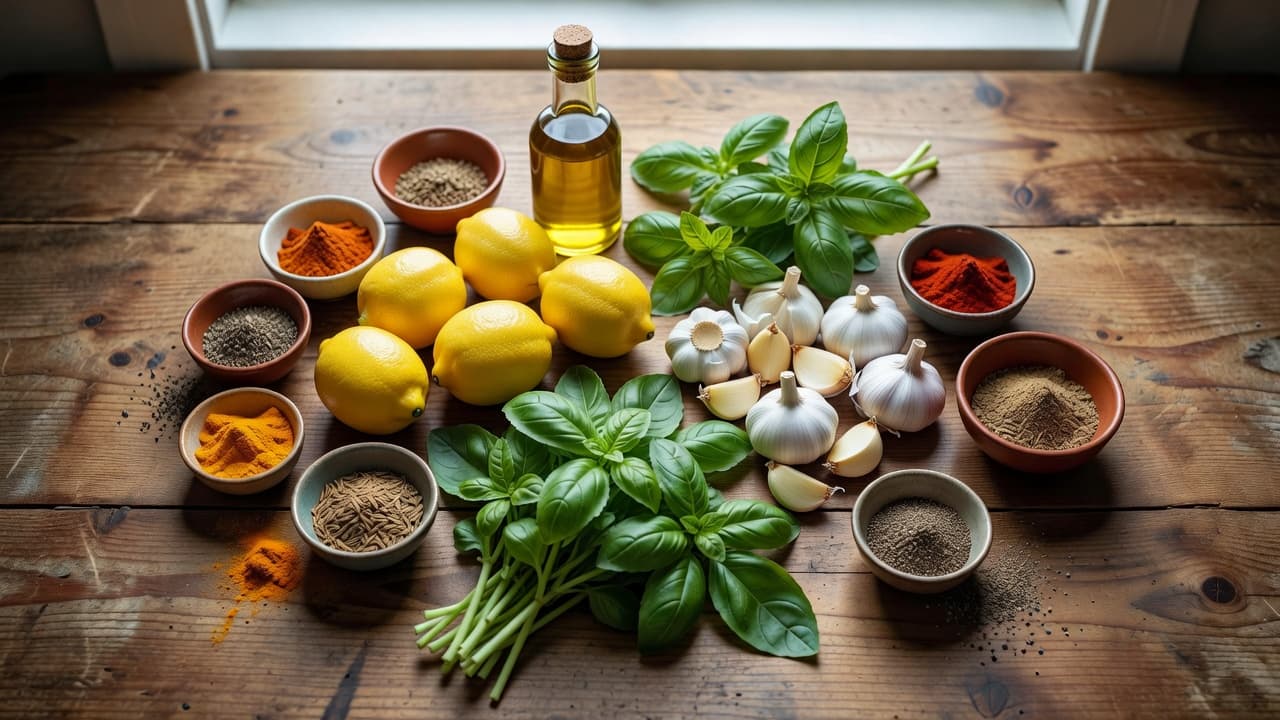
The Sharp Health advice on alternatives to sodium highlights the same pattern: herbs, spices, citrus, garlic, and salt-free blends give food lift without leaning on the shaker. That’s good news on a busy night because these ingredients are fast. They don’t ask for long simmering or fancy technique.
This quick guide makes the pattern easier to see:
| Flavor builder | What it adds | Best with |
|---|---|---|
| Lemon, lime, or vinegar | Brightness and balance | Fish, chicken, roasted vegetables |
| Garlic, onion, or ginger | Savory depth | Stir-fries, grain bowls, tofu |
| Basil, dill, parsley, or cilantro | Fresh finish | Yogurt sauces, tomato sauces, dressings |
| Greek yogurt or pureed beans | Creaminess without much sodium | Wraps, bowls, sandwiches |
| Nut butter or fruit | Richness or gentle sweetness | Noodles, pork, tofu, salmon |
The table tells a simple story. Build around one strong acid, one aromatic, and one finishing note. Then taste before adding salt.
This approach also supports healthy nutrition in a practical way. You cook once, season smart, and keep dinner lively. Over time, that becomes nutrition to prevent illness, not because one sauce is magic, but because the meals you repeat shape your health.
Five fast sauces worth repeating on weeknights
A good weeknight sauce should take about as long as reheating rice. These five keep that promise, and each one works with more than one meal.
- Stir together lemon juice, olive oil, grated garlic, black pepper, and chopped parsley for a quick herb sauce. Spoon it over chicken, salmon, shrimp, or white beans.
- Simmer no-salt-added tomatoes with onion, garlic, and basil for a fast red sauce. Toss it with pasta, ladle it over turkey meatballs, or use it for stuffed peppers.
- Mix Greek yogurt, lemon, dill, and garlic for a cool sauce with tang. It turns roasted potatoes, grilled fish, or chickpea bowls into something that feels finished.
- Whisk natural peanut or almond butter with warm water, lime juice, ginger, and a touch of honey. That sauce loves noodles, tofu, slaw, and leftover chicken.
- Cook frozen or fresh fruit with chili flakes and a splash of vinegar for a quick glaze. Blueberry, peach, or mango all work well with pork tenderloin, tofu, or grilled chicken.
Each sauce solves the same weeknight problem in a different way. The lemon-herb option cuts through rich foods. Tomato basil gives you comfort without a jar full of sodium. Yogurt sauce cools spicy meals and adds protein. Nut sauce sticks to noodles and vegetables, which helps healthy food feel more satisfying. Fruit glaze brings sweetness without a syrupy bottled finish.
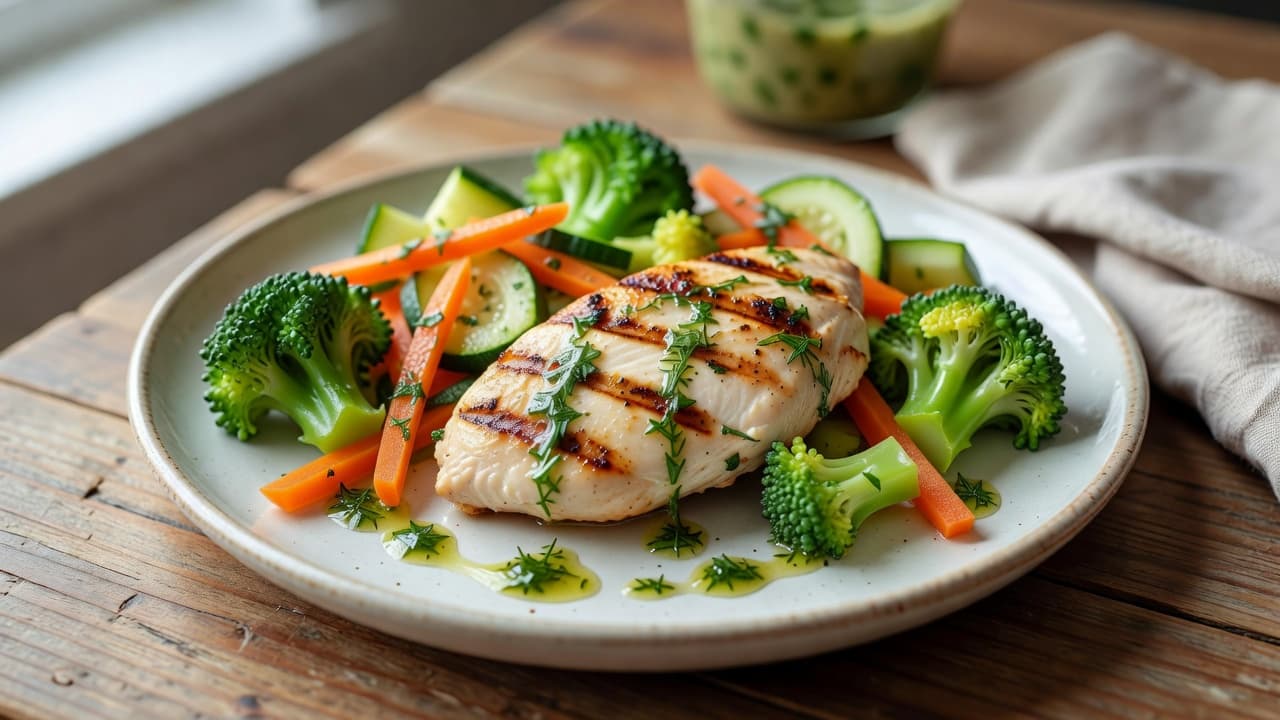
These sauces also stretch into lunch. Leftover yogurt dill sauce works beautifully in a wrap, and a thick bean or tomato spread fits the ideas in these heart-healthy work lunch ideas. If you’re packing tomorrow’s meal while cleaning up tonight’s pan, you’ve already made the next good choice easier.
That matters because a healthy food diet shouldn’t feel like a string of separate chores. Dinner, lunch, and snacks connect. One simple sauce can tie them together.
Smart ways to shop, taste, and store sauce without losing time
When you buy bottled sauce, the label deserves a hard look. “Reduced sodium” can still mean a lot of sodium. Check the serving size first, then the sodium per serving, and remember that most people pour more than one tablespoon.
The Denver Health overview of low-sodium diet benefits explains why this matters beyond one meal. Lowering sodium can support heart health and other long-term goals. If your dinner routine already includes vegetables, whole grains, and lean protein, sauce is an easy place to keep moving in the right direction.
At home, keep a small “flavor shelf” ready. Stock lemons, garlic, dried chili flakes, vinegar, olive oil, Greek yogurt, no-salt-added tomatoes, and one nut butter. With those on hand, you can build most weeknight sauces in minutes.
Taste in layers. First, add acid. Next, add garlic or onion. Then try herbs or spice. If the sauce tastes sharp, a little honey or fruit can round it out. Salt may still have a place, but it becomes the background note instead of the lead singer.
Storage helps, too. Make a double batch when you have the cutting board out. Herb sauces and yogurt sauces are handy for the next few days, while tomato sauce freezes well in small portions. Ice cube trays work nicely because you can thaw only what you need.
If sandwiches are part of your week, these sauces beat many deli spreads. A spoon of yogurt herb sauce or mashed bean spread fits right into this guide to building a heart-healthy sandwich. Good sauces don’t have to stay in the dinner lane.
The weeknight shortcut worth keeping
A salty bottle can flatten a healthy dinner before the first bite. A fresh sauce built on lemon, garlic, herbs, yogurt, tomatoes, or nut butter does the opposite.
That’s why low-sodium sauces are such a useful habit. They support a heart healthy diet, make healthy nutrition easier to enjoy, and help a plate of healthy food feel generous instead of strict.
Keep a few strong basics in your kitchen, and weeknight meals start tasting less like compromise and more like something you’ll want again tomorrow.

0 Comments