A sandwich can help your heart, or quietly load lunch with salt, refined carbs, and saturated fat. The difference often comes down to a few choices you make in under five minutes.
If you want a heart-healthy sandwich, start with the parts you use every time: bread, protein, spread, and produce. Get those right, and lunch turns into healthy food that supports energy, blood pressure, and the kind of routine you can keep.
Start with bread, protein, and spread
The best sandwich for heart health starts with bread that adds something useful. White bread tends to digest fast and offers little fiber. Whole-grain bread, seeded rye, sprouted grain slices, or a high-fiber wrap give the meal more staying power.
Labels matter here. Some loaves look dark and rustic but still rely on refined flour. Check that whole grain is listed first, and watch sodium too. Bread can carry more salt than people expect, especially when the rest of the filling is salty as well.
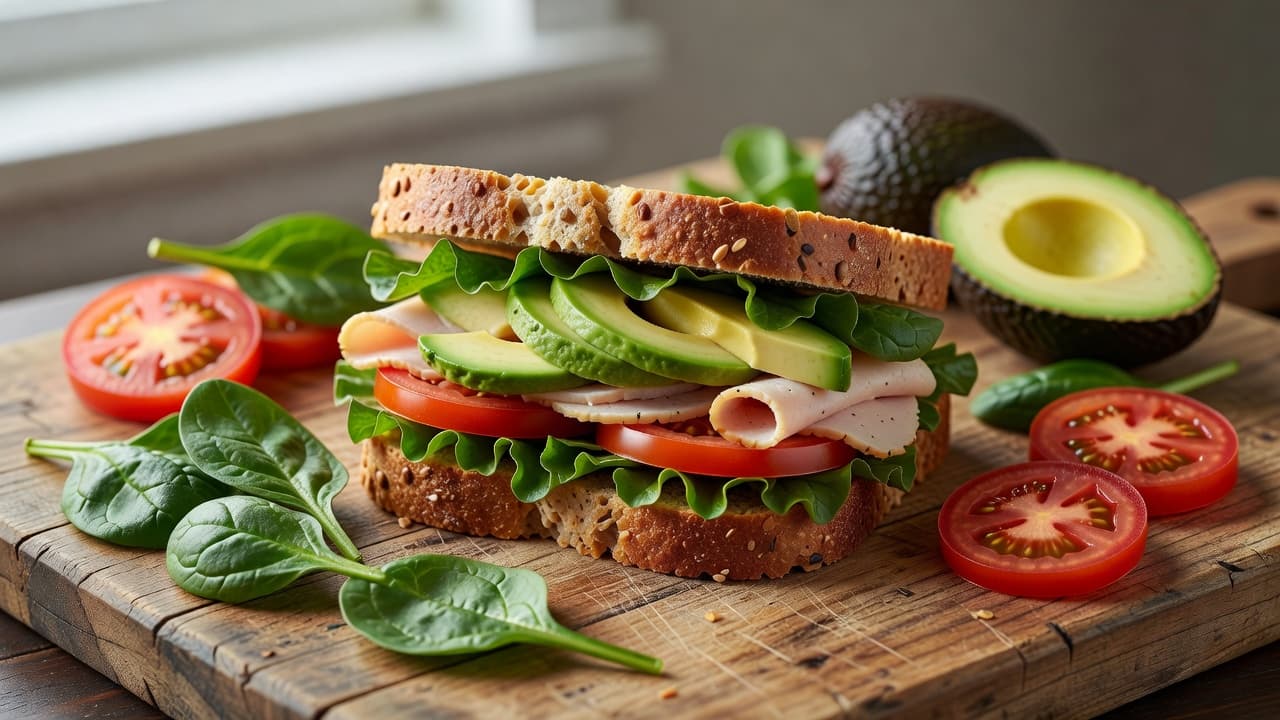
Next comes protein. Lean turkey, chicken breast, low-sodium tuna, salmon, hummus, mashed beans, edamame spread, and baked tofu all work well. They help you stay full without the heavy saturated fat that often comes with bacon, salami, and oversized cheese layers.
Spreads deserve more attention than they get. A thin layer of avocado, hummus, mustard, or plain Greek yogurt mixed with herbs can add flavor without turning the sandwich greasy. That is healthy nutrition in its most practical form, because every layer earns its place.
This simple swap chart keeps the build easy.
| Sandwich part | Better choice | Why it helps |
|---|---|---|
| Bread | 100% whole-grain bread | Adds fiber and keeps you full longer |
| Protein | Chicken, turkey, beans, tofu, tuna | Cuts back on saturated fat |
| Spread | Hummus, avocado, mustard, yogurt-herb mix | Adds flavor with less heaviness |
| Cheese | Thin slice or none | Reduces sodium and saturated fat |
If you love cheese, use it like seasoning, not insulation. A thin slice of sharp cheddar, Swiss, or provolone often gives enough flavor. The rest of the sandwich can do the lifting. Those same patterns show up in this heart-healthy foods guide, where fiber, smart fats, and less-processed foods stay at the center.
Pile on produce and use fats that help, not crowd
A great sandwich should feel abundant, not bare. Vegetables are how you get there. Spinach, arugula, tomato, cucumber, red onion, shredded carrot, cabbage slaw, bell pepper, and sprouts add crunch, water, and volume for very few calories.
That extra bulk does more than make the sandwich prettier. It can help you eat less processed meat, less cheese, and fewer salty extras without feeling deprived. In other words, the vegetables create the space that heart-healthier ingredients need.
Avocado works well because it adds creaminess and mostly unsaturated fat. A few slices are enough. Olive tapenade, tahini, or a light drizzle of olive oil can do the same job. When fat is balanced, the sandwich tastes rich without becoming heavy.
Flavor matters because bland meals don’t last. Roasted peppers add sweetness. Pickled onions add sharpness. Fresh herbs make tuna, chicken, or beans taste brighter. For more topping ideas, Everyday Health's sandwich dos and don'ts offers useful ideas for building flavor while keeping the meal lighter.
A healthy food diet doesn’t fall apart because lunch is hand-held. In fact, sandwiches make healthy food easier on busy days, because you can prep ingredients once and use them for several meals. Washed greens, sliced cucumbers, roasted vegetables, and a container of cooked protein turn a rushed weekday into a better lunch.
Fiber deserves one more mention. When you add vegetables, beans, and whole grains, a sandwich becomes one small part of a larger pattern that supports digestion and heart health. If you want more of that rhythm through the week, this high-fiber meal plan for heart health pairs naturally with the same ingredients.
Cut sodium before it takes over the meal
Most sandwiches do not miss the mark because of bread alone. The trouble usually comes from layers of salt. Deli meat, cheese, bread, bottled dressing, flavored mayo, olives, pickles, and chips on the side can pile up fast.
In a heart healthy diet, sodium often causes as much trouble as saturated fat. It can push blood pressure higher and make an otherwise decent lunch less helpful. That is why one salty ingredient may be fine, while four in the same sandwich become a problem.
Mayo Clinic's tips for a heart-healthy sandwich make a smart point: what you pack beside the sandwich matters too. Fruit, yogurt, or cut vegetables can balance the meal far better than chips or a salty packaged side.
If bread, meat, cheese, and sauce are all salty, one sandwich can carry more sodium than you expect.
You don’t need a dry sandwich to fix this. Start by choosing home-cooked chicken, turkey, or canned fish packed in water with less added salt. Use mustard, yogurt-herb spread, or hummus instead of heavy bottled dressings. When you use cheese, keep the slice thin. When you use deli meat, make it a modest layer and let vegetables take up more space.
Portion size matters too. A sandwich stuffed with processed meat can look satisfying, but it often tastes one-note. More greens, tomato, slaw, or roasted vegetables create better texture and better balance. A heart-healthy sandwich should feel fresh, not weighed down.
These small changes are not fussy rules. They are nutrition to prevent illness in daily life, the kind that helps because it repeats. They also make the sandwich fit a heart healthy diet without making lunch feel like homework.
Build a lunch routine you can repeat
The best sandwich plan is the one you can make on a tired Tuesday. Keep one whole-grain bread, two lean proteins, a flavorful spread, and a few ready vegetables in the fridge each week. That small system cuts decision fatigue and makes better choices almost automatic.
Three combinations work well because they are easy, satisfying, and balanced:
- Turkey, avocado, tomato, spinach, and mustard on whole-grain bread.
- Hummus, cucumber, roasted red pepper, shredded carrot, and sprouts in a whole-wheat wrap.
- Salmon or tuna mixed with Greek yogurt, celery, dill, and lettuce on seeded rye.
Each one gives you protein, fiber, and moisture without leaning too hard on cheese or mayo. If you prefer hot sandwiches, grilled mushrooms, onions, and peppers can bring the same heart-smart balance. Cold or warm, the principle stays the same.
Sides matter because they complete the meal. Pair your sandwich with an apple, baby carrots, bean salad, or a few unsalted nuts. The same balance in this blood pressure plate guide works well at lunch, even when one hand is holding bread.
For many people, healthy living diet and exercise become easier when lunch is planned instead of improvised. You make fewer last-minute choices, and your afternoon energy feels steadier. The same mindset behind sports and exercise for long life belongs at the lunch table too, because fuel shapes how you move, recover, and feel.
A sandwich won’t do all the work on its own. Still, it can support a broader pattern of healthy nutrition, better movement, and fewer processed extras. That makes it more than a quick meal. It becomes part of a routine that lasts.
A Better Sandwich, Bite by Bite
A heart-healthy sandwich doesn’t need rare ingredients or strict rules. It needs fiber-rich bread, a lean or plant-based protein, plenty of produce, and spreads that add flavor without drowning the meal in salt or saturated fat.
Build lunch this way often enough, and the change stops feeling like effort. It becomes healthy food you look forward to, and a steady part of the habits that protect your heart over time.



0 Comments