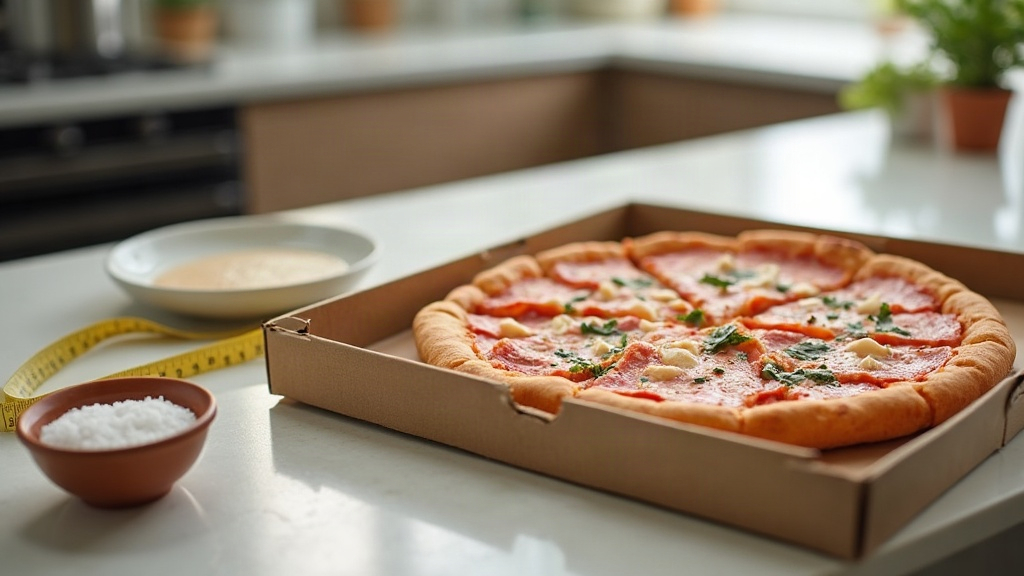
The number that matters isn’t the per-slice sodium figure printed on the box. It’s what you actually eat in one sitting. A personal frozen pizza you finish in one meal should land under 1,500 mg of sodium total, or under 500 mg per third if you’re splitting it three ways. Most frozen pizza boxes list sodium per slice, not per pizza. That single choice hides how much sodium a real meal delivers.
Why the Per-Serving Label Misleads You
Frozen pizza labels follow FDA serving-size rules. Those rules don’t match how people eat. A personal 7-inch pizza often lists two or three servings per box. Few people split a personal pizza three ways. Most eat the whole thing.
So a label that reads “390 mg sodium per serving” can mean over 1,100 mg once you finish the pie. That’s nearly half of the 2,300 mg daily sodium limit most healthy adults are advised to stay under, and close to the full 1,500 mg ceiling often suggested for people managing high blood pressure. If you’re building meals around the broader guidance in our low-sodium eating hub, frozen pizza is one of the easiest places for that math to go wrong.
The Decision Rule: Count the Whole Pizza, Not the Slice
Here’s the fix. Before you buy, do one quick multiplication: sodium per serving × servings per container. Compare that total to how much of the pizza you’ll realistically eat. Use this simple rule:
- If you eat a third of the pizza: look for 500 mg of sodium or less for that portion.
- If you eat the whole personal pizza as one meal: look for 1,500 mg or less total.
- If you’re on a tighter plan with a per-meal sodium ceiling around 600 mg, treat frozen pizza as an occasional meal rather than a weekly staple.
The table below shows how this plays out with typical label patterns. These are illustrative figures to show the math, not claims about any specific brand — always check your own box.
| Pizza type | Servings on label | Sodium per serving | Sodium if you eat the whole pizza | Verdict |
|---|---|---|---|---|
| 7-in personal, thin crust | 2 | 480 mg | 960 mg | Fits the whole-pizza rule |
| 7-in personal, stuffed crust | 3 | 390 mg | 1,170 mg | Fits, but close to the ceiling |
| Medium, regular crust | 4 | 510 mg | 2,040 mg | Exceeds the rule; share it |
| Large, loaded with toppings | 5 | 450 mg | 2,250 mg | Exceeds the rule even shared two ways |
Notice something: a pizza with a lower per-serving number can still land higher as a whole pie, simply because the box lists more servings. Don’t trust the front-of-box claim. Do the multiplication yourself.
What a Low-Sodium Label Actually Means
Under FDA labeling rules, “low sodium” means 140 mg or less per serving. “Very low sodium” means 35 mg or less. “Reduced sodium” just means at least 25% less than the regular version of that same product — which can still be high in absolute terms. You can read the FDA’s own explanation of these terms on fda.gov.
Almost no frozen pizza, even a good one, hits the official “low sodium” bar per serving. That’s fine. The goal isn’t finding a technically “low sodium” pizza. It’s finding one that keeps your real portion under the thresholds in the table above.
Where the Sodium Actually Hides
Three places drive most of the sodium in frozen pizza: the crust, the cheese, and the toppings.
- Crust: thin crust usually means less dough, and less dough means less salt. Stuffed and pan crusts tend to run higher.
- Cheese: standard mozzarella and cheese blends are naturally salty. Some brands now use reduced-sodium cheese; our guide to low-sodium cheese explains what to look for on dairy labels generally.
- Toppings: pepperoni, bacon, sausage, and olives are the biggest sodium multipliers on any pizza. A plain cheese or vegetable pizza almost always beats a meat-loaded one.
The sauce matters too, though less than you’d expect. Jarred pasta sauces can be surprisingly salty, and the same logic applies to pizza sauce baked into a frozen pie. If you’re curious how sneaky sodium shows up in foods marketed as healthy, our piece on hidden sodium in healthy foods covers similar traps.
Reading the Ingredient List, Not Just the Panel
Two pizzas with similar sodium numbers can still differ in overall quality. Scan the ingredient list for these signals:
- Shorter ingredient lists generally mean fewer sodium-heavy additives like sodium phosphate or sodium caseinate.
- Whole-grain or whole-wheat crust options add fiber without adding sodium.
- Vegetable toppings (mushroom, spinach, bell pepper, onion) add volume and nutrients without the sodium load that cured meats carry.
None of this replaces checking the actual sodium number. It just helps you choose between two pizzas that land in a similar range.
Building the Rest of the Meal Around It
Frozen pizza doesn’t have to be the whole meal. Pairing a smaller pizza portion with a side salad or steamed vegetables stretches the meal and lowers the average sodium per bite. A side of leafy greens or a quick vegetable toss also nudges your potassium intake up, which matters because the balance between sodium and potassium — not just sodium alone — is tied to blood pressure. Our guide to the sodium-to-potassium ratio walks through why that balance counts.
If frozen pizza is a regular part of your week, it’s worth comparing it against other frozen options. Our roundup of low-sodium frozen meals looks at entrées beyond pizza that may fit a tighter sodium budget more easily. And if you’re trying to structure sodium across a full day rather than one meal, the DASH diet meal plan gives a framework for spacing out higher-sodium meals against lower-sodium ones.
When to Just Skip the Box
Some situations call for passing on frozen pizza entirely, at least that night. If you’ve already had a sodium-heavy breakfast or lunch, a 1,500 mg pizza dinner can push you well past the 2,300 mg daily limit, let alone the 1,500 mg target used for high blood pressure. About 70% of sodium in a typical American diet comes from packaged and restaurant food, according to the American Heart Association, which is worth remembering before adding another packaged meal to the day. You can read more of their sodium guidance at heart.org.
On those days, a quick homemade option — flatbread, low-sodium tortilla, or even toast with cheese and vegetables — can fill the same craving for less sodium. It won’t always be realistic. That’s fine. The goal is awareness, not perfection.
A Quick Shopping Checklist
- Multiply sodium per serving by servings per pizza before comparing boxes.
- Favor thin or whole-grain crust over stuffed or pan crust.
- Choose vegetable toppings over cured meats when sodium is a concern.
- Check for reduced-sodium cheese blends where available.
- Pair the meal with vegetables or salad to balance the plate.
For a broader list of foods that support heart health alongside the occasional frozen pizza night, our heart-healthy foods hub is a good next stop.
Living Healthy Advice publishes general educational information, not medical advice. Talk with your doctor or a registered dietitian before making significant changes to your diet, especially if you have a heart condition, high blood pressure, kidney disease, or take prescription medication.